Qutub Minar
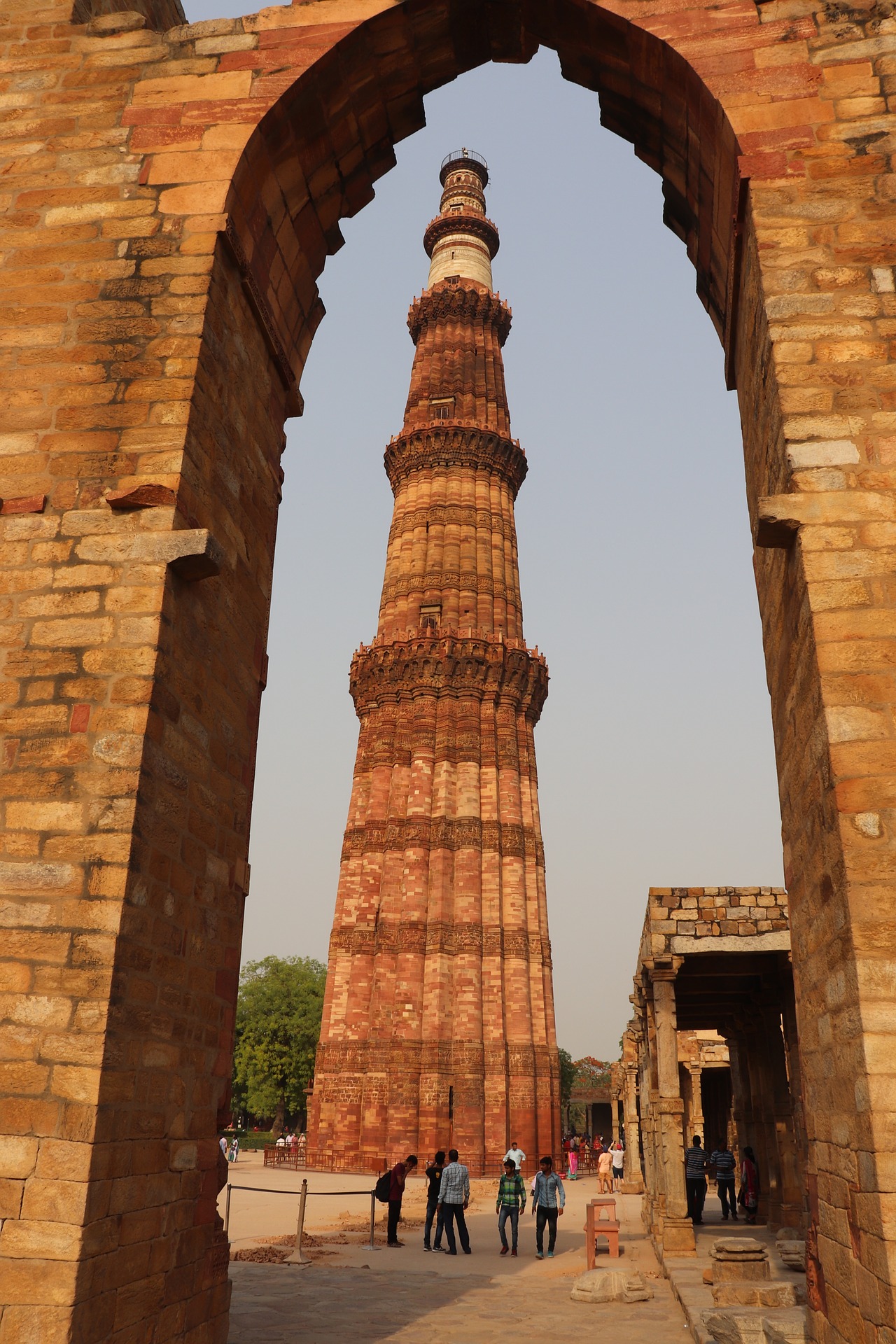
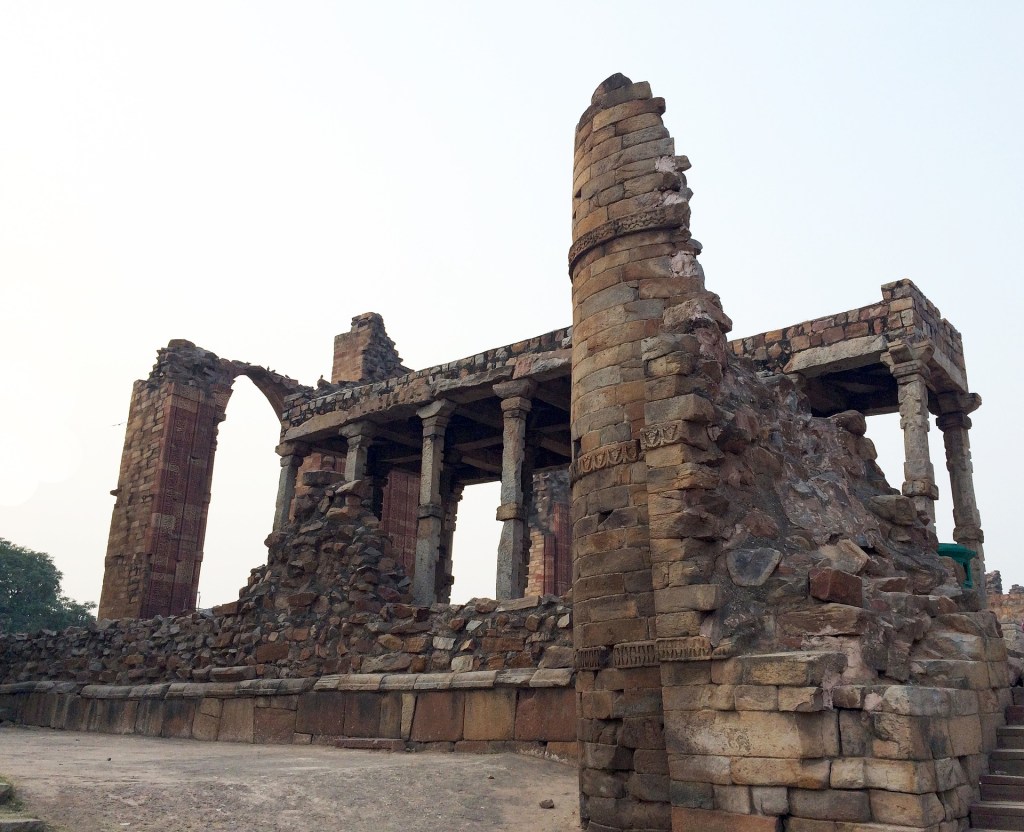
The taking off and bold pinnacle that appeals sightseers in spite of being obliterated by attacks of characteristic apocalypses a few times, Qutub Minar is the tallest individual pinnacle on the planet and second tallest landmark of Delhi. An UNESCO World Heritage Site, it is situated in Mehrauli and its development was begun in 1192 by Qutb Ud-Din-Aibak, author of Delhi Sultanate. Afterward, the pinnacle was worked by different leaders throughout the hundreds of years. Seeing this wonderful landmark returns you to the rich history of India.
The amazing design which incorporates faultless carvings will depart you charmed. Other than Qutub Minar, the Qutub Complex has numerous other old structures to offer you like Iron Pillar and the Alai Darwaza. As you meander around, the spot will without a doubt propel you to submerge further into India’s past and respect the vintage engineering. The design devotees will never have enough of Qutub Minar. It has become a most loved cookout spot for Delhiites where they simply unwind with the Minar in the setting. Likewise, the lavish Qutub Festival which boasts about the magnificence of the pinnacle is a significant fascination for sightseers. Along these lines, live the renowned history of India with Qutub Minar and other various landmarks raised at one spot.
Delhi Overview,Jama Masjid
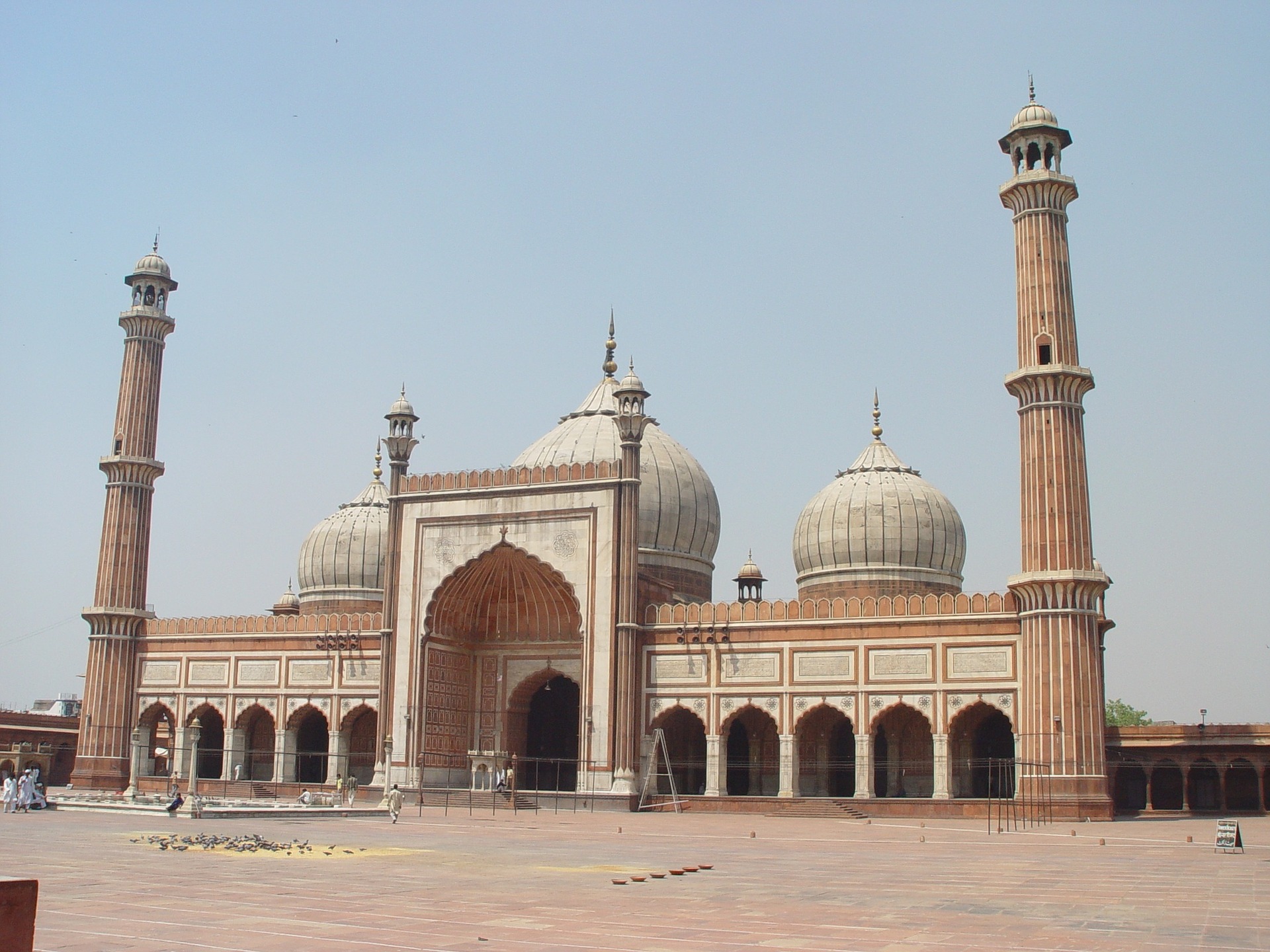
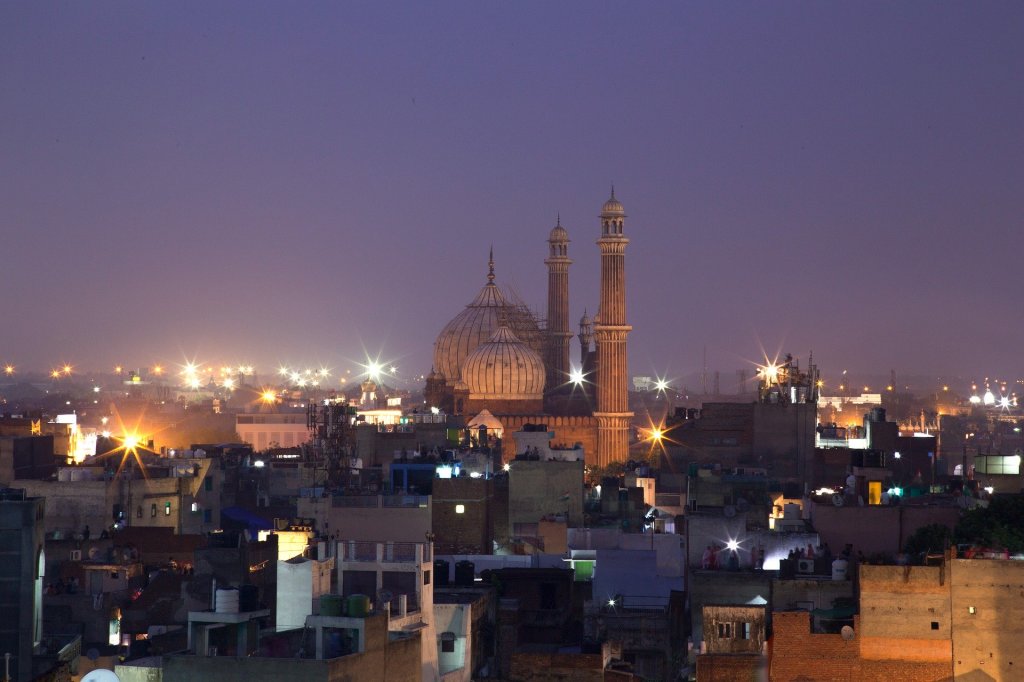
In the midst of the surge and bedlam of Central Delhi, lies the harmony and serenity of the biggest mosque in the nation. The ‘Masjid-I Jahan-Numa’ or Jama Masjid as it is more generally known, signifies “World Reflecting Mosque.” It was the remainder of Shah Jahan’s great assortment of building endeavors, after the Taj Mahal and the Red Fort. The mosque has a large number of pioneers every year on the sacred event of Eid to offer extraordinary Namaz in the first part of the day. With a limit of twenty-5,000 individuals in the yard, Jama Masjid is apparently the biggest mosque in the nation. Lamentably, non-Muslims are not permitted inside the Masjid during Namaz contributions. Nighttimes are dreamlike when the means prompting the mosque are loaded up with nourishment and book slows down.
Jama Masjid is arranged in the more established piece of Delhi, presently called Chandni Chowk and encompassed by wonderful Mughal structures. It took a colossal development cost of one million rupees at the time, 5,000 specialists and six years (1650-1656) to finish. The virtue of warm greeting can be felt here. To arrive at the passage one needs to climb 121 stages. The monstrous focal vault is an exceptional case of Islamic engineering. J Sadaullah Khan who was the Wazir (PM) during Shah Jahan’s standard directed the development of the mosque.
Humayun’s Tomb
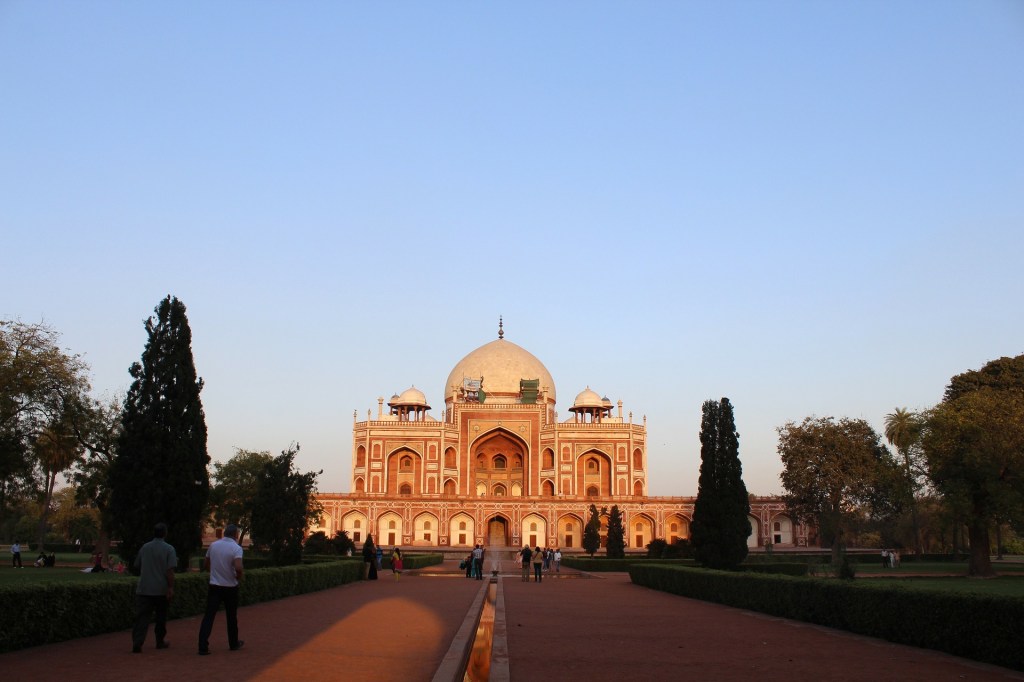
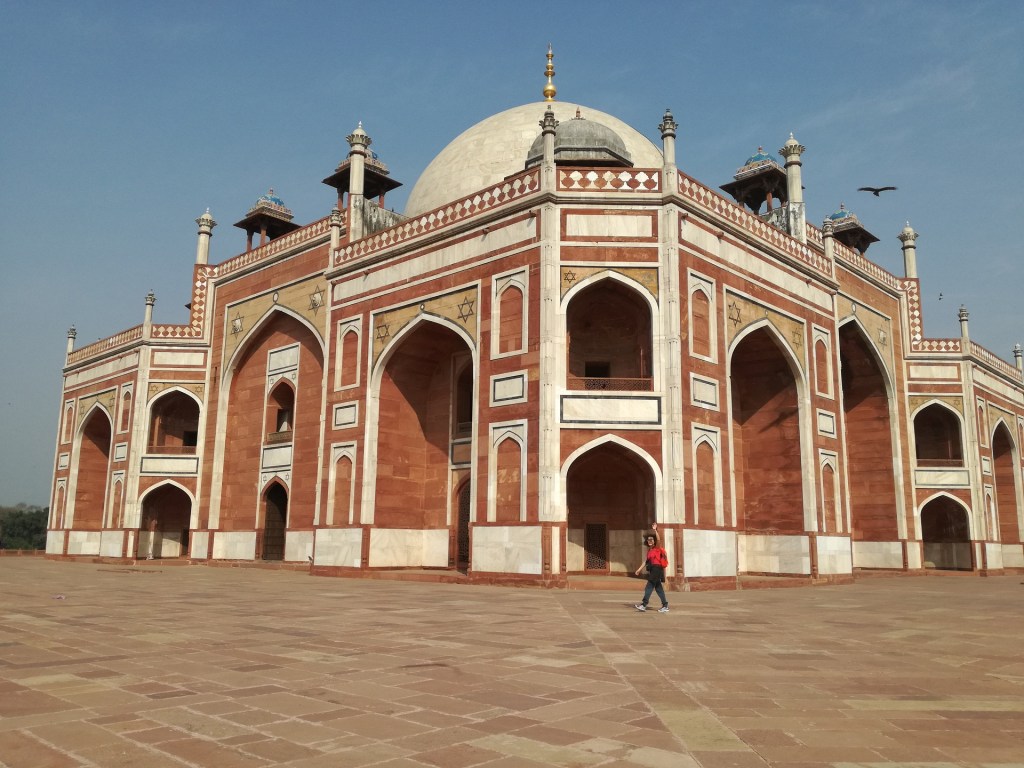
As the name recommends, Humayun’s tomb is the last resting spot of the Mughal Emperor Humayun. Situated in the Nizamuddin East territory of Delhi, it is the main nursery tomb in the Indian subcontinent. This awesome bit of design was dispatched for development by Humayun’s central associate ruler Bega Begum in the year 1569-70 and is one of the not many structures that pre-owned red sandstone on such a huge scale at, that time. The structure of Humayun’s tomb is a normal Mughal design with Persian impacts and was conceptualized by Persian designer Mirak Mirza Ghiyath. Inferable from its sublime structure and famous history, Humayun’s Tomb was included in UNESCO’s World Heritage List in the year 1993.
The design virtuoso of Humayun’s tomb is difficult to miss. This heavenly tomb sits in an enormous, lavish Mughal Garden and its excellence is just upgraded throughout the winter months. Arranged on the banks of the River Yamuna, this tomb is likewise home to the remaining parts of numerous different Mughals, including his spouses, child and relatives of the later Emperor Shah Jahan, just as various other resulting Mughals.
India Gate
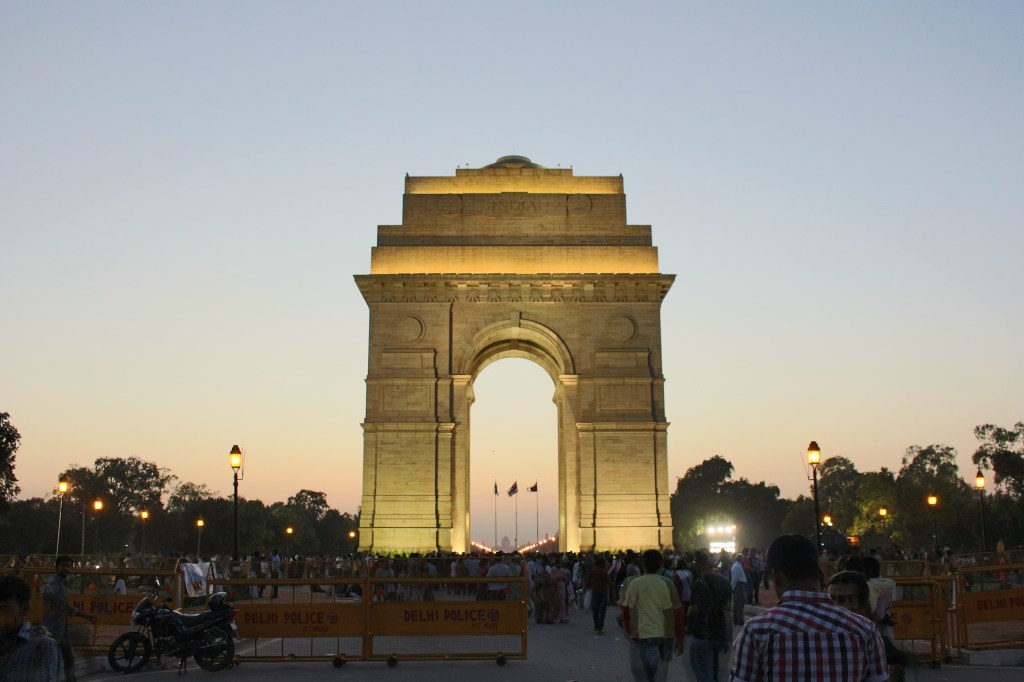
The All India War Memorial, famously known as the India Gate, is situated along the Rajpath in New Delhi. The impressive structure of India Gate is an amazing sight and is frequently contrasted with the Arch de Triomphe in France, the Gateway of India in Mumbai and the Arch of Constantine in Rome. This 42-meter tall verifiable structure was planned by Sir Edwin Lutyens and is one of the biggest war commemorations in the nation. India Gate is likewise acclaimed for facilitating the Republic Day Parade each year. On the off chance that you are quick to find out about World War I, you should take off to India Gate. It is likewise a treat for design sweethearts.
Committed to 82,000 Indian and British troopers who kicked the bucket during the First World War and the Third Anglo-Afghan War, this landmark has the names of 13,300 servicemen recorded on its surface. The establishment stone of this structure was set down in the year 1921, and the last structure was disclosed in the year 1931 by the Indian Viceroy Lord Irwin. The premises of India Gate likewise houses the Amar Jawan Jyoti, which is a fueled structure directly underneath the passage. Worked in 1971 post the Bangladesh Liberation War, the Amar Jawan Jyoti symbolizes the interminable, eternal troopers of India. Inferable from its rich authentic foundation and shocking engineering, India Gate has gotten one of the most mainstream outing spots in the city.
 traviliyaa