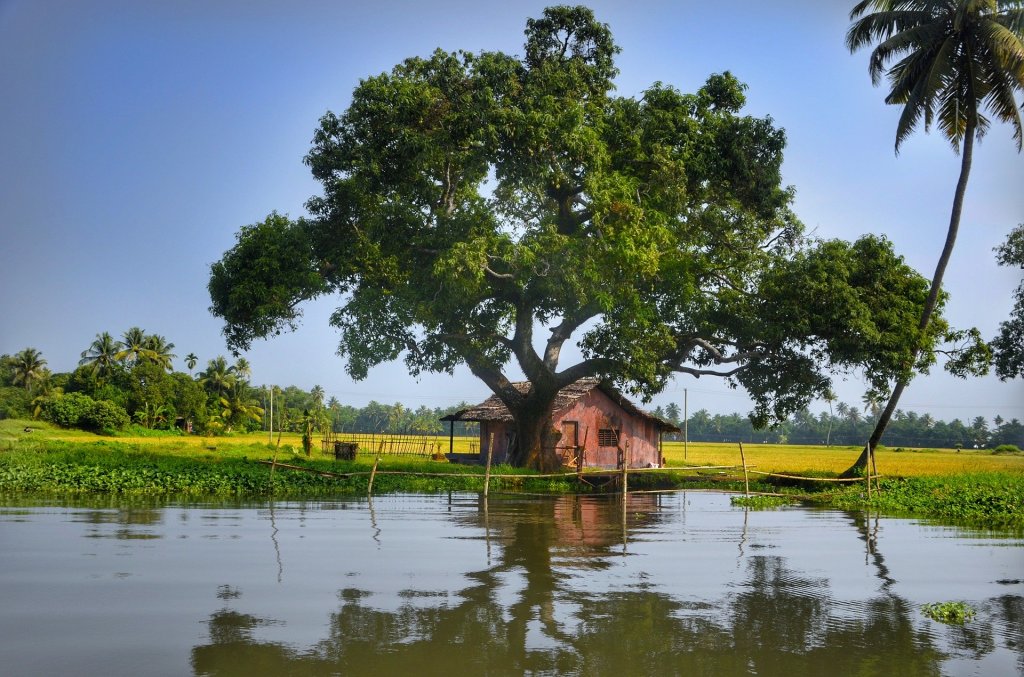
Formally called Alappuzha, Alleppey is a city in the South Indian territory of Kerala. Circumscribing the Laccadive Sea, it is known for its wide system of interlinking, palm-bordered waterways called backwaters and reviving Ayurvedic resorts.
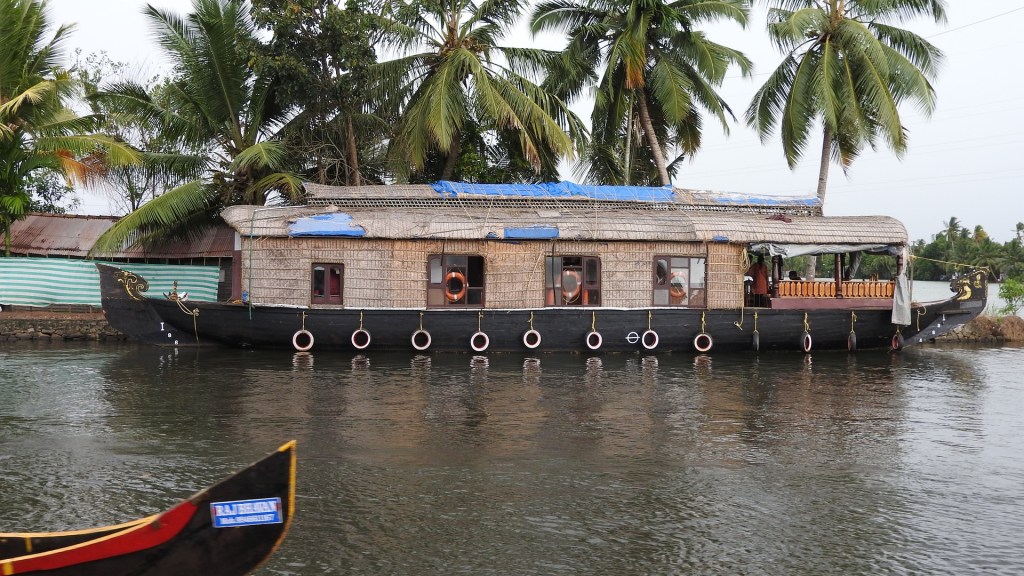
Allepey is likewise famous for its Houseboat travels that go through the quiet backwaters, where you can get looks at green paddy fields, ensemble making exercises, excellent avifauna and witness the life of local people in Kerala. Towards the shore lies the Alleppey sea shore in the Arabian Sea, a lovely case of the diamonds you’d find along the Malabar Coast. The intrigue of this sea shore is just intensified by the history appended to it, and a stroll down the 137-year old wharf is an unquestionable requirement. Make certain to get a customary snake pontoon race in the long periods of August and September and evaluate some flavor (palm wine) at a nearby hard stuff look for adding a dash of credibility to your movement involvement with Allepey.
Venice of the East
One of the cleanest and the most seasoned arranged towns in India, Alleppey is a pleasant waterfront enchant, with backwaters, tidal ponds, trenches, sea shores trimming the city like nothing else. No big surprise why Alleppey was nicknamed ‘Venice of the East’, incidentally by the most famous Viceroy of India, Lord Curzon. Other than this, Alleppey is incredibly celebrated for its snake vessel races, which happen in the rainstorm season. Alleppey’s backwaters are the most famous goal in Kerala. Different spots of enthusiasm for Alleppey will be Alleppey Beach, which offers a stunning perspective on Laccadive Sea, Krishnapuram Palace, St. Andrew’s Basilica, and Haripada Sri Subrahmanya Swamy Temple.
Paddy Cultivation in Backwaters
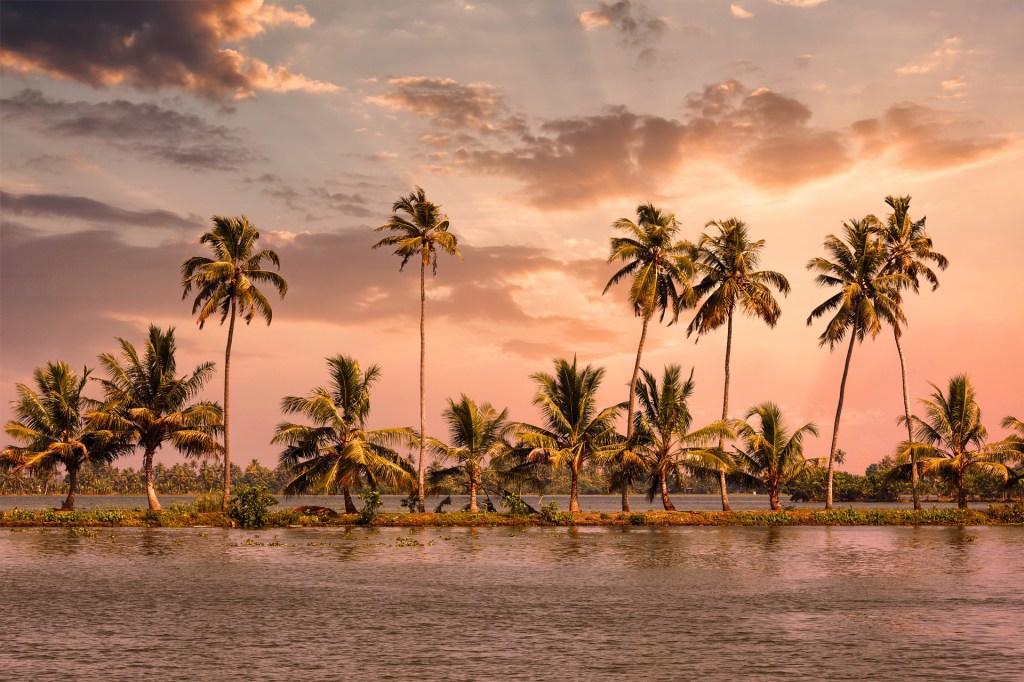
The backwaters of Alleppey is home to Kuttanad, frequently called The Rice Bowl of Kerala. Navigating through a houseboat in this district offers a wonderful green kaleidoscope of rich paddy fields, mixed with coconut trees. The paddy is developed on gigantic territories of recovered land from the Vembanad lake. The recovery occurred more than three stages, beginning from 1865 to 1940. These recovered territories are called Padsekharam. At first, the recovering was done physically with water wheels, and later with steam motors. The paddy fields are depleted by 4 significant streams – Pampa, Meenachil, Achankovil and Manimala. Theories have asserted that it is the main territory on the planet where cultivating is done up to 2 meters beneath ocean level.
Tips for visit this place
Day 1 – Reach Alleppey, ideally by early afternoon, and take some rest. At night, you can take a walk around the well known markets of Alleppey, principally Mulakkal, where you can get a few gifts, particularly stuff like coir sacks, mats and so forth separated from the local flavors for yourself.
Day 2 – The following day ought to be reserved for a little while to the renowned Nehru Trophy Boat Race, if the meeting time is in rainstorm, or there will be consequences, go for the great Krishnapuram Palace. Consequently, you can take a cruiser or houseboat to the backwaters of Alleppey.
Day 3 – The last day can begin with a dazzling perspective on the ocean at Alleppey sea shore. Situated about an hour away, is the Kumarakoram Bird Sanctuary, which has a stunning scope of winged animals.
Best time to visit
The best time to visit Alleppey is among October and February when the temperature is moderate (around 33°C), making it an ideal time to investigate the city. Alleppey encounters storms among June and September. It isn’t prudent to visitors, however the storm sweethearts and the strange explorers can think about visiting in June. The town gets light precipitation every so often that brings the mercury level down enabling travelers to investigate the attractions. Yet, as the season advances, the locale gets heavy downpour, making it an inadmissible goal for voyagers. Summers are likewise not prescribed for the outrageous warmth that hits the locale as the temperature can go as high as 40°C closing all the open air exercises.
 traviliyaa