Lotus flower looking temple of india

Lotus Temple, Delhi Overview
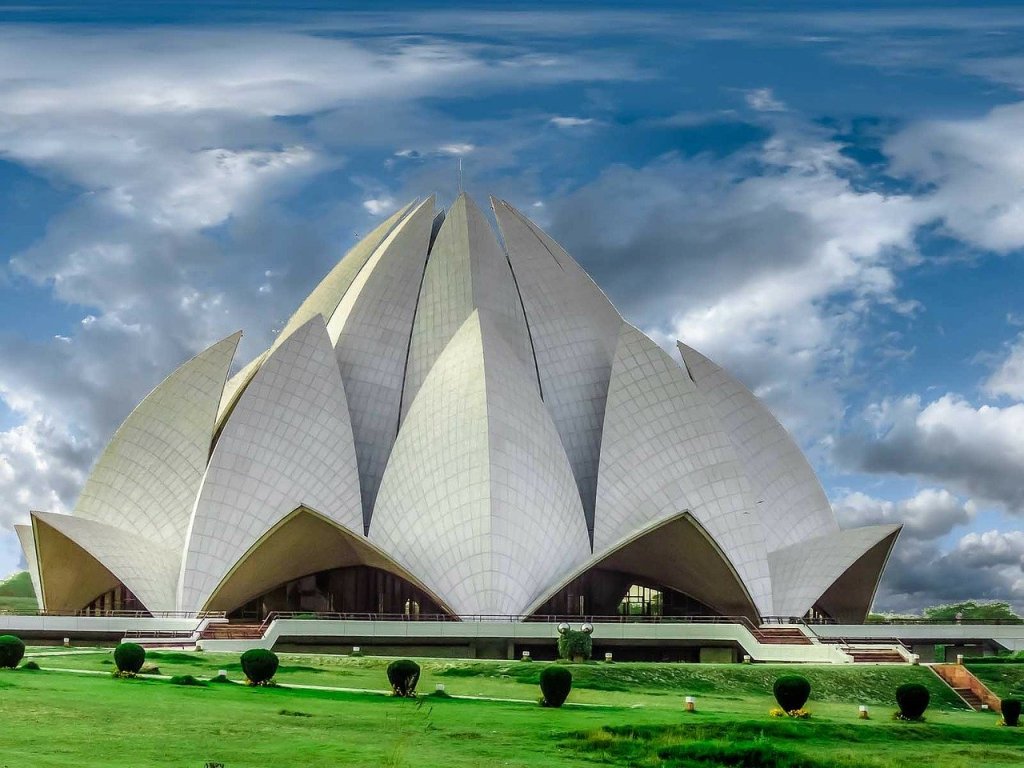
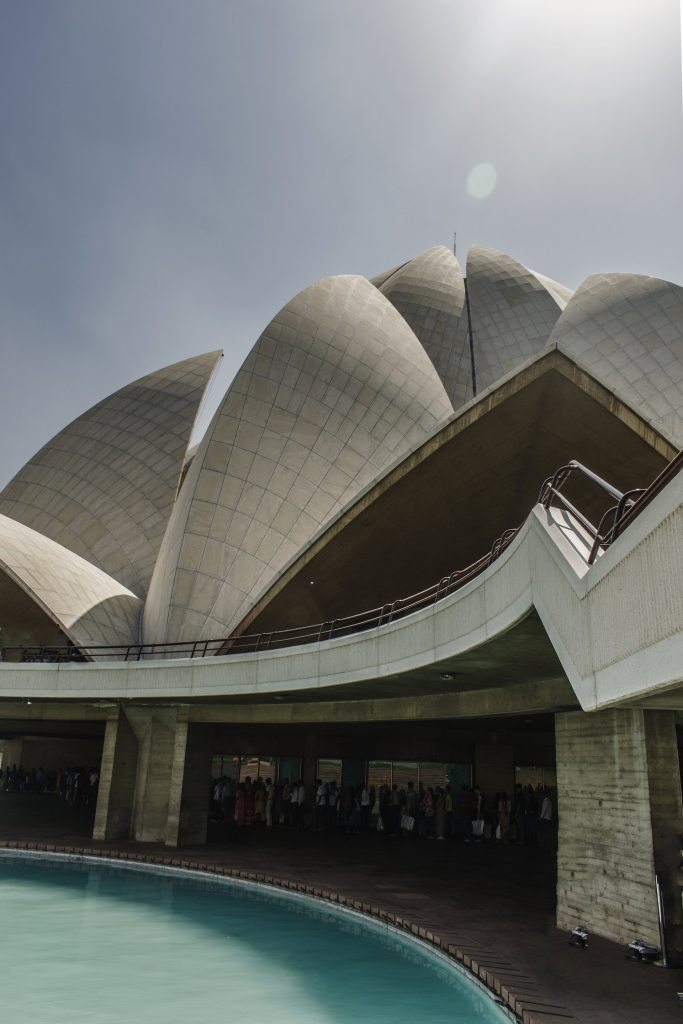
Situated in the national capital of New Delhi, the Lotus Temple is a building committed to the Baha’i confidence. The glorious structure of this structure unfurls as a dynamite white petal lotus and is one of the most visited foundations on the planet. The plan of this sanctum was conceptualized by Canadian designer Fariborz Sahba and was finished in the year 1986. This sanctuary looks to engender the unity of the Almighty and is available to all paying little respect to their nationality, religion, race or sex. The Lotus sanctuary it is one of the seven Baha’i House of Worship present far and wide.

As you enter the complex of the sanctuary, you experience a charming passage door, delightful botanical gardens and shining pools. The pathway paving the way to the sanctuary entryways is fixed with rich green bushes and a sentiment of quietness enhances the environment in spite of the gurgling swarm. Once inside, the entrancing design will quiet you into a thoughtful quietness. You can peruse and recite strict writings of any confidence, and melodic interpretations of strict writings can be sung with no restraints in the sanctuary complex. The Bahai Lotus Temple is undoubtedly one of the must-visit puts in the capital. for its brilliant design as well as to encounter another method for reflection in a totally extraordinary, happy climate.

Visiting Tips

  1. Lotus Temple is a spot for quiet supplication and reflection for individuals of every single strict foundation. So one ought not make commotion.
  2. Petitions timings are 10:AM, 12:00PM, 3:00PM and 5:00PM for five minutes and a couple of supplications from various religions are recited or read so anyone can hear. Individuals are mentioned to not leave the Prayer Hall during this time, yet hold up until the petitions are finished.
  3. Perusing non-scriptural writings, conveying messages, playing instruments and raising support are prohibited here.

Lotus Architecture 

The sanctuary is worked of Greek white marble looking like Lotus blossom. Lotus was picked as the image as it was not unexpected to religions like Jainism, Buddhism, Hinduism and Islam. The structure for the House of Worship in New Delhi is made out of 27 unattached marble-made “petals” sorted out in lots of three to shape nine sides. The nine entryways of the Lotus Temple open onto a focal corridor, that has the limit of holding up to 2,500 individuals. The Temple is structured so that no outer lighting is required to illuminate the enormous supplication lobby. The light channels through the internal folds of the Lotus and diffuses through the whole lobby of the sanctuary, working as a bay window. With its nine encompassing lakes and the nurseries, the Lotus Temple property is spread more than 26 sections of land.
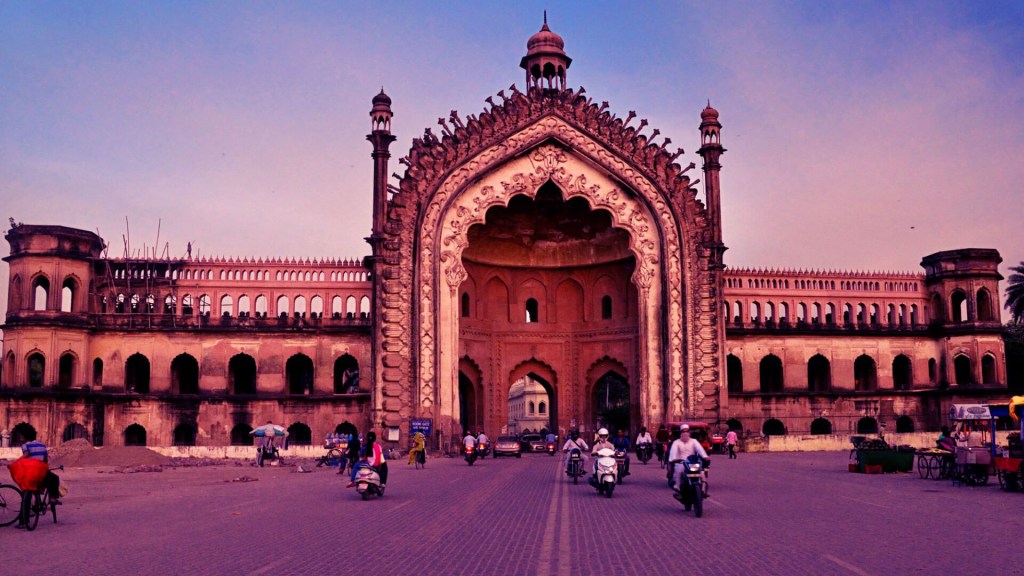
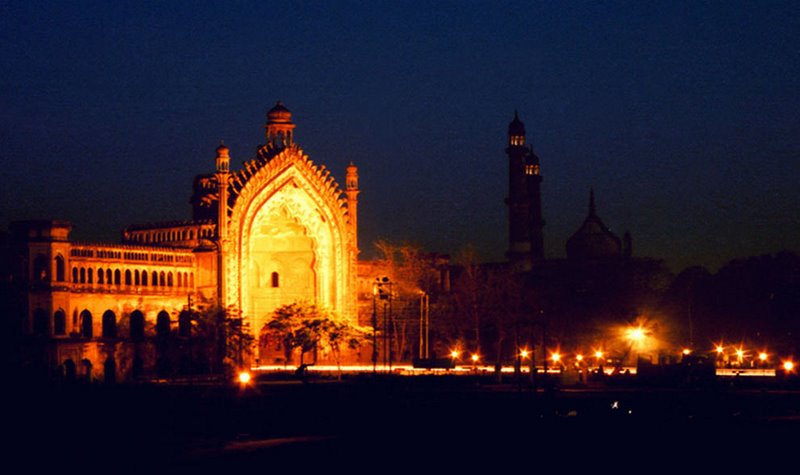
Lucknow Overview,Rumi Darwaza

Rumi Darwaza in the core of Lucknow lingers over the bustling ordinary traffic of Lajpatnagar like an old gatekeeper blessed messenger that has seen the city rise and fall. The old Awadhi engineering of Rumi Darwaza is one of those highlights of the old city of Lucknow which still sticks on to the sentimentalities of the past, similar to the pony driven Tonga truck. The production of Rumi Darwaza has a truly beneficent purpose for it. At the point when starvation struck North India during 1748, the then Nawab of Lucknow concocted an arrangement that will nourish his kinsmen just as give him something to esteem and be glad for.

According to the arrangement, the Awadhi laborers assembled the incomparable Rumi Darwaza for him, in return for consistently’s feast. In those days it was the entryway to the imperial city and royal residence, and the design was a complimenting impersonation of a comparable example which remained in the then Byzantine realm, presently called Istanbul.

Gradually and consistently, Rumi Darwaza has quit being the lofty entryway to the regal home, yet it has no place lost its appeal and criticalness to the extent the way of life of Lucknow is concerned. Rather than being deserted, it has been joined into the cutting edge world – such is the greatness of the structure. Through the curve of the Rumi Darwaza runs roadways to the two sides and they stay occupied, swarmed and dissonant throughout the day. The surge of vehicles and the brunt of time have debilitated it, however regardless it stands ever solid and magnificent.

Lucknow is the best city inside India

Bara Imambara

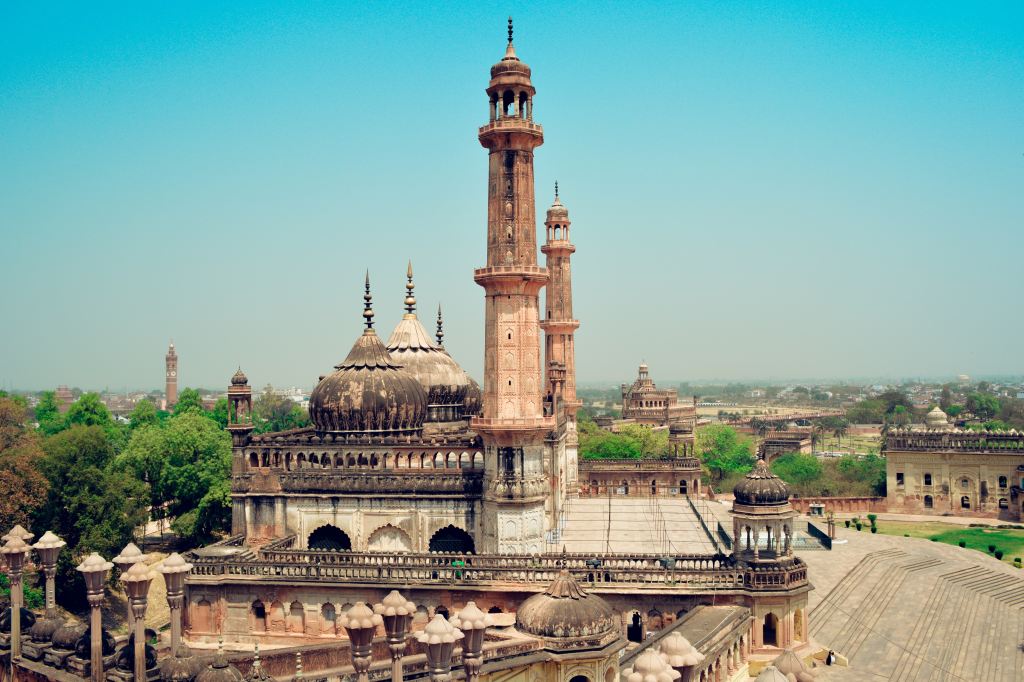
The Bara Imambara of Lucknow is one of the most famous monuments of the city. Also known as Asfi Imambara, after the name of the Nawab of Lucknow who got it constructed, it is an important place of worship for the Muslims who come here every year to celebrate the religious festival of Muharram. The Imambara is primarily known for its incredible maze, known as Bhul Bhulaiya locally, which is located on the upper floor of the monument. It is said that there are 1024 ways to get inside the maze but only 2 to come out. World over, Bara Imambara is as much revered for its religious importance as for its architectural prowess.

Said to be the world’s largest structure that is unsupported by beams, Bara Imambara is considered a marvel of engineering and a fine specimen of Mughal architecture. In the vicinity, religious centres like the Asifi Mosque, Shahi Bawali, Rumi Darwaja, etc., are also present for one to explore. The Bara Imambara has a unique style of construction. Moreover, No wood or metal has been used in the construction of this mosque. One can also have a view of the grave of Nawab Asaf-Ud-Dowlah and his crown, which is kept in the central hall. The Bara Imambara is worth seeing in its own right, but the unusual labyrinth of corridors on its upper floor (Bhul Bhulaiya) is what steals the show!

Places of Kashmir

“The Paradise on Earth”

Srinagar Tourism

Broadly known as ‘Paradise on Earth’, Srinagar is situated in the association region of Jammu and Kashmir, on the banks of stream Jhelum. As beautiful as the most shocking canvas to ever be painted, Srinagar is known for the stationary houseboats and vivid Shikararas on Dal Lake.

The gondola-type rowboats, Shikaras are utilized by the sightseers to see attractions like the Floating Vegetable Market, and the Mir Bahris – an exuberant network of individuals who live on the lake itself. Known as the late spring capital of Jammu and Kashmir, Srinagar is home to probably the most lovely Mughal-age cultivates in India, with the top draws being Nishat Bagh, Shalimar Bagh and Chashm-E-Shahi Garden. Kashmiri cooking is acclaimed everywhere throughout the globe, so when in Srinagar, evaluating the neighborhood dishes, which are wealthy in one of a kind fragrant flavors, is an absolute necessity.

Overwhelming snowfall influences the network of Srinagar throughout the winter a long time of December to February. Collective pressures additionally lead to visit curfews in parts of the city. Make a point to check the circumstance before visiting.

Shimla “The Hill-Station with Rich Colonial History”

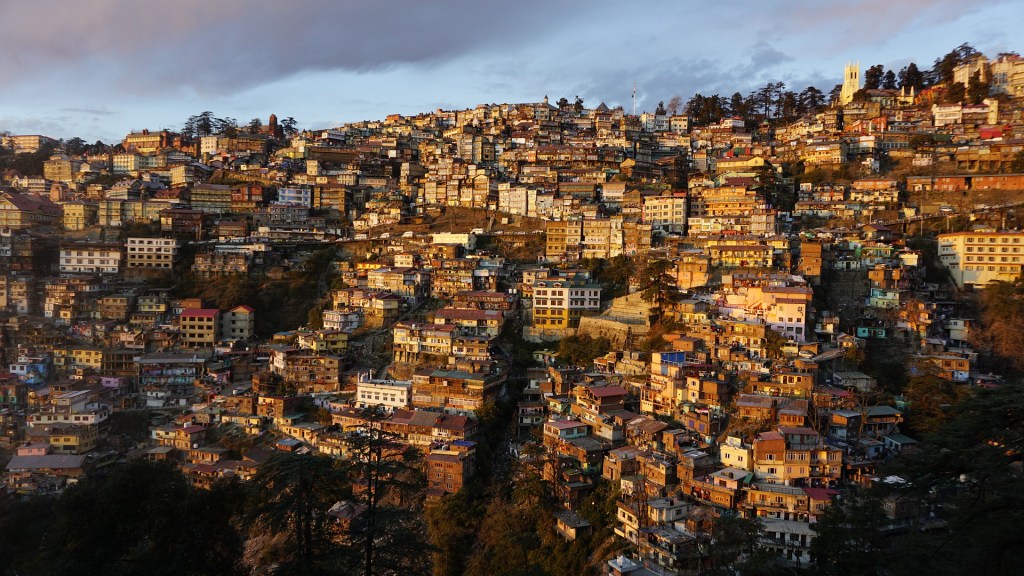
Arranged at a stature of 2200m, Shimla is the capital and the biggest city of Himachal Pradesh in India. Set in the midst of lovely slopes and mysterious woods, Shimla has been a well known slope station among Indian families and honeymooners since the most recent 50 years.

English adored this city so much that they made Shimla their late spring capital in 1864 and used to administer the sub-mainland from here at whatever point the temperature rose in the close by fields. Shimla still holds its old world fascinate with excellent provincial design, person on foot well disposed Mall Road and lovely houses of worship.

The climate is wonderful for the vast majority of the months with sightseers running particularly throughout the late spring months. The winters are cold with certain long stretches of snow from mid-December till February end. Voyagers rush to the halfway found Mall Road and the Ridge, a mobile just region which is agreed with numerous shops, bistros and cafés.

Shimla has been the host to probably the most significant gatherings in the Indian history, including the Simla Conference of 1945 and the Simla Agreement of 1972 among India and Pakistan. The Old Viceroy Hall currently houses the Indian Institute of Advanced Study and is a well known vacation spot.

Shimla is frequently secured with close by towns of Kufri, a slope station quite often secured by day off Chail, popular for an enormous royal residence and the most noteworthy cricket ground on the planet. Visitors likewise visit the popular Jakhu Temple and take part in touring at different perspectives during their excursion to Shimla

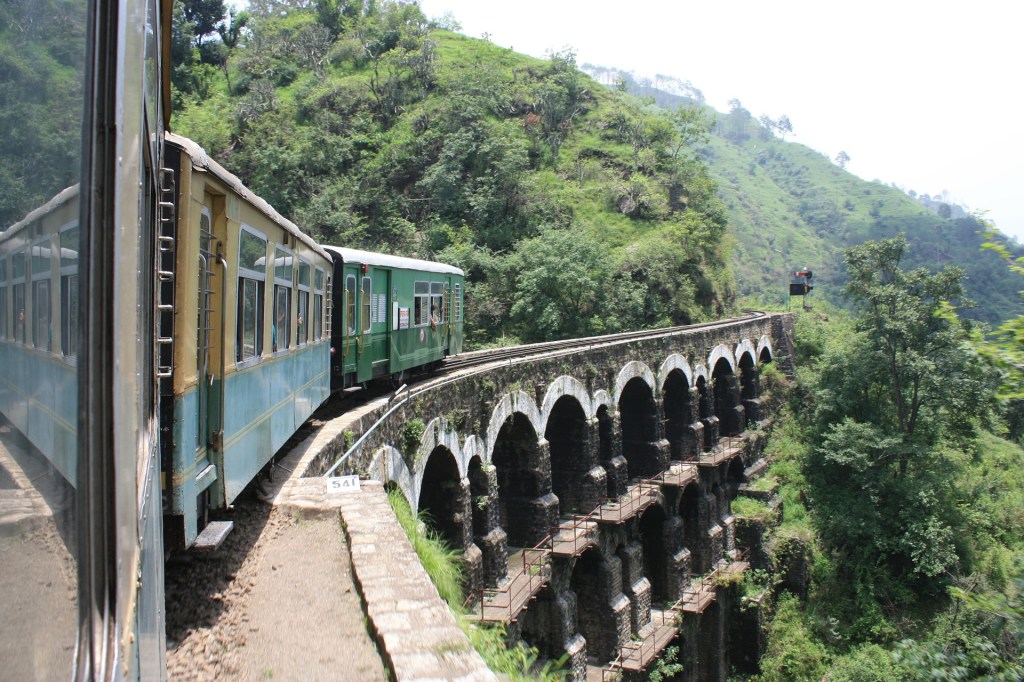
Shimla is all around associated with numerous urban areas and is only 4 hours from the close by city of Chandigarh. The city has an air terminal too anyway there aren’t numerous every day flights from here. The railroad station interfaces Shimla with the plans and is well known for the Kalka-Shimla train highway, an UNESCO recorded World Heritage site.

Narkanda Tourism

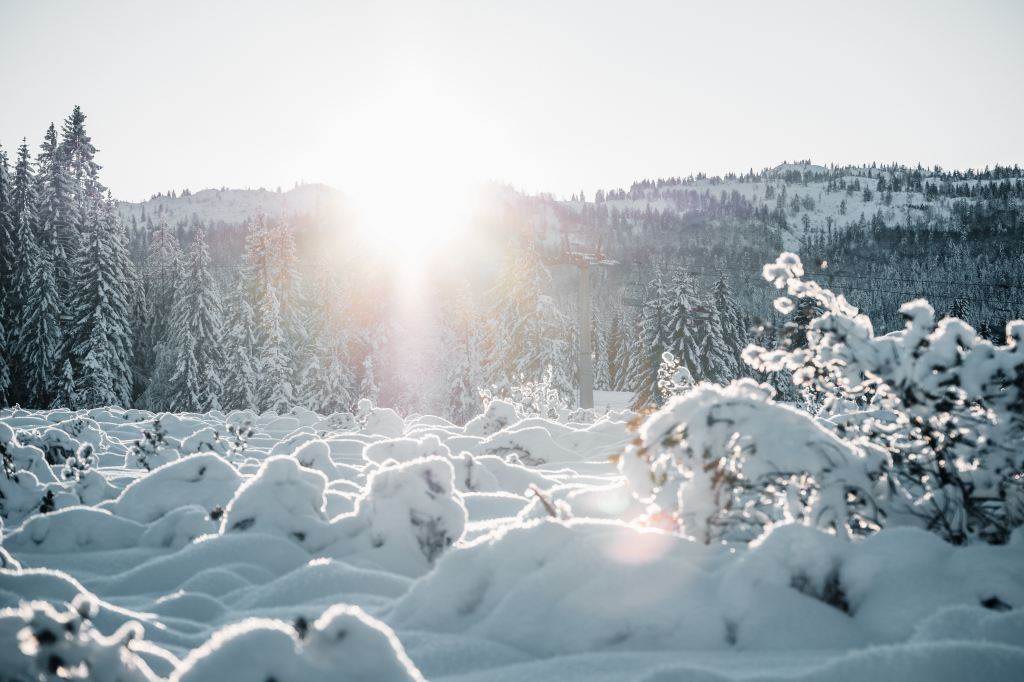
Encompassed by timberlands and forests, Narkanda is an interesting little town in Shimla area which is famous for skiing in winters.

Arranged at a tallness of 9000 feet, this town draws in vacationers for its ethereal common magnificence and its wonderful apple plantations. Encompassed by tropical backwoods and lofty slopes, this is one spot that vacationers to Himachal Pradesh ought not miss. Narkanda likewise has a lake called the Tannu Jabar Lake which is one of the most significant vacation spot here. There additionally exists a sanctuary close to the lake which is an absolute necessity visit for all voyagers and lovers coming here. Narkanda likewise has different trekking courses which all experience searchers ought to go for. Narkanda has a delightful slope called Hatu Nag which one can trek up to. This slope offers an all encompassing perspective on the town beneath and all experience sweethearts venturing out to this town should attempt it. One can likewise go for skiing during the winters.

Nubra Valley

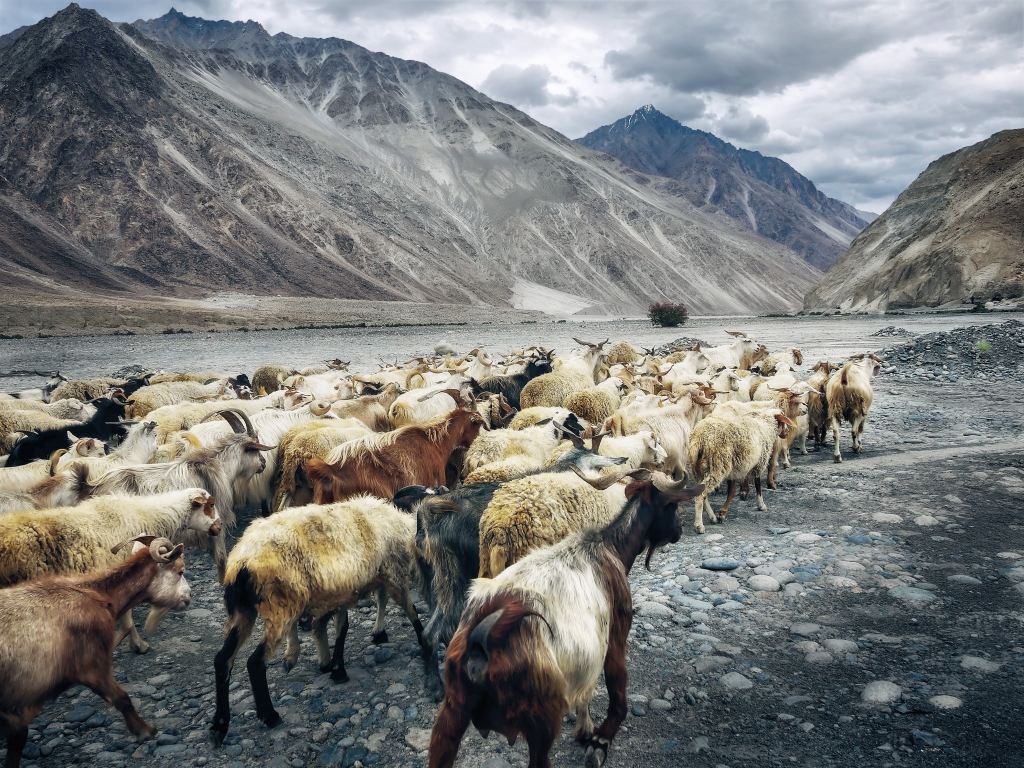
Nubra Valley lies in the association region of Jammu and Kashmir, a good ways off of around 140 Km from Leh. Situated on the old Silk Route, the valley has Shyok and Nubra stream winding through it and some lovely religious communities.

The district is right now under military supervision on the grounds that the street further prompts the Siachen base camp, which happens to be the most elevated war zone on the planet. Every remote national need to get secured territory license, and Indian explorers need to get an Inner Line Permit to enter the Nubra valley. You have to hand over the photocopies of your movement licenses to the warriors in the Khardung La pass.

With parched mountains in the setting, Nubra Velly is popular for the Bactrian camel rides. Bactrian camels are of the rarest sort, having two protuberances and were the essential wellspring of transportation in the silk course.

Places of delhi

Qutub Minar

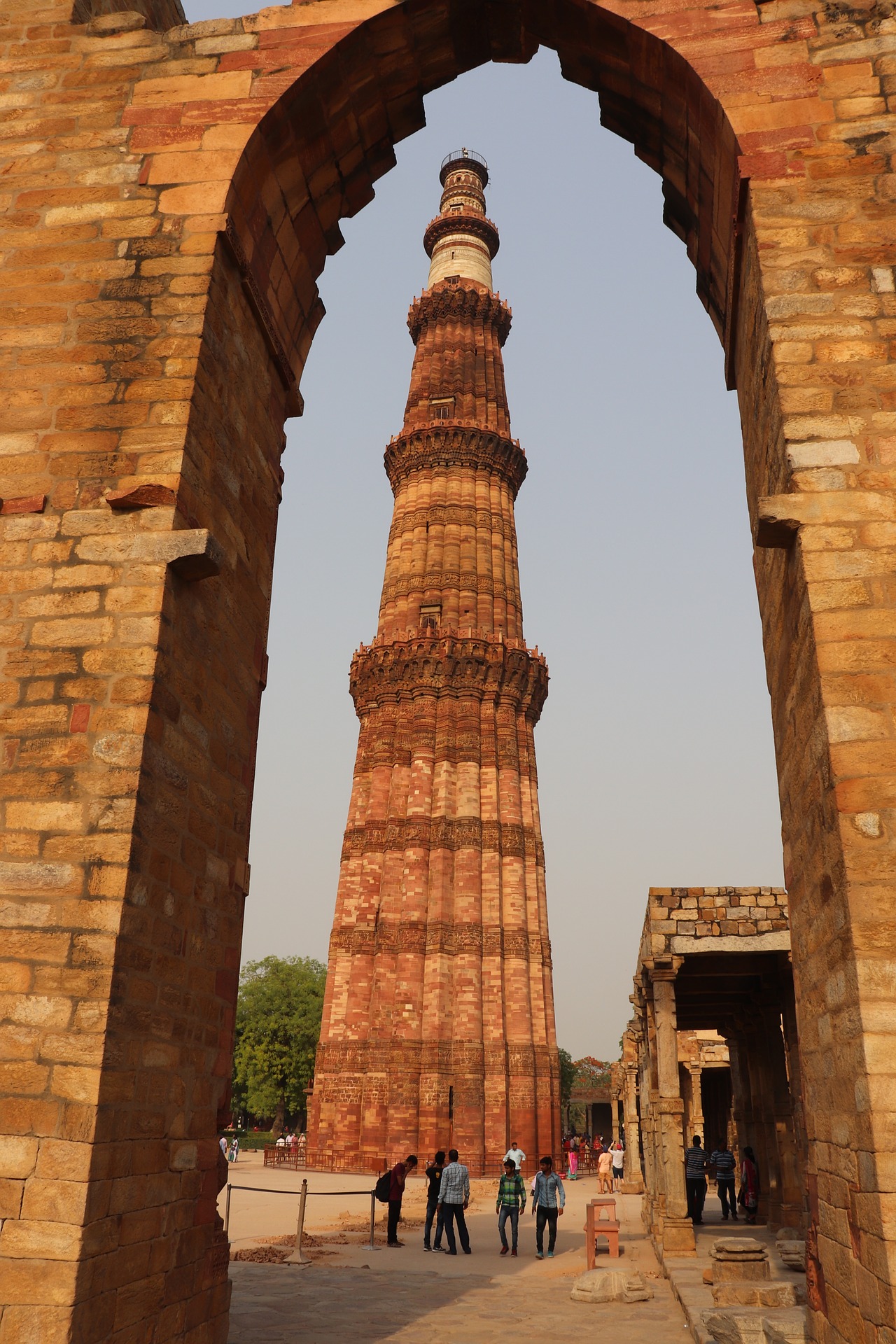
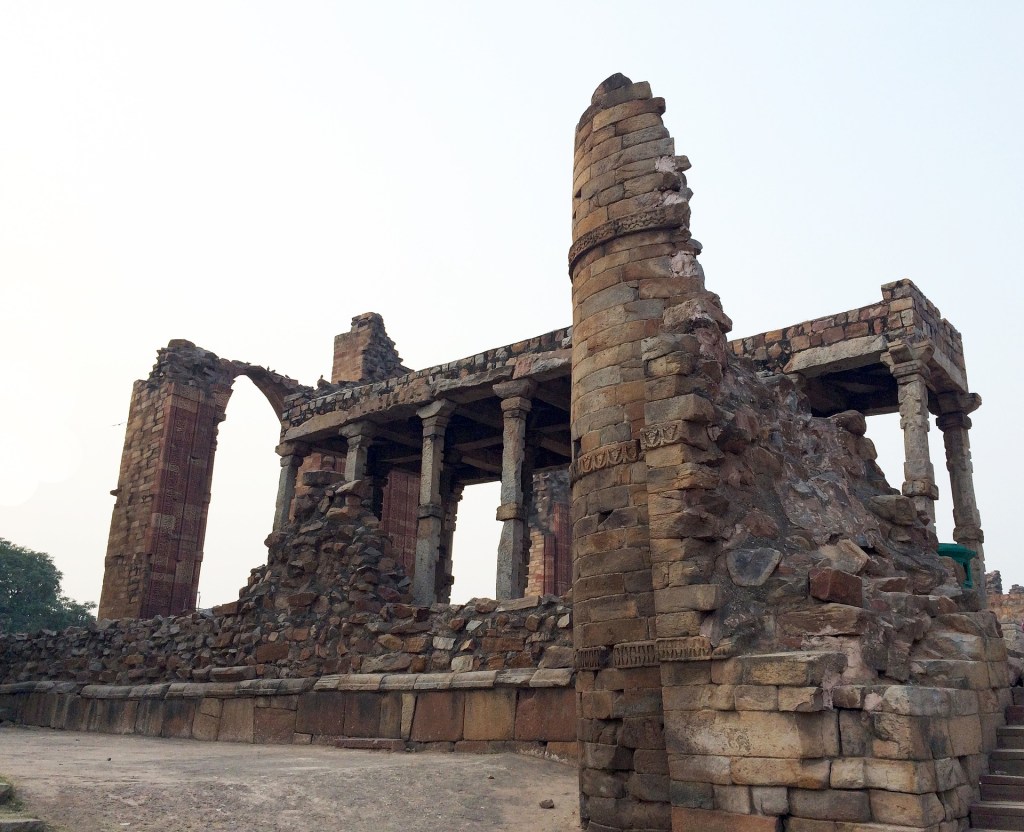
The taking off and bold pinnacle that appeals sightseers in spite of being obliterated by attacks of characteristic apocalypses a few times, Qutub Minar is the tallest individual pinnacle on the planet and second tallest landmark of Delhi. An UNESCO World Heritage Site, it is situated in Mehrauli and its development was begun in 1192 by Qutb Ud-Din-Aibak, author of Delhi Sultanate. Afterward, the pinnacle was worked by different leaders throughout the hundreds of years. Seeing this wonderful landmark returns you to the rich history of India.

The amazing design which incorporates faultless carvings will depart you charmed. Other than Qutub Minar, the Qutub Complex has numerous other old structures to offer you like Iron Pillar and the Alai Darwaza. As you meander around, the spot will without a doubt propel you to submerge further into India’s past and respect the vintage engineering. The design devotees will never have enough of Qutub Minar. It has become a most loved cookout spot for Delhiites where they simply unwind with the Minar in the setting. Likewise, the lavish Qutub Festival which boasts about the magnificence of the pinnacle is a significant fascination for sightseers. Along these lines, live the renowned history of India with Qutub Minar and other various landmarks raised at one spot.

Delhi Overview,Jama Masjid

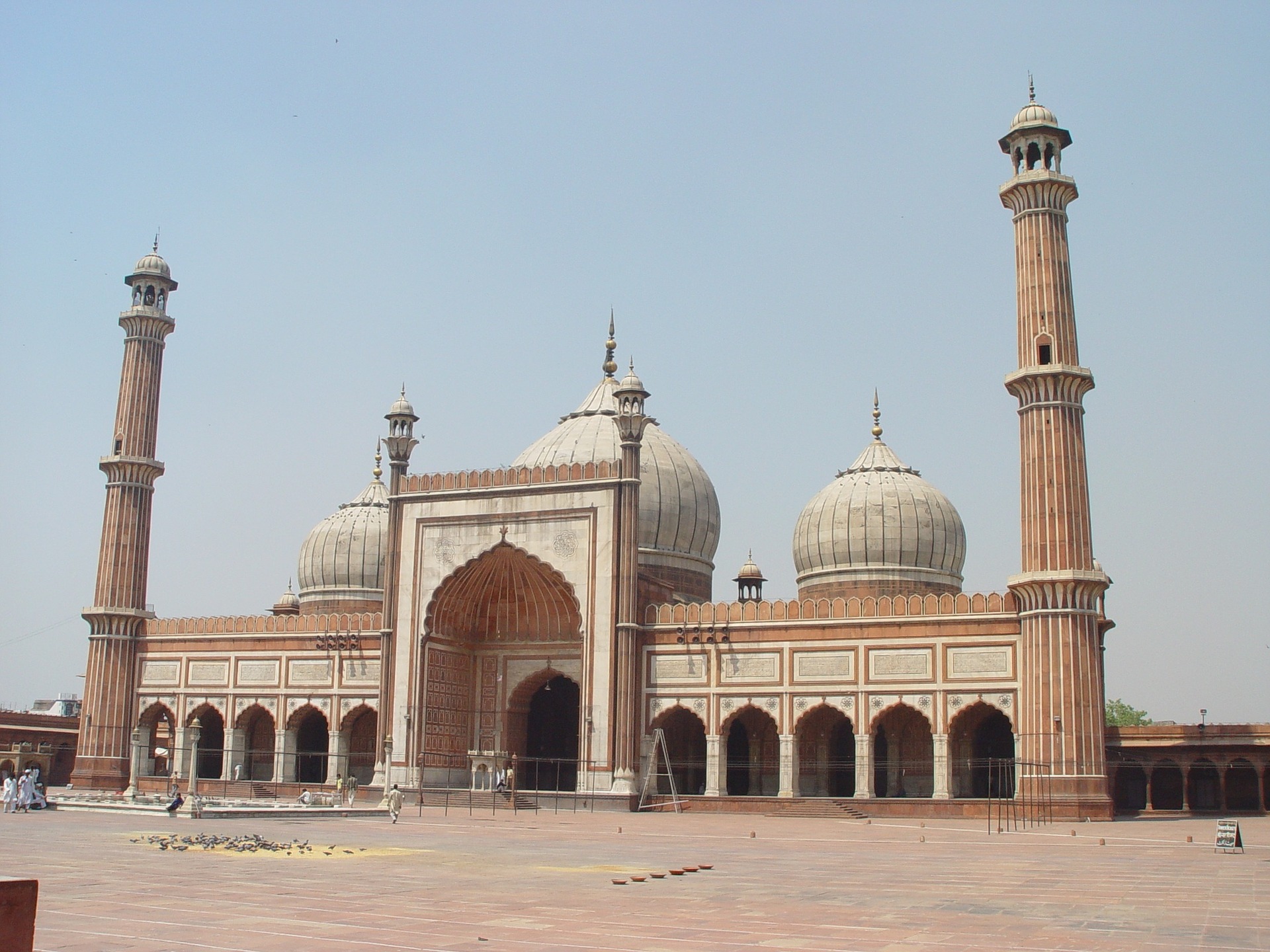
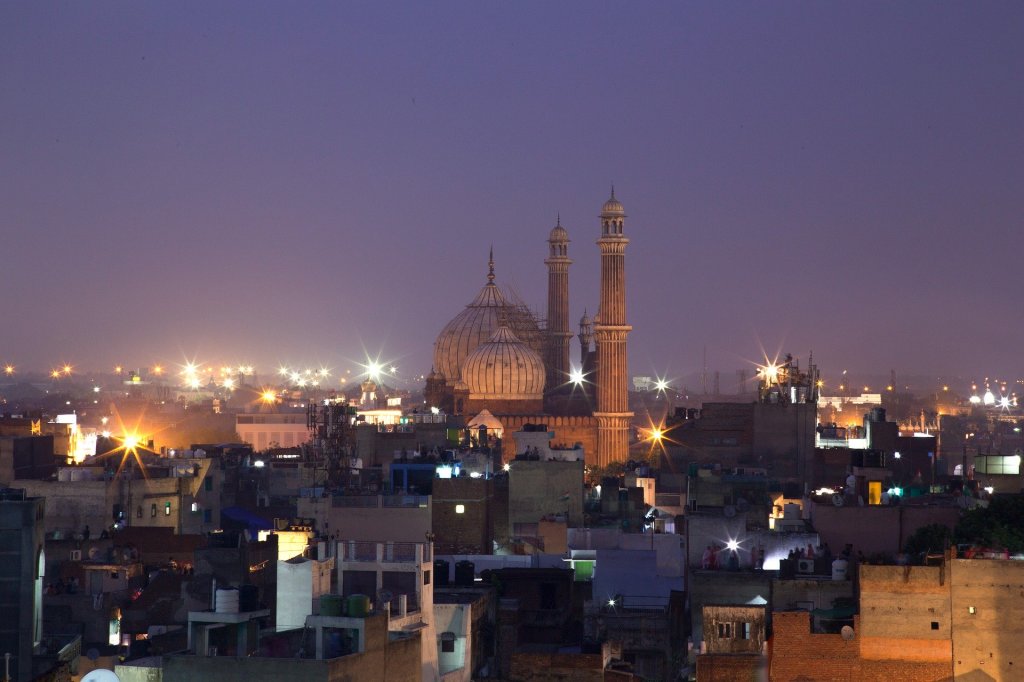
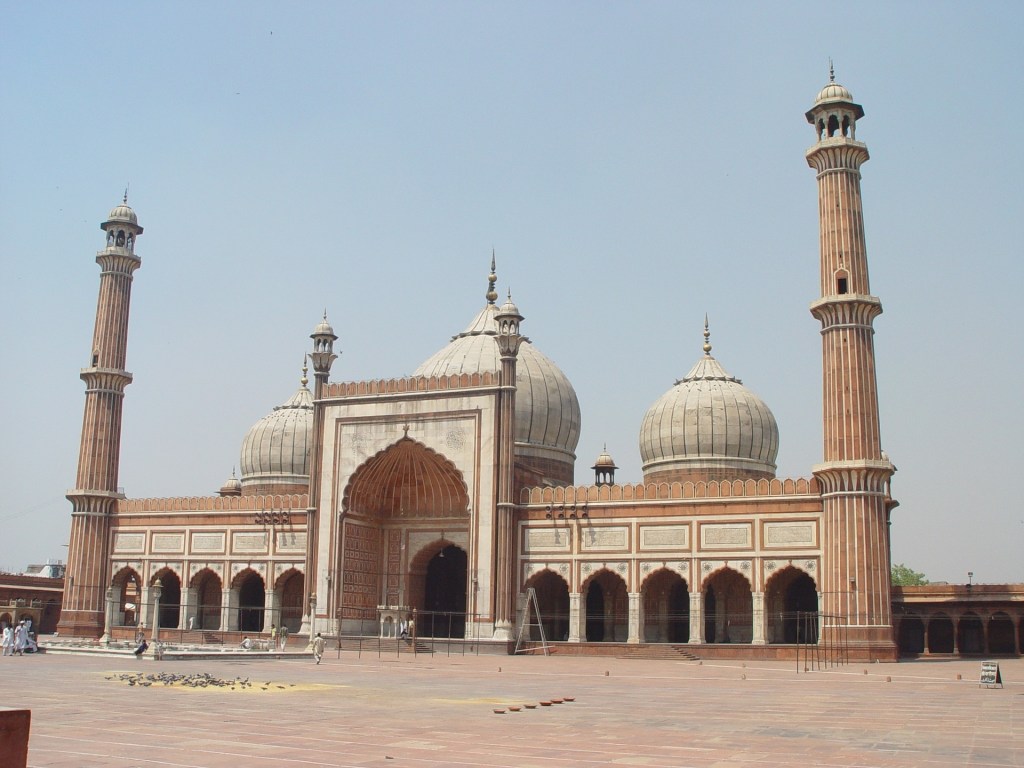
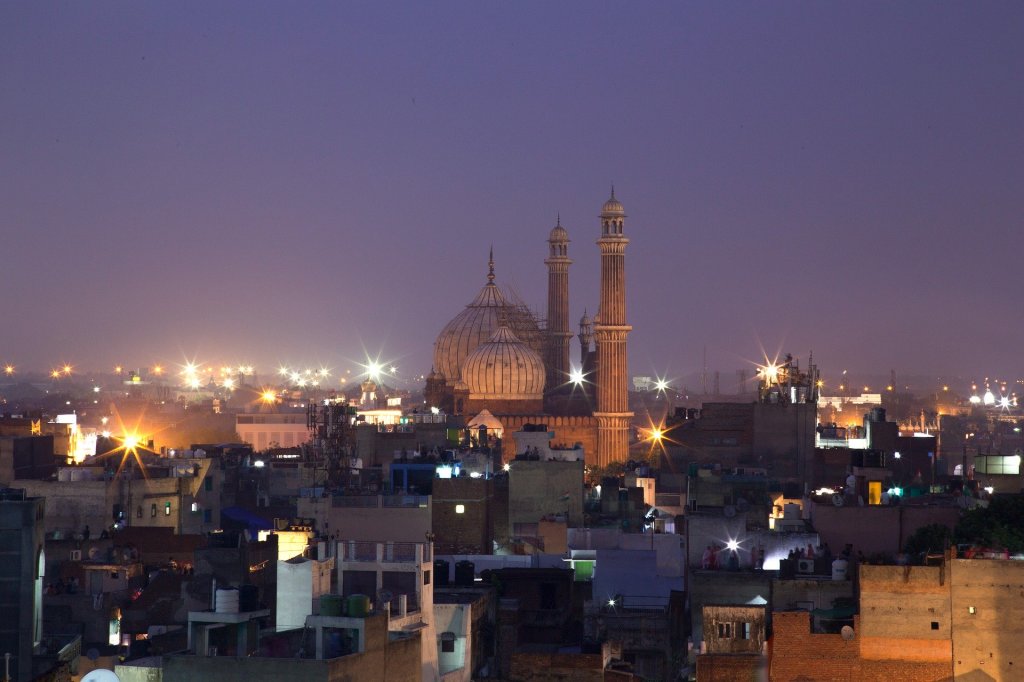
In the midst of the surge and bedlam of Central Delhi, lies the harmony and serenity of the biggest mosque in the nation. The ‘Masjid-I Jahan-Numa’ or Jama Masjid as it is more generally known, signifies “World Reflecting Mosque.” It was the remainder of Shah Jahan’s great assortment of building endeavors, after the Taj Mahal and the Red Fort. The mosque has a large number of pioneers every year on the sacred event of Eid to offer extraordinary Namaz in the first part of the day. With a limit of twenty-5,000 individuals in the yard, Jama Masjid is apparently the biggest mosque in the nation. Lamentably, non-Muslims are not permitted inside the Masjid during Namaz contributions. Nighttimes are dreamlike when the means prompting the mosque are loaded up with nourishment and book slows down.

Jama Masjid is arranged in the more established piece of Delhi, presently called Chandni Chowk and encompassed by wonderful Mughal structures. It took a colossal development cost of one million rupees at the time, 5,000 specialists and six years (1650-1656) to finish. The virtue of warm greeting can be felt here. To arrive at the passage one needs to climb 121 stages. The monstrous focal vault is an exceptional case of Islamic engineering. J Sadaullah Khan who was the Wazir (PM) during Shah Jahan’s standard directed the development of the mosque.

Humayun’s Tomb

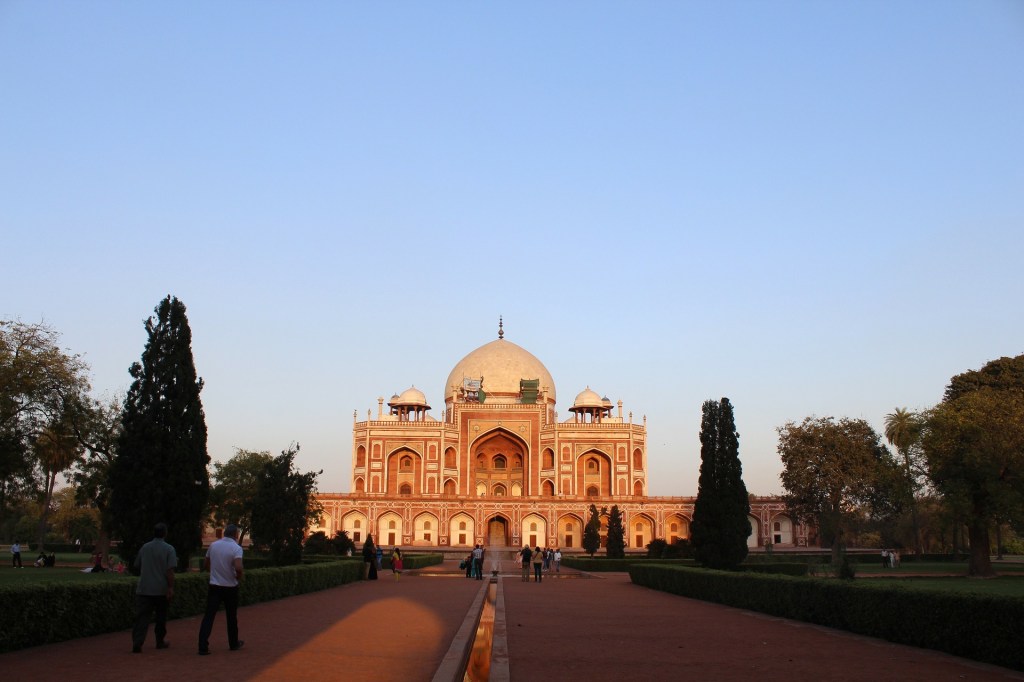
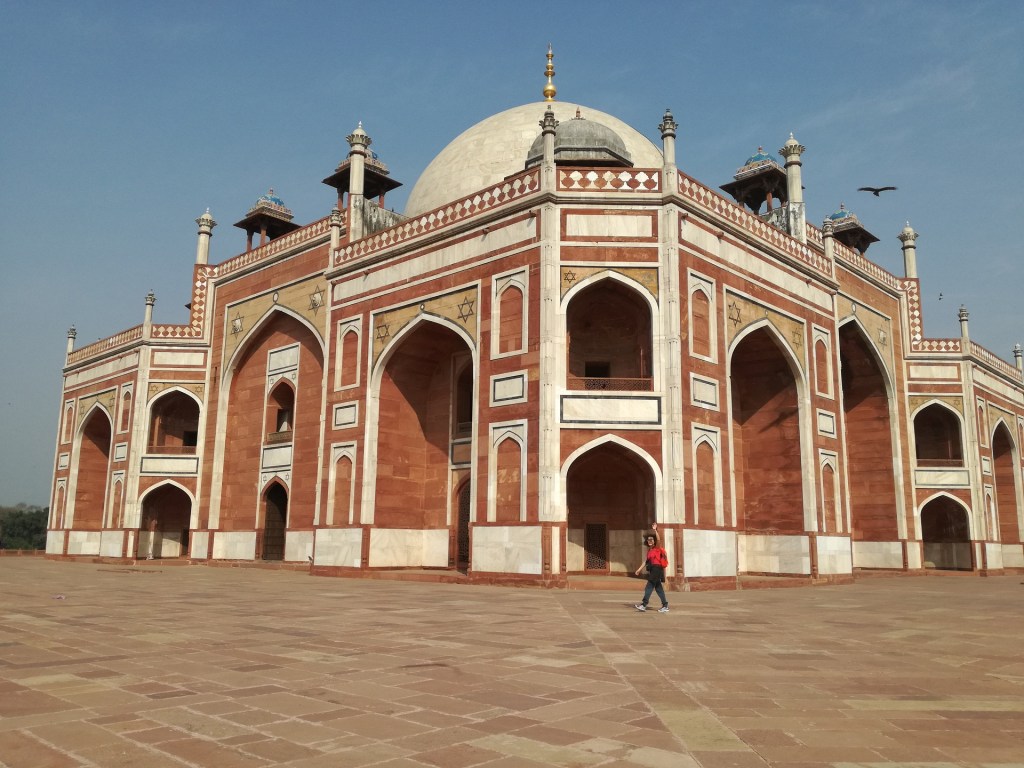
As the name recommends, Humayun’s tomb is the last resting spot of the Mughal Emperor Humayun. Situated in the Nizamuddin East territory of Delhi, it is the main nursery tomb in the Indian subcontinent. This awesome bit of design was dispatched for development by Humayun’s central associate ruler Bega Begum in the year 1569-70 and is one of the not many structures that pre-owned red sandstone on such a huge scale at, that time. The structure of Humayun’s tomb is a normal Mughal design with Persian impacts and was conceptualized by Persian designer Mirak Mirza Ghiyath. Inferable from its sublime structure and famous history, Humayun’s Tomb was included in UNESCO’s World Heritage List in the year 1993.

The design virtuoso of Humayun’s tomb is difficult to miss. This heavenly tomb sits in an enormous, lavish Mughal Garden and its excellence is just upgraded throughout the winter months. Arranged on the banks of the River Yamuna, this tomb is likewise home to the remaining parts of numerous different Mughals, including his spouses, child and relatives of the later Emperor Shah Jahan, just as various other resulting Mughals.

India Gate

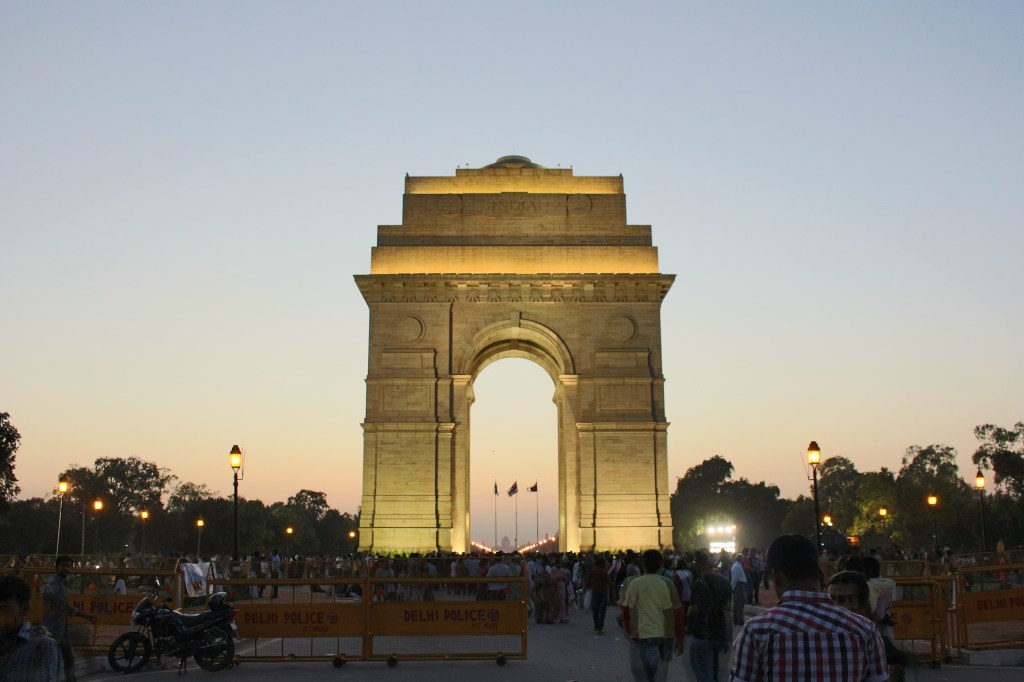
The All India War Memorial, famously known as the India Gate, is situated along the Rajpath in New Delhi. The impressive structure of India Gate is an amazing sight and is frequently contrasted with the Arch de Triomphe in France, the Gateway of India in Mumbai and the Arch of Constantine in Rome. This 42-meter tall verifiable structure was planned by Sir Edwin Lutyens and is one of the biggest war commemorations in the nation. India Gate is likewise acclaimed for facilitating the Republic Day Parade each year. On the off chance that you are quick to find out about World War I, you should take off to India Gate. It is likewise a treat for design sweethearts.

Committed to 82,000 Indian and British troopers who kicked the bucket during the First World War and the Third Anglo-Afghan War, this landmark has the names of 13,300 servicemen recorded on its surface. The establishment stone of this structure was set down in the year 1921, and the last structure was disclosed in the year 1931 by the Indian Viceroy Lord Irwin. The premises of India Gate likewise houses the Amar Jawan Jyoti, which is a fueled structure directly underneath the passage. Worked in 1971 post the Bangladesh Liberation War, the Amar Jawan Jyoti symbolizes the interminable, eternal troopers of India. Inferable from its rich authentic foundation and shocking engineering, India Gate has gotten one of the most mainstream outing spots in the city.

Places of jaipur

Jaipur Amber Fort

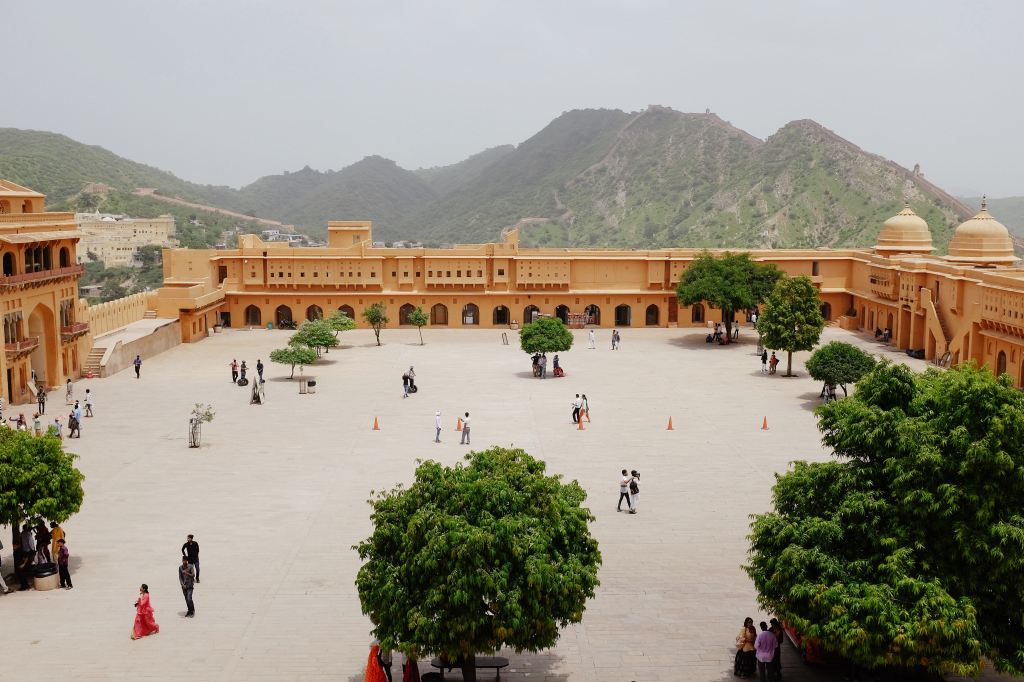
Situated in the midst of the beautiful and rough Aravalli Hills, Amber Palace is a not-to-be-missed spot to in Jaipur. The establishment stone of this royal residence was laid by Raja Man Singh I and was finished by Mirja Raja Jai Singh. The dumbfounding excellence of the red sandstone and white marble adds to the brilliance.

While the high impressive dividers safeguarded its inhabitants from adversary assaults, the principle working of the fortification served its kin with every one of the extravagances and amenities.The grand setting of the Maota Lake and all encompassing perspectives on dawn and dusk add to the endless excellence of this royal residence. Complicated divider canvases, frescos and the utilization of valuable diamonds and gems in these compositions add to its ageless excellence.

Sheesh Mahal or the ‘Royal residence of Mirror’ is likewise one of the enamoring corridors to visit inside Amber Palace. Embellished with various bits of mirror tiles, this lobby was planned in such a way, even a solitary beam going into it can enlighten the whole corridor.

Nahargarh Fort Jaipur

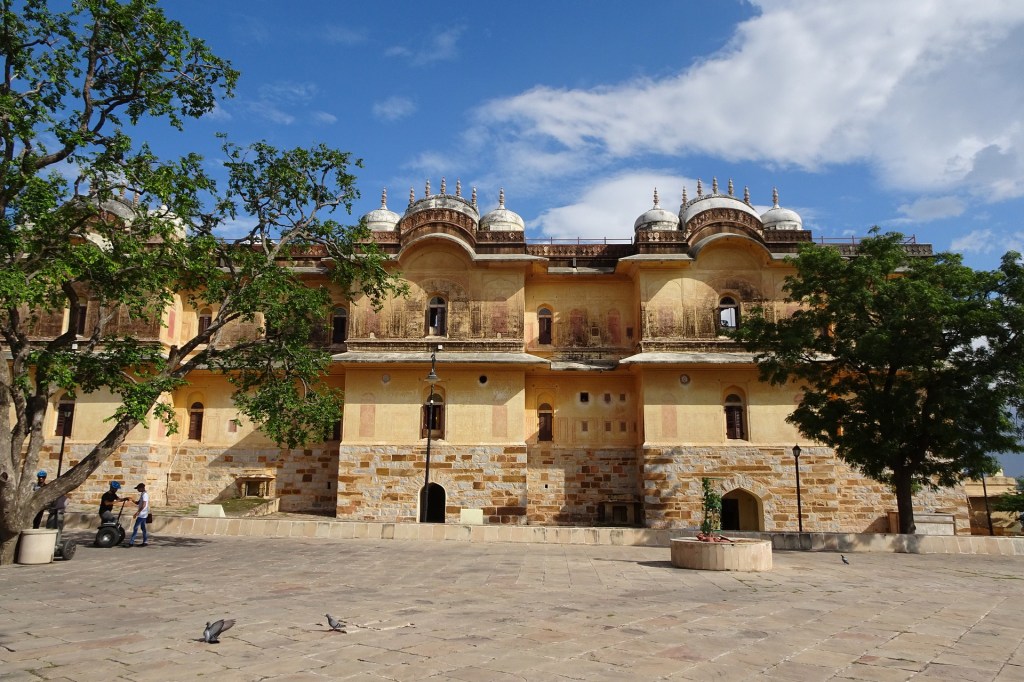
To get an all encompassing perspective on Jaipur city, Nahargarh Fort is the perfect spot to visit. Worked by Jai Singh II, Nahargarh Fort was initially named Sudarshangarh and was later renamed as Nahargarh or the Abode of Tigers. The then Maharaja of Jaipur developed this fortress so as to fix the security of the area. It likewise filled in as a wellbeing asylum to the British spouses during the Sepoy Mutiny of 1857.

Situated on the rough edge of Aravalli Hills, Nahargarh Fort offers the most striking perspective on Jaipur’s grand scene. During the night, when the whole Jaipur city gets lit up, Nahargarh Fort offers the most shining perspective on the whole city.

Rooms in this post are associated through regular passages and are very much enriched with fragile divider and roof works of art. The imperial families likewise utilized this fortress as a mainstream goal for their mid year trips and as one of their cookout spots in Jaipur. Wildernesses around Nahargarh Fort filled in as famous chasing places for the Maharajas of Jaipur.

Palace of the Winds, Hawa Mahal,

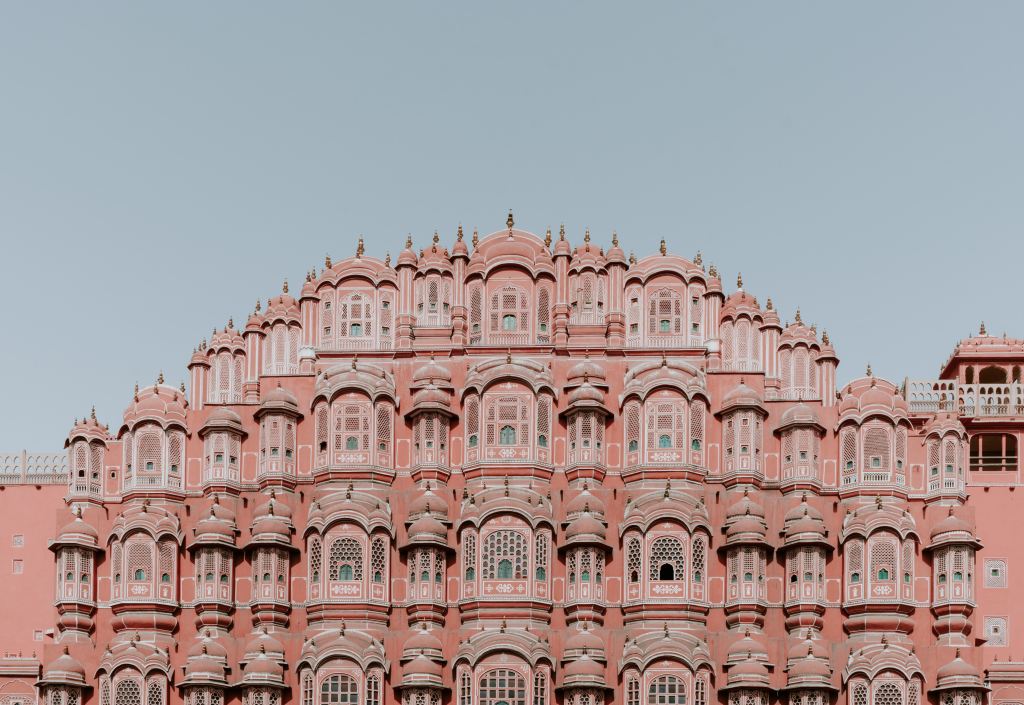
Hawa Mahal or Palace of the Winds, or additionally called Palace of the Breeze, is one of the significant spots to visit in Jaipur. Worked by Maharaja Sawai Pratap Singh in 1798, Hawa Mahal is a five-story augmentation as a honeycomb. This remarkable structure has 953 little windows, called jharokhas, embellished with complex latticework. The whole castle speaks to the crown of the Hindu God, Lord Krishna.

Despite the fact that this royal residence was worked during antiquated occasions, it mirrors the logical vision of Maharaja Sawai Pratap Singh in an unmistakable manner. The windows of this castle have been planned so that independent of the time or period of the year, cool wind consistently continues inside the royal residence. Because of this explanation, Hawa Mahal was the most loved summer occasion goal of the Rajput family and is today a mainstream spot to visit in Jaipur.

Another motivation behind this royal residence was to keep untouchables from getting a look at the illustrious ladies. The amazing cross section of windows were structured such that it permitted a reasonable perspective outwardly world to the insiders, yet confined outcasts from having the option to gaze inside the royal residence.

Jal Mahal

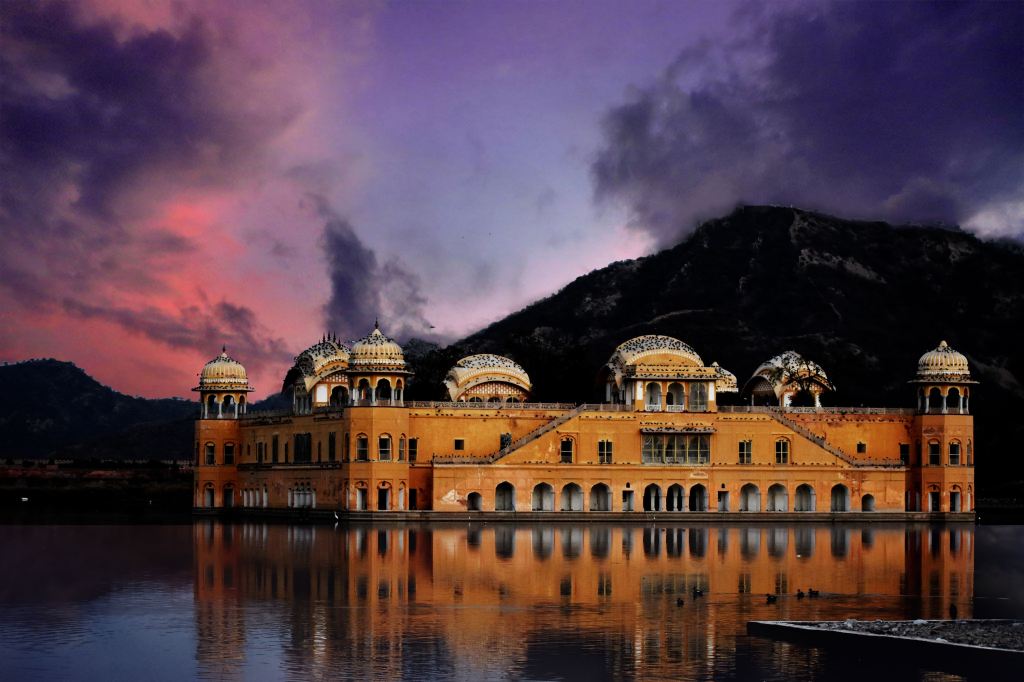
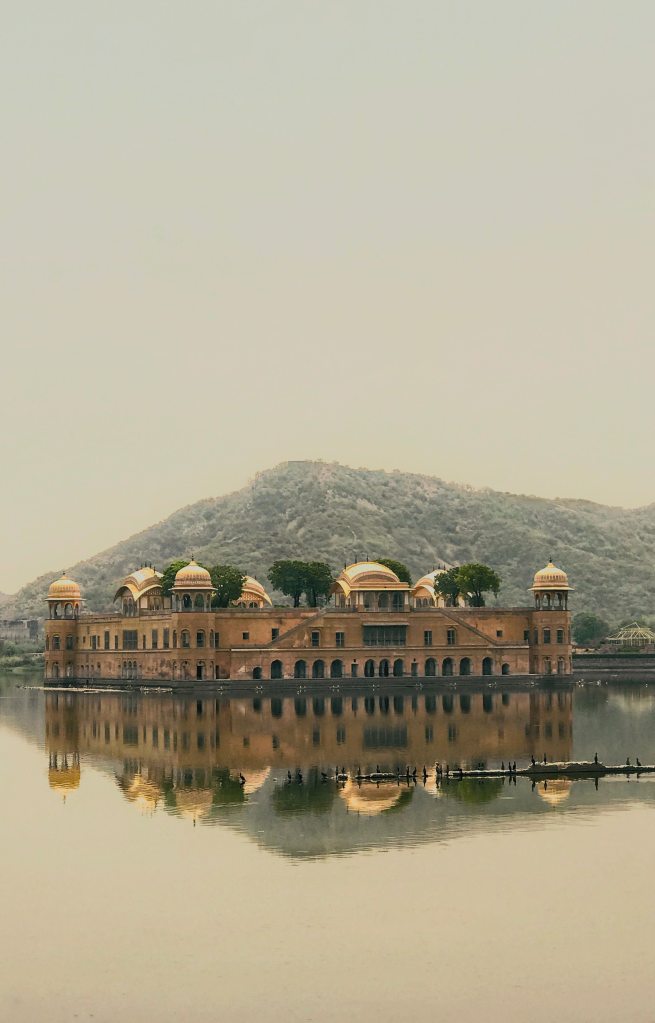
It was during the Rajput period that India has seen a portion of the wonderful strongholds and royal residences. Jal Mahal or the Water Palace is one of the great names in the rundown of Rajputana engineering.

Situated in the Man Sagar Lake, this royal residence is additionally a combination of Mughal and Rajput styles of engineering. Worked in red sandstone, Jal Mahal is a five-story working, of which four stories stay submerged when the lake is filled. This, thus, offers an amazing perspective on the royal residence and makes it one of the significant Jaipur vacationer puts so on the off chance that you are in Jaipur, Jal Mahal is one of the must visit puts in the visit list.

Since the castle is situated in the lake, conventional pontoons are utilized to arrive at the royal residence. The unmistakable water of the lake and the beautiful Aravalli mountain run spotting this castle, offer a wonderful perspective on Jal Mahal.

The area of Jal Mahal makes it an indigenous home to a portion of the bright transient winged creatures, a few types of fish and rich widely varied vegetation. Flamingo, Great Crested Grebe, Pintail, Kestrel, Coot and Gray Wagtail are a portion of the transitory winged creatures that can be found around Jal Mah

India

Taj mahal

It is an early on visit for first time travelers in Quite a while, offers most appropriate schedule incorporates city voyage through three recorded urban areas of India, for example, Delhi, Agra and Jaipur. Visit of three mystical urban areas of northern India in particular Delhi, Agra and Jaipur is called Golden triangle voyage through north India. It has some well known alluring traveler sights of India. Triangle suggests geological area of these three urban areas on the guide of India that structures a triangular shape when you draw a line interfacing urban areas to one another. For the most part brilliant triangle visit goes for 06 to 08 days beginning from Delhi offers well known vacation destinations of India, for example, Red fortification, Taj Mahal, Fatehpursikri, Amber Fort.

Brilliant triangle visit incorporates the visit of incredibly different urban areas of Old and New Delhi, the capital city of Rajasthan, prevalently known as pink city-Jaipur offers eminent fortifications and royal residences and the world most delightful marble constructing the unique Taj Mahal. Visit begins from Delhi, later it goes to the well known sights of Agra and Jaipur and comes full circle in Delhi. This is the most frequented visitor circuit in India since it shows the incredible social amalgamation and giving a decent range of India’s various scenes. Each of the three significant vacationer goals of this visit have parcels to offer to the guests. If it’s not too much trouble keep an eye out for a portion of the significant attractions of the visit

Spots TO SEE IN DELHI:

Delhi is separated into two sections.

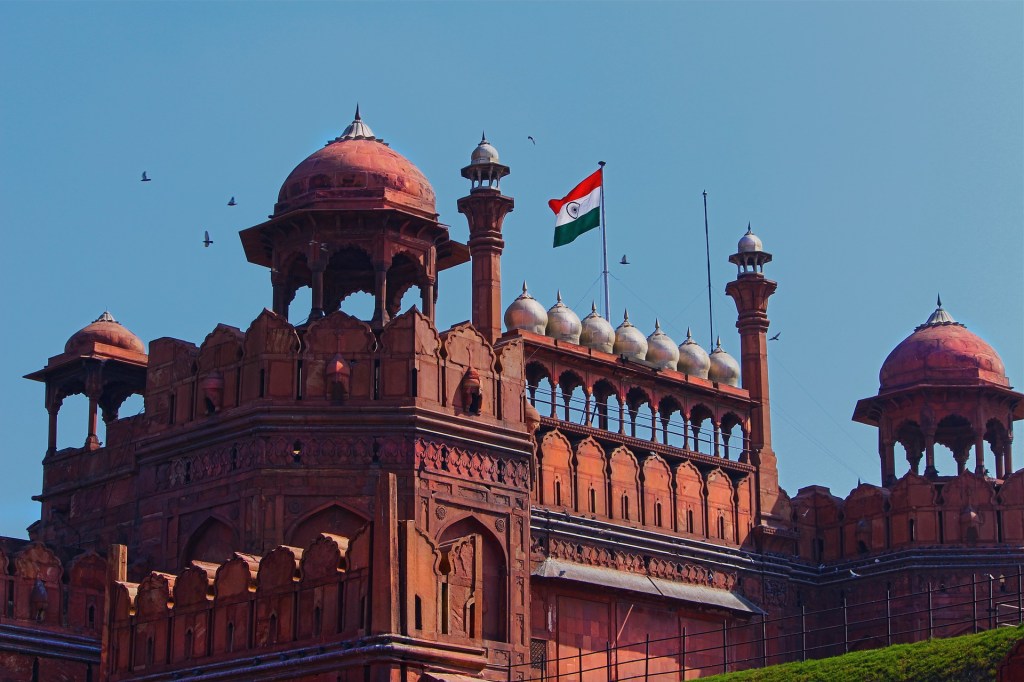
Old Delhi : Red Fort, Jama Mosque, Chandni Chowk and Rajghat

New Delhi : Jantar Mantar, Rashtrapati Bhawan (The Official Residence of President of India), India Gate (A war dedication to pay tribute to Indian fighters who kicked the bucket in world war first and Afghan war), Humayun’s Tomb, Qutb Minar and Lotus Temple.

Spots TO SEE IN JAIPUR:

Hawa Mahal : most unmistakable landmark of Jaipur. The 5 celebrated dazzling semi-octagonal landmark having 152 windows with over hanging latticed overhangs is a fine bit of Rajput engineering.

Jantar Mantar : An Observatory

City Palace :

Amer Fort : The fortress is noteworthy as much for the great greatness of its surroundings with respect to its strong Battlements and excellent castles

Jaigarh Fort and Nahargarh Fort

Choki Dhani : (An ethnic Rajasthani Village)

Spots TO SEE IN AGRA:

Taj Mahal : One of the miracle of the world, is the sepulcher of the Mumtaz Mahal and furthermore one of the extraordinary engineering wonders on the planet. A perfect encapsulation of affection and devotion, the Taj Mahal was worked by the fifth Mughal Emperor, Shahjahan in 1630 after the passing of his darling Mumtaz Mahal

Red Fort: The Red Fort in Agra remains on the banks of the waterway Yamuna making it very predominant in The entire zone.

Fatehpur Sikri: An Abandoned City, Built by the Mughul sovereign Akbar in 1571

Brilliant Triangle Tour is the most sold out visits in India since it is short and displaying different attractions of its sort that are unique, for example, Red fortification in Delhi , Amber Fort in Jaipur and Taj Mahal in Agra. It tends to be customized according to the guest’s decision. It begins from Delhi and next goal can be chosen by guests to go to either Agra or Jaipur. There are numerous augmentation visits accessible to Golden triangle visit, for example, expansion to Udaipur, Amritsar, Nepal, Ranthambore, Khajuraho and Varanasi.

motivation and Purpose

Purposes behind voyaging incorporate recreation, tourism or vacationing, investigate travel, the get-together of data, visiting individuals, volunteer travel for philanthropy, relocation to start life elsewhere, strict pilgrimages and strategic, business travel, trade, driving, and different reasons, for example, to get wellbeing care or pursuing or escaping war or for the pleasure in voyaging. Explorers may utilize human-controlled vehicle, for example, strolling or bicycling; or vehicles, for example, open vehicle, autos, trains and planes.

Thought processes in movement include:

Pleasure

Unwinding

Disclosure and exploration

Intercultural communications

Setting aside close to home effort for building relational connections.

safety travel

See additionally: Air wellbeing and Automobile security

Voyagers in a British Airways 747 plane. Air travel is a typical methods for transport.

MS Skania ship in the port of Szczecin

Specialists stress the significance of playing it safe to guarantee travel safety.[12] When voyaging abroad, the chances support a protected and occurrence free outing, be that as it may, explorers can be dependent upon challenges, wrongdoing and violence.[13] Some wellbeing contemplations incorporate monitoring one’s surroundings,[12] abstaining from being the objective of a crime,[12] leaving duplicates of one’s identification and schedule data with trusted people,[12] acquiring therapeutic protection legitimate in the nation being visited[12] and enrolling with one’s national government office while landing in a remote country.[12] Many nations don’t perceive drivers’ licenses from different nations; anyway most nations acknowledge universal driving permits.[14] Automobile protection approaches gave in one’s very own nation are frequently invalid in outside nations, and it is regularly a prerequisite to get impermanent accident protection substantial in the nation being visited.[14] It is additionally fitting to get situated with the driving-rules and – guidelines of goal countries.[14] Wearing a safety belt is profoundly prudent for security reasons; numerous nations have punishments for damaging safety belt laws.[14]

There are three fundamental measurements which might be utilized to think about the wellbeing of different types of movement (in light of a DETR review in October 2000)

Travel Etymology

The cause of “travel” is in all probability lost to history. The expression “travel” may start from the Old French word travail, which signifies ‘work’. According to the Merriam Webster lexicon, the primary known utilization of the word travel was in the fourteenth century. It additionally expresses that the word originates from Middle English travailen, travelen (which intends to torment, work, endeavor, venture) and prior from Old French travailler (which intends to work strenuously, drudge). In English we still once in a while utilize the words “travail”, which means battle. As indicated by Simon Winchester in his book The Best Travelers’ Tales (2004), the words “travel” and “travail” both offer a much progressively antiquated root: a Roman instrument of torment called the tripalium (in Latin it signifies “three stakes”, as in to skewer). This connection may mirror the extraordinary trouble of movement in antiquated occasions. Travel in present day times might possibly be a lot simpler relying on the goal. Travel to Mount Everest, the Amazon rainforest, extraordinary the travel industry, and experience travel are progressively troublesome types of movement. Travel can likewise be increasingly troublesome relying upon the strategy for movement, for example, by transport, voyage dispatch, or even by bullock cart.

Design a site like this with WordPress.com
Get started