A Monumental Ode to Love

Taj Mahal, Agra

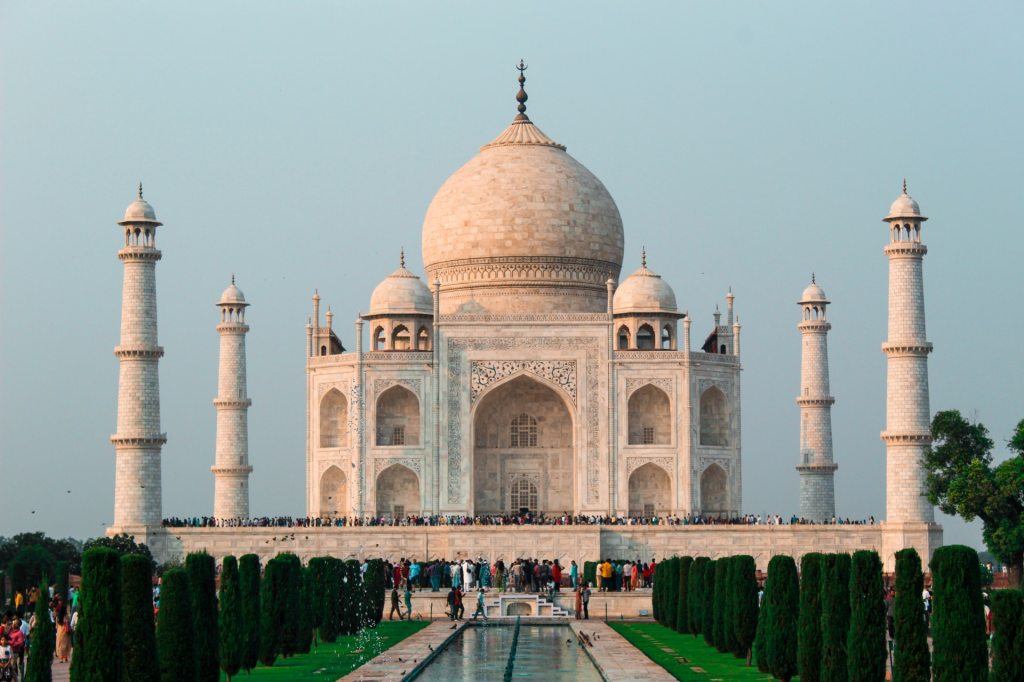
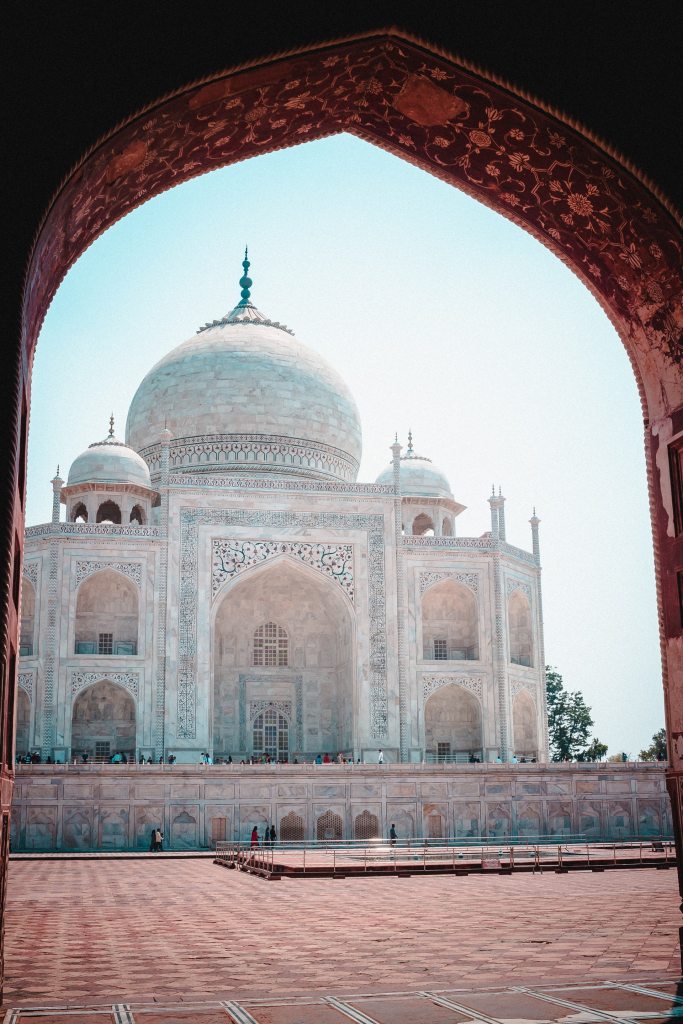
What is broadly considered as the most delightful structure on the planet, Taj Mahal is situated in the chronicled city of Agra. It was worked by the Mughal Emperor Shah Jahan as a remembrance for his third spouse, Mumtaz Mahal. Built totally out of white marble in the seventeenth century, it is among the best buildings of Mughal engineering. Perceived by the UNESCO as a world legacy site, this landmark is likewise viewed as one of the seven marvels of the cutting edge world. Consistently guests numbering more than the whole populace of Agra go through the wonderful doors to get a look at this amazing landmark, and just a couple of leave baffled. Shah Jahan said about the Taj that it made “the sun and the moon shed tears from their eyes”.

The Taj Mahal represents the Crown of Palaces in the Persian language. It ascends from the residue beaten earth of Uttar Pradesh, yet even the most stunning minds leave guests underprepared for this world miracle. Covering a territory of roughly 42 Acres, the Taj Mahal was built utilizing white marble got from Makrana in Rajasthan.

Rabindranath Tagore depicted it as “a tear in the cheek of forever” while Rudyard Kipling said it is “the epitome of everything unadulterated”. The development of the Taj Mahal started in 1631 and took 17 years before it was finished in 1648! The tomb is spread out in a rectangular shape and can be drawn nearer through a monstrous portal which has a curve and niches on either side of it. The Taj, so superb from the outside, has similarly astonishing aesthetic work done in the insides. There are water diverts and wellsprings in the passageway which makes the landmark considerably progressively astounding. The impression of this lofty exhibition in the Yamuna is practically beautiful in its flawlessness!
Tips For Visiting

  1. Taj Mahal can be gotten to through three entryways. Visit bunches enter through the east and west doors and autonomous voyagers through the south entryways. The east entryway has the most brief lines. There are independent lines for people at all three doors.
  2. Cameras and recordings are allowed. In any case, photography is denied inside the primary sepulcher .
  3. Remember to recover your free container of water (500ml) and shoe covers which are remembered for the ticket cost.
  4. You can store your baggage for nothing adjacent to the ticket workplaces and furthermore get a sound guide for INR 118.
  5. Guests are permitted to utilize free Wi-Fi web access inside the compound for 30 minutes, and afterward they will be charged at INR 30 every hour after the half hour is finished.

Best time visit

The best time to visit Taj Mahal is unarguably the dawn when it looks the most lofty. This is additionally the most agreeable time to visit due to less groups. Another otherworldly time to visit the Taj is the nightfall. You can likewise visit it for five evenings around the full moon. The section tickets for this time is restricted however, and it must be purchased a day ahead of time from the Archeological Survey of India office

Taj Mahal Garden

The nursery that decorates the landmark of affection, starting from the door and spreading crosswise over to the base of the catacomb is one of the main features of visiting Taj Mahal. The idea of this nursery (prominently known as Paradise Garden), worked in the Persian Timurid style, was acquired by Babur. An exceptional trait followed while developing this nursery is the utilization of the number four and its products. This was done as four is considered as the holiest number in Islam. The charming nursery is partitioned into four sections, with two marble channels studded with the wellsprings involving the inside. Each quarter segment of the nursery has 16 flowerbeds every one of which was planted with 400 plants. The Taj Garden swarms with rich trees, peeping flying creatures, organic products, blossoms and evenness, connoting the conceptual significance of heaven. This interesting setting makes for a magnificent background for those ideal shots.
The Spiritual Capital of India

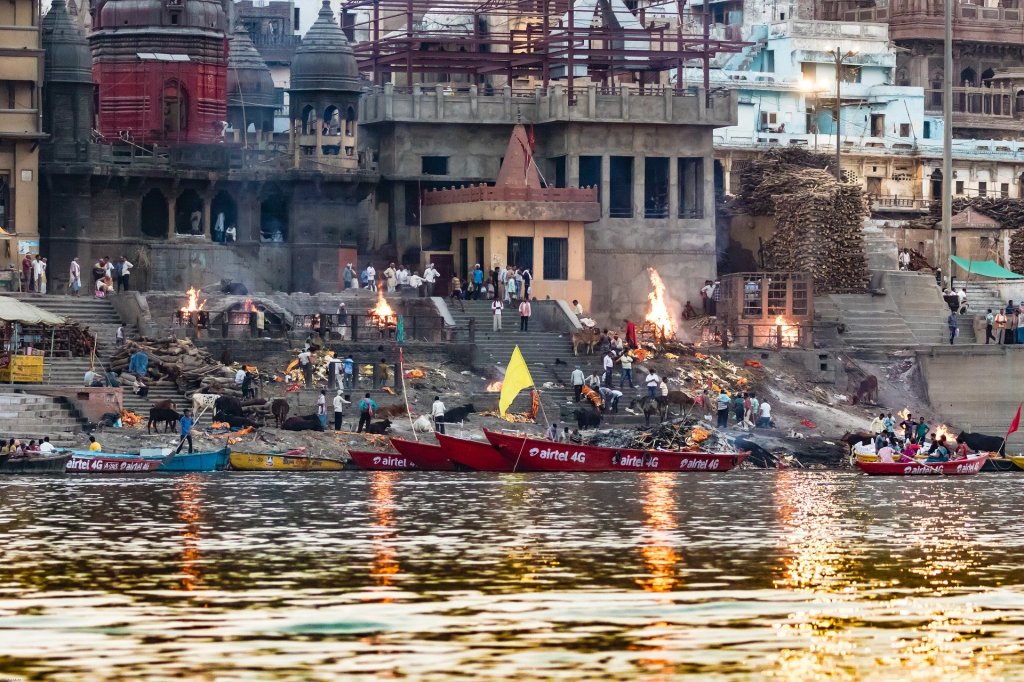
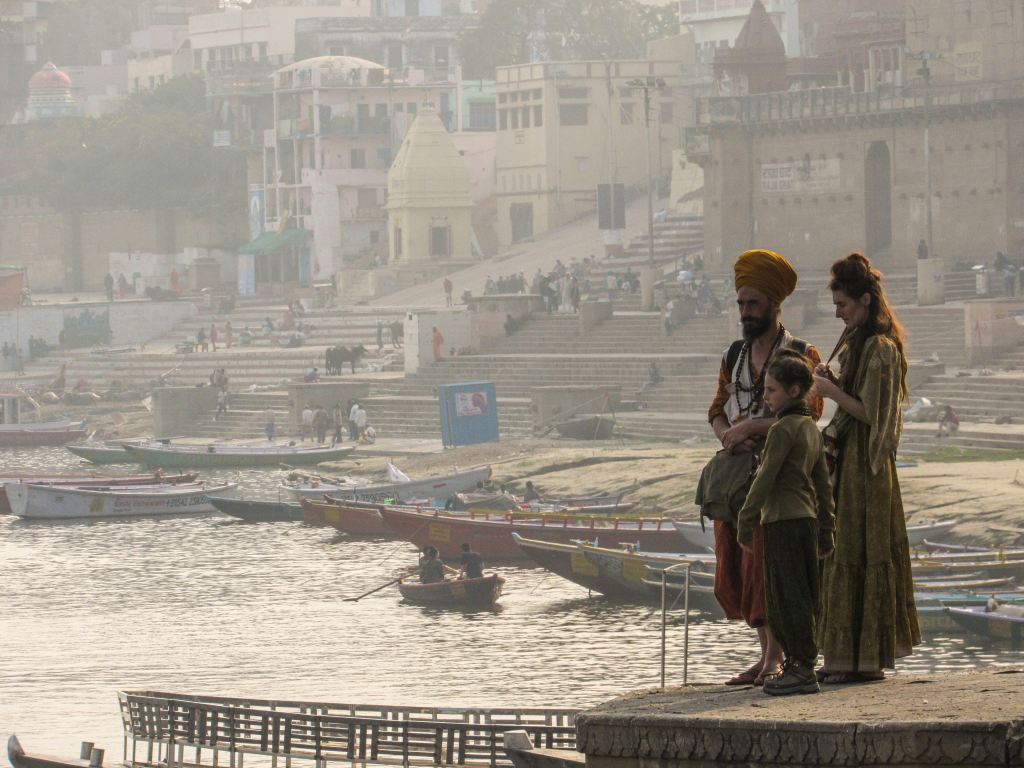
World’s most seasoned living city, Varanasi charms and amazements its guests concurrently. Otherwise called Kashi (City of Life) and Benaras, this profound capital of India is one of Hinduism’s seven blessed urban areas. The old city of Varanasi sits along the western banks of the Ganges, spread over a maze of rear entryways called galis which are unreasonably restricted for the traffic to go through – be set up to stroll by walking and experience some heavenly dairy animals! There are sanctuaries at pretty much every turn in Varanasi, yet the Kashi Vishwanath Temple is the most visited and the most established of the part (Benaras is known as the city of Lord Shiva for an explanation, and which is all well and good).

Varanasi is viewed as a propitious spot to bite the dust, as it is accepted to give moksha or freedom from the cycle of life and demise. Profoundly illuminating and fabulously photogenic, the core of the city throbs around the ghats, around 80 of which outskirt the Ganges – be set up for the sights, sounds and scents! All confusion and commotion on the ghats take an interruption when the Ganga Aarti happens after nightfall, a service of massive greatness. This awesome city is likewise a significant goal for Buddhists. Gautam Buddha lectured his first lesson in Banaras, a section which is currently in Sarnath. Average of any Indian city, the nourishment here is a heavenly collection of dishes – don’t pass up the hot chaat and cool lassi.

Deep, Sacred, Spectacular – Kashi is one of the most blindingly vivid and frustratingly turbulent urban communities you will at any point run over. Be that as it may, on the off chance that you are prepared for it, the voyage through Banaras will burst in your memory, long after you’ve left its shore! Varanasi is India in the entirety of her brilliance, as it has been for a great many years, and as it will be for a thousand more.

Culture of Varanasi

Varanasi has been a piece of Indian civilisation since the get-go. Progressive realms have made this city their exchanging and social center point, and this has carried the city into contact with an expansive scope of societies. From the early administrations like Mauryas and Guptas to the Medieval time of Mughals and later on the British Empire, Varanasi has been exposed to the impact of Greek, Hindu, Islamic, Buddhist, Christian and Jain lifestyles. Countless landmarks at present remaining in and close to the city are a demonstration of this differing past. Varanasi was additionally an exceptionally affluent city for quite a while, and the glory of the Ghats, open spaces and places of love mirror this.

Suggested Itinerary

Varanasi is a city of strict significance and is clamoring with visitors consistently of the year. Famous for the Benarasi paan, aloo puri, chaat and a wide range of road nourishment; Varanasi additionally has a ton of delightful spots for touring.

Day 1

You can begin your visit by visiting the strict structures of Banaras. Start by going to New Vishwanath Temple situated in the premises of Benaras Hindu University. You can likewise have a look at the widely acclaimed college.

Famous for its rich assortment of Indian works of art, Bharat Kala Bhawan Museum is situated inside the premises also. Spend the remainder of the day visiting different sanctuaries Kathwala Temple is well known for engineering and woodwork. The most established and most celebrated one is Kashi Vishwanath Temple, it is one of the 12 Jyotirlingas in Hindu religion. You can end the day by seeing the most significant occasion of Varanasi-the Ganga Aarti, ideally on the Dashashwamedh ghats.

Day 2

An outing to Varanasi is deficient without a ride on the vessels, in the flashy ghats. You can start day 2 somewhat early and go sailing to observe the entrancing dawn. Sailing at first light is one of the most energizing and exciting encounters of the city. You can commit the last 50% of the day to Ramnagar Fort. It is the most famous landmark of notable significance in Varanasi. Albeit a little in ruins and out of support, you can even now amazement at the delightful works of art and improvements in the Darbar Hall inside the stronghold.

Day 3

Commit the third day to visit the well known Sarnath, found 10 km away from Varanasi. It is where Buddha gave his first lesson. The spot has various Buddhist sanctuaries, deer park intricate, an exhibition hall, dhamek stupa and remains of Buddhist cloisters. You can reach there right on time to dodge the group and welcome the serenity of the spot and the excellence of the Buddha relics.

Coorg The Scotland of India

Situated in the midst of forcing mountains in Karnataka with an interminably cloudy scene, Coorg is the spot to be for all nature sweethearts. This mainstream espresso delivering slope station isn’t well known for its wonderful green slopes and the streams slicing directly through them. It likewise remains as a famous goal due to its way of life and individuals. The Kodavas, a nearby faction work in hand to hand fighting, are particularly eminent for their sharp cordiality.

Coorg, formally known as Kodagu, is the most rich slope station in Karnataka. It is outstanding for its amazingly intriguing landscape and lavish greenery. Woodland secured slopes, zest and espresso manors just add to the scene. Madikeri is the locale’s inside point with all transportation for getting around beginning from here. On a visit to Coorg, spread the lovely towns like Virajpet, Kushalnagar, Gonikoppal, Pollibetta, and Somwarpet, and experience the delightful idea of “homestays” to make your experience increasingly vital!

Kodava Culture

The Kodavas (a nearby group in Coorg), are viewed as totally the most neighborly individuals. What makes Coorg as a vacationer goal better, is the way that the Kodavas are notably not the same as different societies. For example, it is said that going to a Kodava marriage, wherein the function is directed not by a cleric however by the older folks of the two families, is considered as an enhancing experience. The marriage happens after the cutting of banana stumps by an agent. Moving starts on innate beats and instruments post the dining experience. The idea of “Kanyadaan” is missing. The Kodavas likewise happen to be distinctive in view of their diverse dressing style. For example, the ladies wear their saris in an alternate manner wherein the creases are tucked at the back, and the last detail of the sari is drawn under the left shoulder and verified over the right. This people group likewise happens to be creature and predecessor admirers, and have various celebrations praised, the most significant of which are: Puthari (gather celebration), Kail Polud (commending end of the paddy transplanting season), and Kaveri Sankramana (praising the introduction of the stream Kaveri). The Kodavas, a combative techniques race, lay a great deal of significance on their weapons, and consequently have a celebration committed to them – Keil Podh.

Coffee Plantations

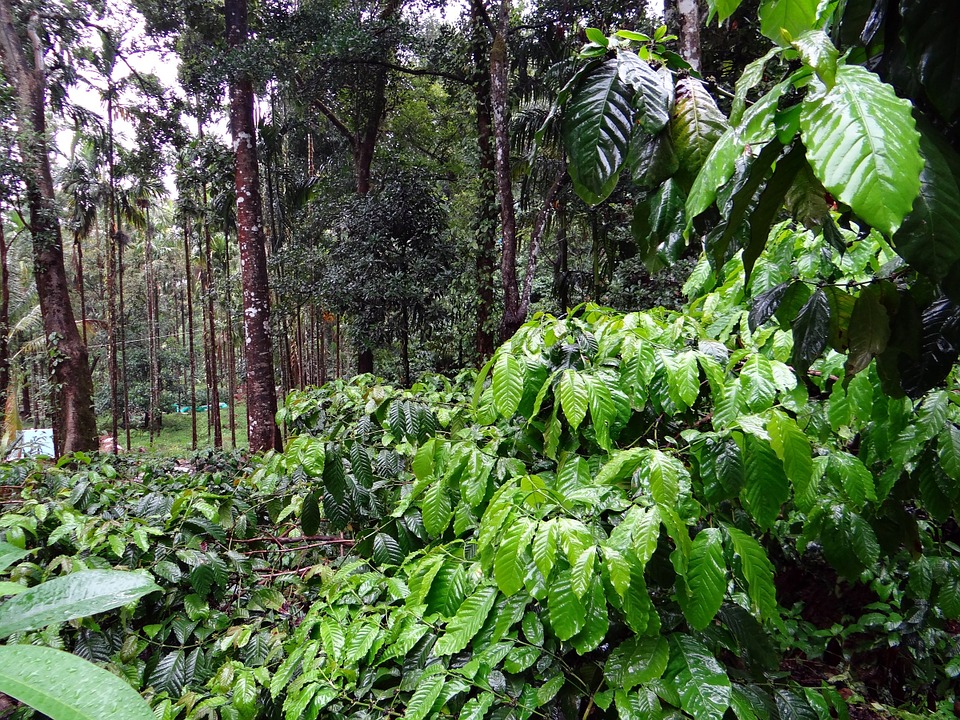
On the off chance that there is one thing that characterizes Coorg the best, at that point it must be the endless magnificent fields of espresso estates. Coorg is probably the most elevated maker of espresso in India. You should visit the Tata estate trails of espresso in Coorg and appreciate the newly fermented espresso produced using the new cocoa beans. To pick up the best experience you can likewise decide to remain at one of the hotels found right in the focal point of espresso fields. The espresso developed in Coorg is evidently the best gentle espresso on the planet, as it is developed in the shade. Coorg is mainstream for the manor of ‘Arabica’ (which requires an elevation of 3,300 feet to 4,900 feet over the ocean level), and ‘Robusta’ (requiring a height of 1,600 feet to around 3,300 feet over the ocean level). It is fundamental for espresso to be developed around a ton of trees and shade, as it would forestall soil disintegration. Coorg has around 270 types of trees recorded. A perfect downpour of 60 to 80 inches is required for the manor of espresso. Freezing climate isn’t appropriate for the development of espresso. The temperature perfect for the development of espresso is between 23 degrees Celsius, and 28 degree Celsius.

Best time to visit

September to June is the best time to visit Coorg. In any case, in the event that you need to go for trekking, October to March is the best time to visit Coorg. During the rainstorm long periods recently July and August, it is ideal to abstain from visiting because of substantial precipitation and avalanches.

Restaurants and food

Coorg is the home of valid Kodava cooking. Like most regions in and around the town, the platter rotates around the staple rice. A claim to fame of the zone is Sannakki, a fragrant sort of rice. Non-vegan arrangements of pork, meat and fish are likewise well known.

Other neighborhood top picks incorporate Akki Oti (Rice chapatis), a gigantic assortment of Pattus (a steamed dish), Pulvas, arrangements of pork, dried fish, crab meat, Baimbale Curry (a readiness of Bamboo Shoots), Kumm Curry (a planning of wild mushrooms) and Chekke curry (made utilizing unripe jackfruit). Additionally locate a wide scope of prodding chutneys here, just as remarkable pickles of pork, fish, mushrooms, harsh orange and delicate bamboo.

Various cafés likewise serve numerous vegan dishes alongside common Indian, Chinese, Continental and Tibetan foods just as well known South-Indian cooking comprising of dishes like dosa, vada, idli, sambhar and rasam.

Another beauty of India is North Sikkim

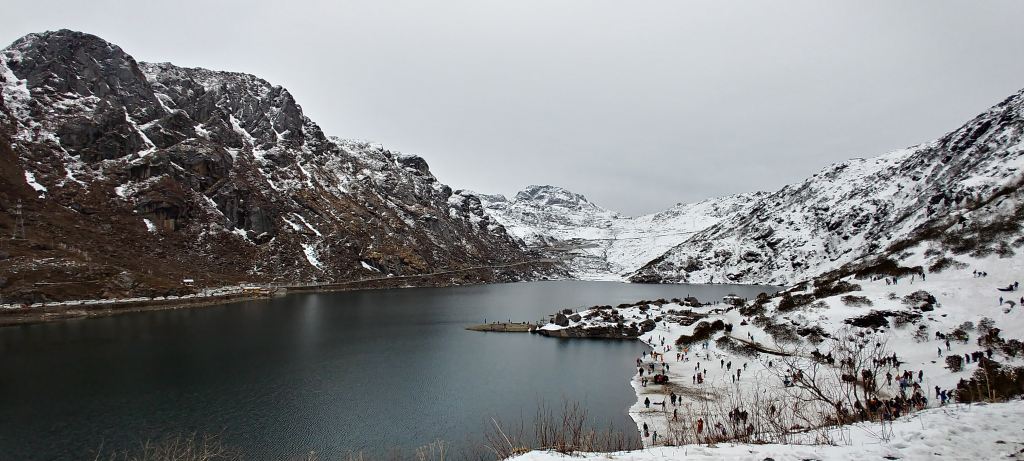
One of the most uninhabited territories of the nation, yet very wonderful and beguiling, North Sikkim imparts its limit to China and Nepal.

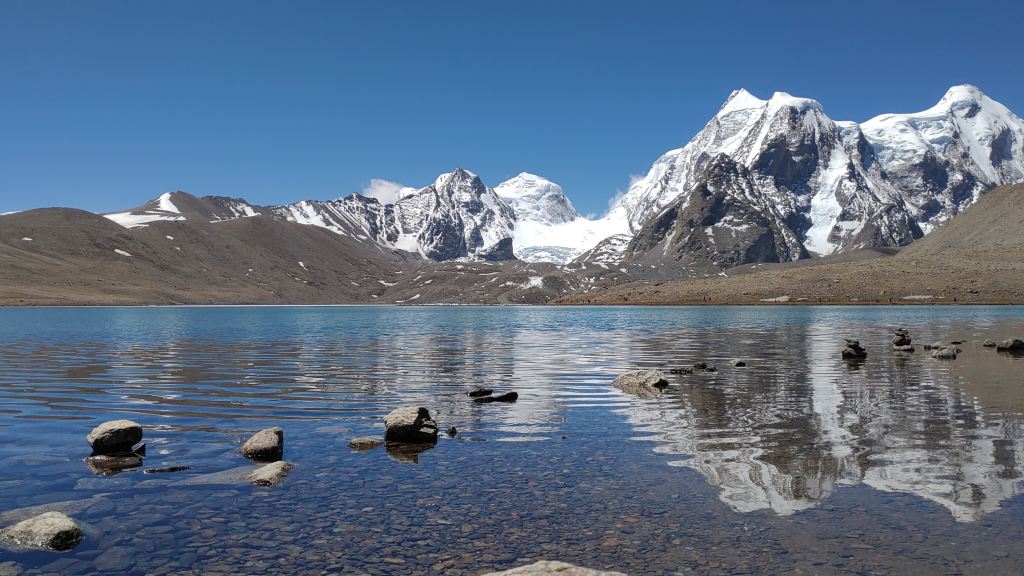
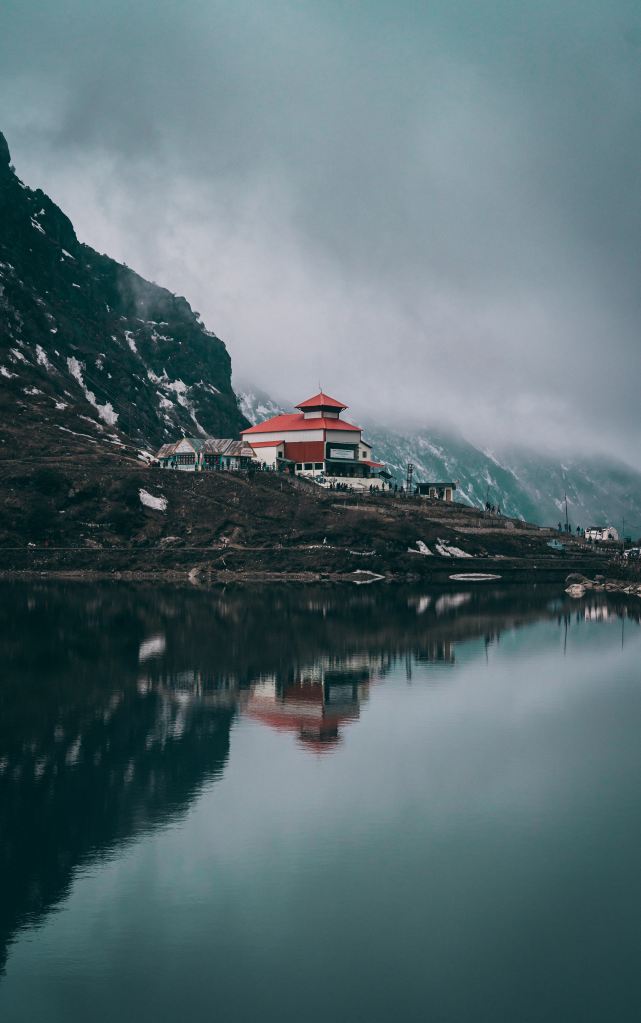
Mangan is the base camp of the North Sikkim region. It is one of the most supernaturally delightful however unexplored regions because of the brutal conditions found here. Situated at an elevation of 956 meters the town of Mangan fills in as a base for trekking and climbing trips in the mountains and woodlands. North Sikkim is popular for the Gurudongmar Lake which is probably the most elevated pool of India. It likewise has strict significance. Aside from lakes, there are some significant religious communities here as well.

Heaven on Earth

North-Sikkim is a region situated in the province of Sikkim. Out of the four regions of Sikkim, North-Sikkim is biggest and the least populated. It is additionally the region headquarter of Mangan. North-Sikkim offers an astonishing perspective on picturesque excellence with its scene loaded with magnificent mountains, thick backwoods, a few superb cascades and obviously the climate. The pinnacles of the Himalayas can be seen from here, particularly the pinnacle of the Kanchenjunga, the most elevated pinnacle of the Himalayas. North-Sikkim is commonly limited to voyagers and explorers because of its area on the India – China outskirt. You would require allows so as to travel there.

Delightful wildflowers and blossoming trees that territory the region encompassing the streams and waterways just add to its appealing appeal. The Khangchendzonga National Park is one of the significant attractions in North-Sikkim. The Red Panda is a local of North-Sikkim. It is the State Animal of Sikkim. The Shingba Wildlife Sanctuary is likewise based here. North-Sikkim is a one of a kind goal and vows to give you an altogether different encounter than some other excursion. You can either impart in English or Hindi as the movement aides and drivers are knowledgeable in both these dialects.

Restaurants and  Food in North Sikkim

The food of the region stays really consistent in steady over the state as far as fixings, styles and mainstream things. The towns are separated somewhat as far as nourishment with a couple of delights in or out of the menu. Momos and an assortment of Thukpa stay staple while you can attempt various aged nourishments here, for example, Gundruk and Sinki, Chhurpi soup, Tama curry and Masauyra Curry.

bother your taste buds a little with the pickles accessible here, for example, Shimi ko Achar, Silam ko Achar, Sidra ko Achar and then some. Different arrangements incorporate Khalo Dal, Saelroti, Sishnu Soup, Chang and that’s just the beginning.

best time to visit North Sikkim

The best time to visit North Sikkim is the long stretches of May to September. The temperature is moderate with a limit of 28-30 degree celcius. The climate in North Sikkim is without a doubt cold or possibly cool consistently. It encounters gentle to substantial precipitation during the long periods of July and September. The climate during the winters is extremely cruel with the temperatures tumbling to below zero and it isn’t fitting to visit this town during this time. In any case, while arranging your excursion to this stupendous area, your schedule will assist you with choosing precisely which season is best for your visit, however many are of the conviction that the late spring a long time of April and May give the best results to outings to this locale.

Dawki, Cherrapunji, towards Meghalaya

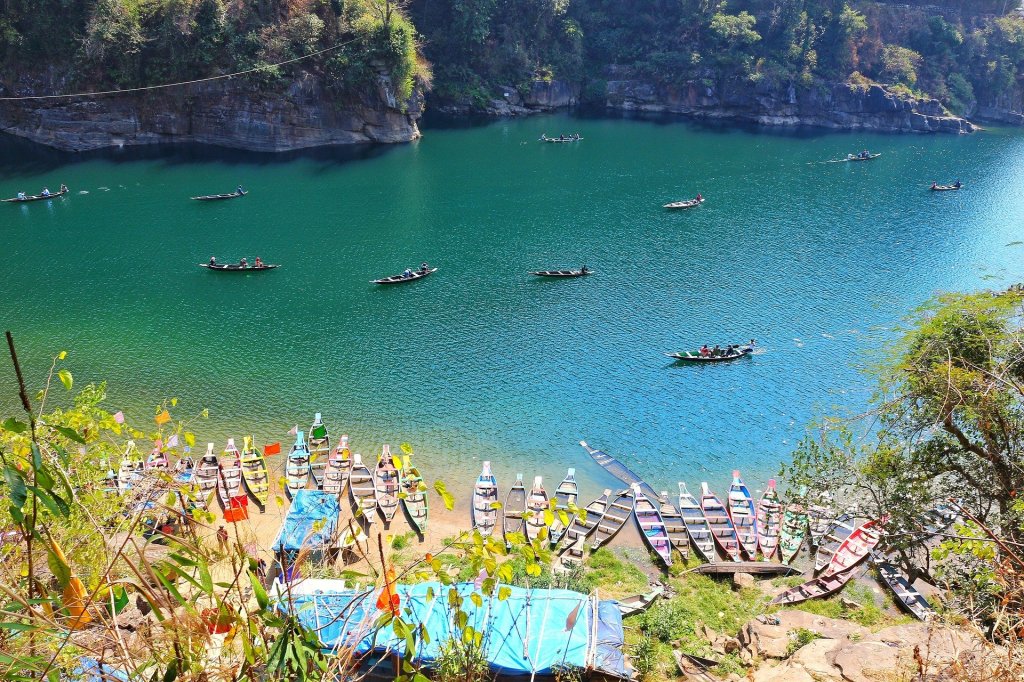
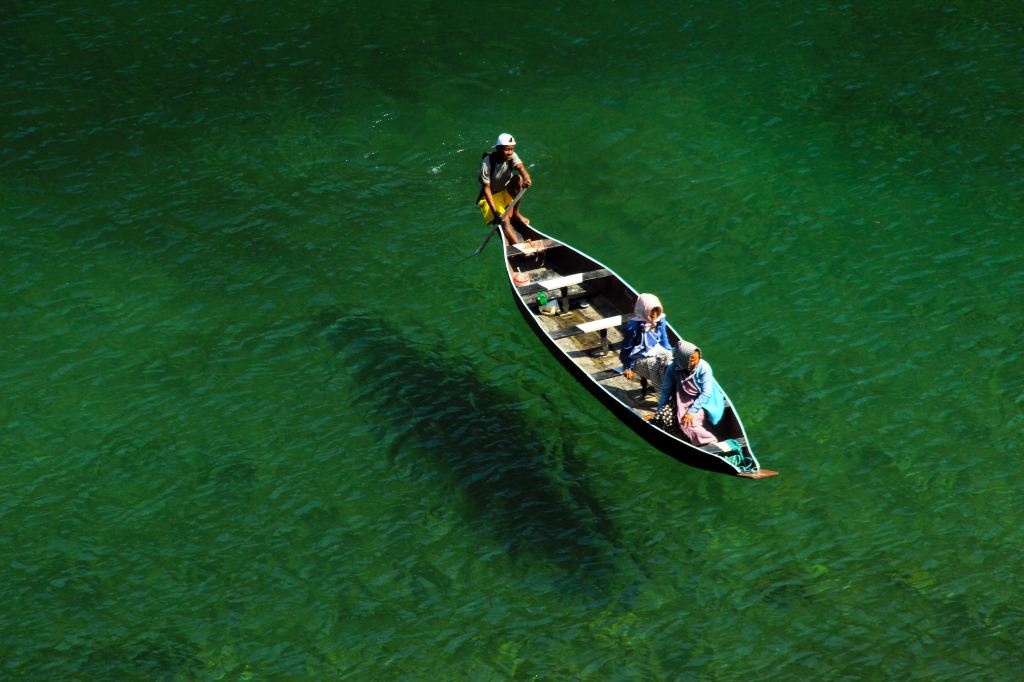
A little bordertown in the Jaintia Hills, Dawki and its acclaimed stream Umngot is an unquestionable requirement visit if in Meghalaya. Sandwiched among India and Bangladesh, Dawki is a significant focal point of exchange among India and Bangladesh. The little city, other than being an exchange center point is additionally popular for its travel industry scene, with numerous individuals rushing to the city all together experience a vessel ride in its renowned Umngot River and appreciate the close by sights and sounds

The city turns into a hotbed of traveler exercises particularly throughout the spring a long time as it has the vessel riding rivalry on the Umngot River. The encompassing greenery, the virus water of the waterway and the excellent suspension connect on the River Umngot make Dawki a spot worth a visit.

Best time to visit Dawki

Dawki is an all year goal with lovely atmosphere all year. The town by prudence of being situated in the Jaintia Hills is honored with magnificence and greenery. Winters are generally colder than summers and in this way some kind of comfortable dress will be required particularly during evening time. Generally temperatures stay charming all through.

Nightlife At Dawki

Shillong is known as the Rock capital of the nation and the night life in this visitor focus is truly astounding with numerous dance club, bars and eateries serving music and liquor.

Sample Itinerary For Dawki

Dawki is an ideal day trip from Shillong. Take the Car Ride from Shillong to Dawki, go through a day under its beguile and tail it with an excursion to Khasi.

Restaurants Near Dawki

Dawki doesn’t have a rambling business sector to offer to its guests and in this way there is absence of acceptable eateries however one can discover some dhabas along the course from Dawki till Shillong offering nearby cooking styles.

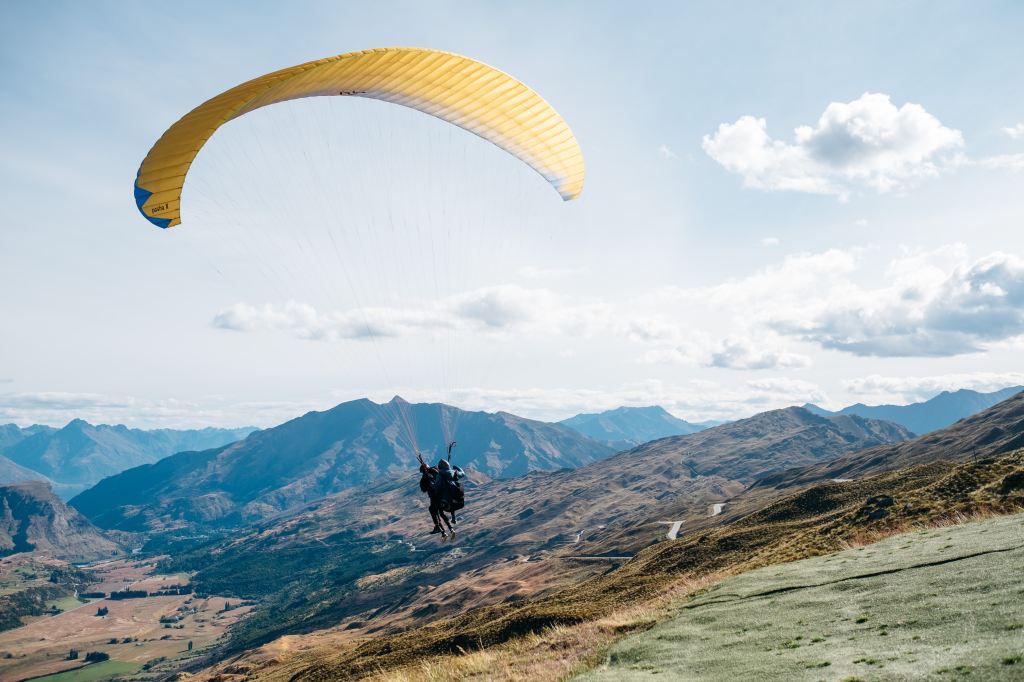
place of Paragliding in Kamshet

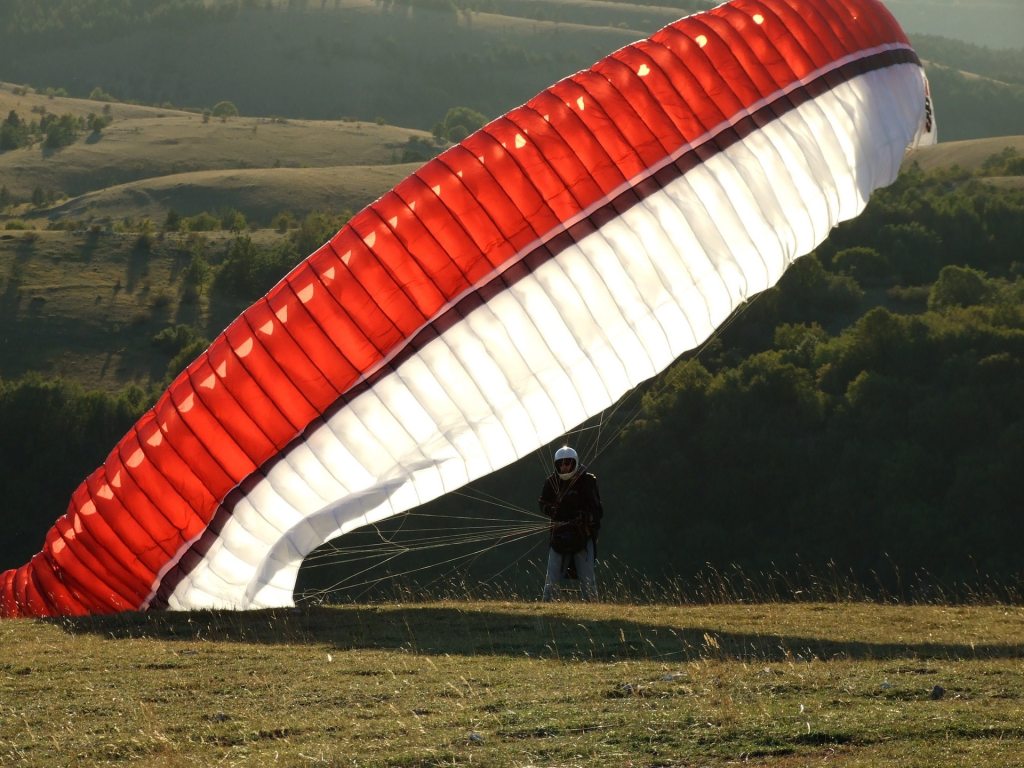
Kamshet is one of the top spots in India to encounter the vibe of paragliding completely. With much experienced floating schools and coaches, Kamshet is that center for parasailing where you can securely enjoy the game and make it one of the most reclassifying encounters of your life.

Kamshet gives paragliding chances to all sort of individuals, including paragliding schools for apprentices and the individuals who need to become familiar with the game appropriately. Nirvana experiences is the most well known gathering here which sorts out and runs programs for paragliding. There are a couple of other experience exercises like stone climbing and water sports which are sorted out here. There are a couple of paragliding spots here including Shinde Wadi Hills, Kondeshwar Cliff, Tower Hill and Shelar.

Medical fitness

Watch your respiratory framework. In the event that you have breathing issues, kindly don’t attempt this action.

General tips

Wear garments which enable the bridle to be twisted safely. They ought not be excessively tight or excessively free.

Possibility of stayover

It is conceivable to discover lodgings in Kamshet in the event that you need to absorb the spot. Be that as it may, Pune is the nearest center point to Kamshet, only 45 kilometers and a two-hour drive away. Thus, in case you’re keen on remaining over at the city following a day of experience, even that is a practical choice.

Safety Tips

Pick schools which are affirmed and offer great wellbeing gear. Prior to beginning the movement, ensure your wellbeing gear is set up. Tell your educator if there should arise an occurrence of any glitches or inconvenience.

How to reach Paragliding

Air: Pune is the nearest air terminal to Kamshet in the event that you wish to fiddle with this action from far away.

Rail: Kamshet can be come to effectively by rail by getting any of the trains from Pune Junction. The adventure takes around 2-3 hours. Kamshet is likewise available via trains from Mumbai which take 4 hours on a normal.

Street: One can take taxis or transports from Pune or Mumbai and take on an intriguing voyage to Kamshet which just takes a couple of hours and offers astonishing perspectives in transit.

Gateway of India

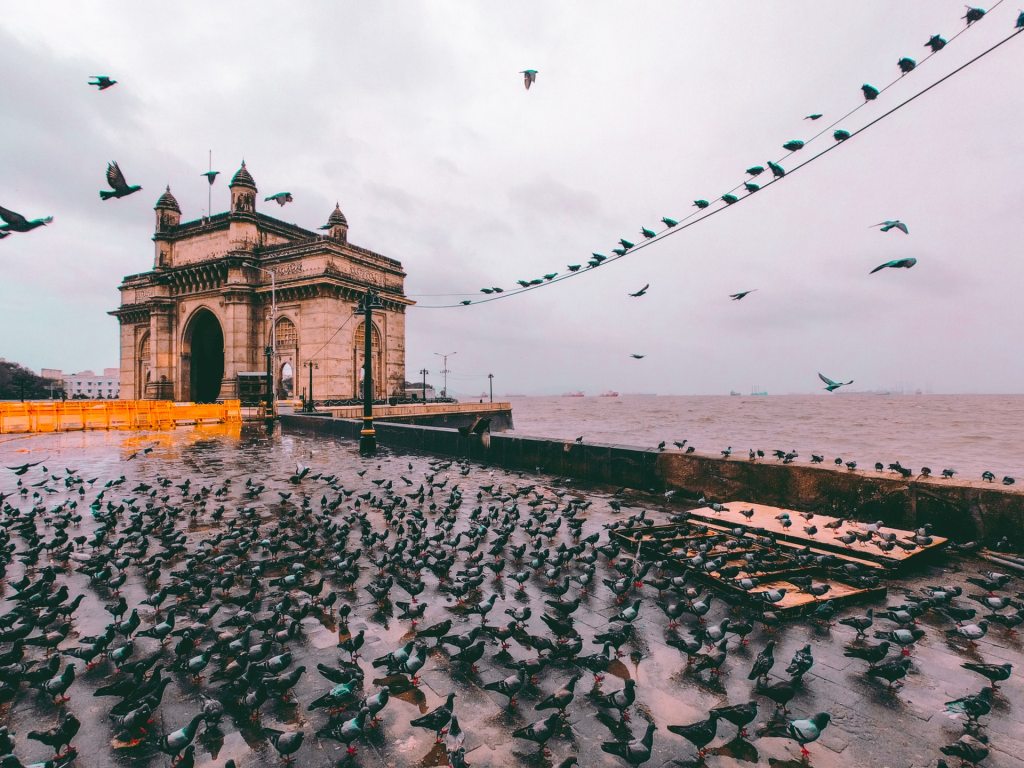
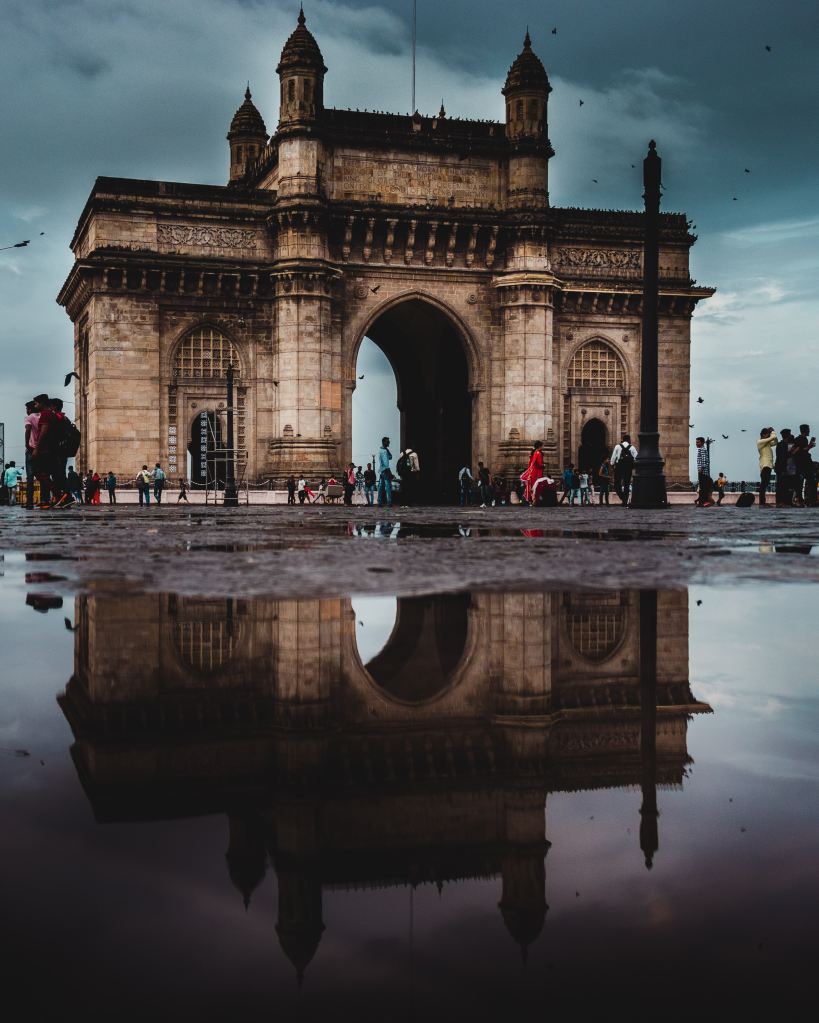
The Gateway of India is, without question, one of the most well known traveler hotspots of Mumbai. Sitting gladly on the Apollo Bunder, it disregards the Arabian Sea. It is one of the characterizing landmarks of the city of Mumbai and was worked in the year 1924. The development was embraced by the well known draftsman George Wittet, to honor the visit of King George V and Queen Mary to Mumbai. The impressive structure of the landmark is a delightful juncture of Indian, Arabic and Western engineering and has become a mainstream traveler center point in the city. It is additionally the beginning stage of various ship benefits that handle to the notable Elephanta Caves.

Nicknamed ‘Mumbai’s Taj Mahal’, the establishment of this milestone was laid in 1911 and it was introduced 13 years after the fact in 1924. The structure in itself is a made of yellow basalt and strong cement and is decorated with various Muslim and Hindu themes also. The basalt curve of the Gateway filled in as the passage and leave access to India through conduits before autonomy and was the leave point from where the last British ship left India for England. There are statues of Swami Vivekananda and Chhatrapati Shivaji that have been introduced close to the Gateway also. The view from the ocean of the Gateway complex, particularly around evening time is very ethereal and lovely. The Gateway of India is consequently, a notable relic as well for instance of sublime engineering in itself!

History of gateway of india

The land on which the Gateway presently stands once had a place with a wharf that was basically utilized by the angling network of the territory. Considering its to be as an arrival zone, it was redesigned to fill in as a wharf for British governors. Before sufficiently long, it was concluded that a stupendous passage will be worked here to invite King George V and Queen Mary to Mumbai, and the establishment of the equivalent was set down March 31, 1913, by the Governor of Bombay, Sir George Sydenham Clarke. In any case, the last plan of the Gateway was just endorsed on March 31, 1914, by George Wittet. The developments officially started in 1920 and it took very nearly four years to finish the development of the landmark. On 4 December 1924, the Gateway of India was introduced by the Viceroy, the Earl of Reading.

Design and Structure

Worked in Indo Saracenic style, the Gateway of India was structured by Scottish draftsman George Wittet. The structure is a mix of Hindu and Muslim building impacts alongside a Roman triumphal curve, which remains at a tallness of 26 meters. It is worked of yellow basalt and concrete and the stone was sourced locally. The curve is flanked by two huge lobbies that have the ability to suit upwards of 600 individuals. Then again, the focal vault of the entryway is motivated from Muslim design style and has a distance across of 48 feet with the pinnacle arriving at 83 feet. The passage additionally has fastidiously planned honeycomb structures which further help four towers that award an exceptional evenness to the exterior. Steps behind the passage give an extensive perspective on the Arabian Sea also

Ferry Timings

An exceptional encounter offered here at the Gateway is that of ship rides, through which you can appreciate the perspective on this landmark directly from the ocean. These vessel rides are short relaxation rides and take you on a journey of the considerable number of attractions close by. The principal vessel from here leaves at 9 a.m. what’s more, can cost anyplace between INR 55 to INR 110 for each head, with both the beginning and end point being the Gateway of India. Various ship rides to other well known attractions, for example, Elephanta caverns and Alibaug are likewise accessible:-

  1. Elephanta Caves

Flight of the principal vessel: 9:00 a.m. after which normal pontoons are accessible at regular intervals.

Flight of the last pontoon: 2.30 p.m.

Charges per head: INR 120.00 per individual, INR 10 extra for setting off to the highest point of the ship deck

  1. Alibaug

Various administrators give this administration and are definite as follows:-

I. PNP

Takeoff timings: 8:10, 10:10, 12:10, 14:10, 16:10, 18:30

Charges per head: INR 150

ii. Ajanta

Takeoff timings: 6:15, 7:15, 9:15, 10:00, 11:00, 12:30, 14:00, 15:00, 16:00, 17:00, 17:30

Charges per head: INR 85 (Main Deck)

iii. Maldar

Takeoff timings: 8:45, 11:45, 13:45, 15:45, 16:00

Charges per head: INR 135 (Main Deck), INR 135 (Upper Deck)

Mini Switzerland of India

Khajjiar 

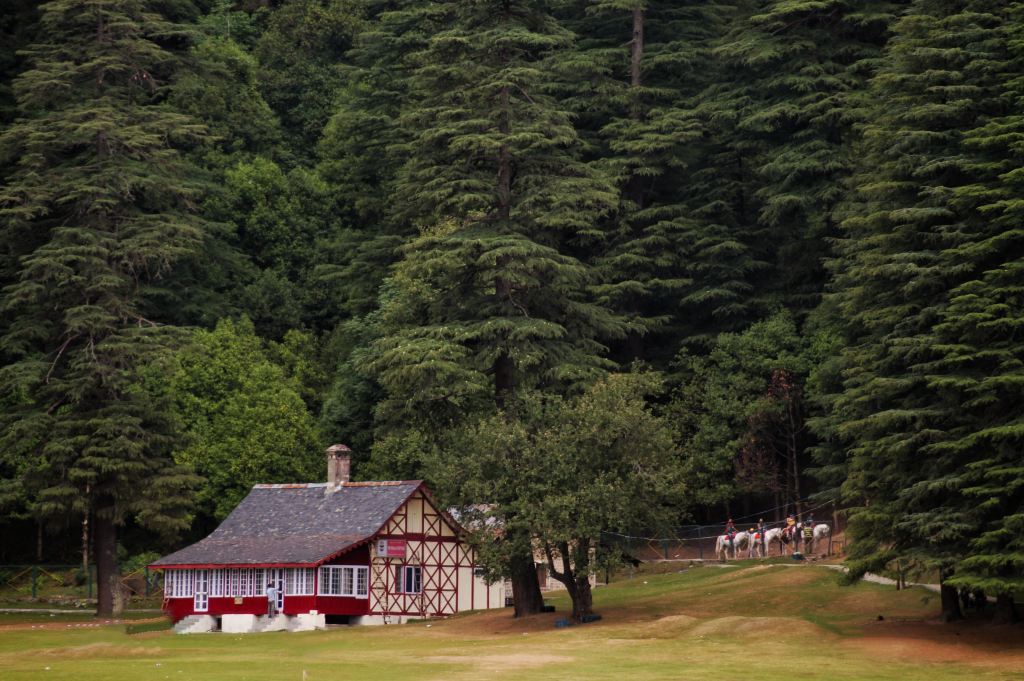
Regularly alluded to as ‘smaller than expected Switzerland of India’, Khajjiar is a community close Dalhousie which gives travelers an extraordinary mix of backwoods, lakes and fields.

The entrancing excellence of this spot has enormously impacted and motivated numerous realms consistently, including the Rajputs and Mughals. Situated at an elevation of 6,500 feet, the characteristic excellence and pleasant scene of this spot will undoubtedly leave an everlasting impact on a vacationer. Khajjiar is known for its nine-opening fairway which is settled amidst rich greenery and a stunning scene. Khajjiar is a little level which additionally has a little lake which is one of the most supported places of interest in this town. Khajjiar is encompassed by green glades and thick woodlands and it is likewise known for its lovely sanctuaries. This area likewise pulls in experience searchers and has a ton of alternatives in experience sports like paragliding, horse riding, zorbing, trekking and so on. Khajjiar is an unquestionable requirement visit place for everybody coming to Dalhousie and its close by districts. Be that as it may, the best approach to Khajjiar can be shut here and there during winters on account of overwhelming snowfall

Mini Switzerland 

Because of its land likeness with Switzerland, Khajjiar is ofter called the’ Mini Switzerland’ of India. This saucer formed green glade is immersed by Deodar trees and has a lake in the center. On July 7, 1992, Khajjiar was known as the ‘small Switzerland’ by the then Vice-Counselor and Head of the Chancery of Switzerland in India, Willy Blazer. He likewise put a sign board which demonstrated the separation among Khajjiar and Swiss capital-Bern. He took a stone from Khajjiar to be introduced in the stone arrangement around the Swiss Parliament to continually help individuals to remember Khajjiar as the ‘Smaller than usual Switzerland’.

Local Food and Restaurants in Khajjiar

The decisions for nourishment and cooking styles here isn’t actually intricate and choices will in general be constrained. There are only a couple of cafés here that serve Indian nourishment. The lodgings, resorts and hotels ordinarily have more assortment. Other than these one can attempt the noodles and soup that various road joints here, serve and are said to be very famous.

The Golden City Jaisalmer

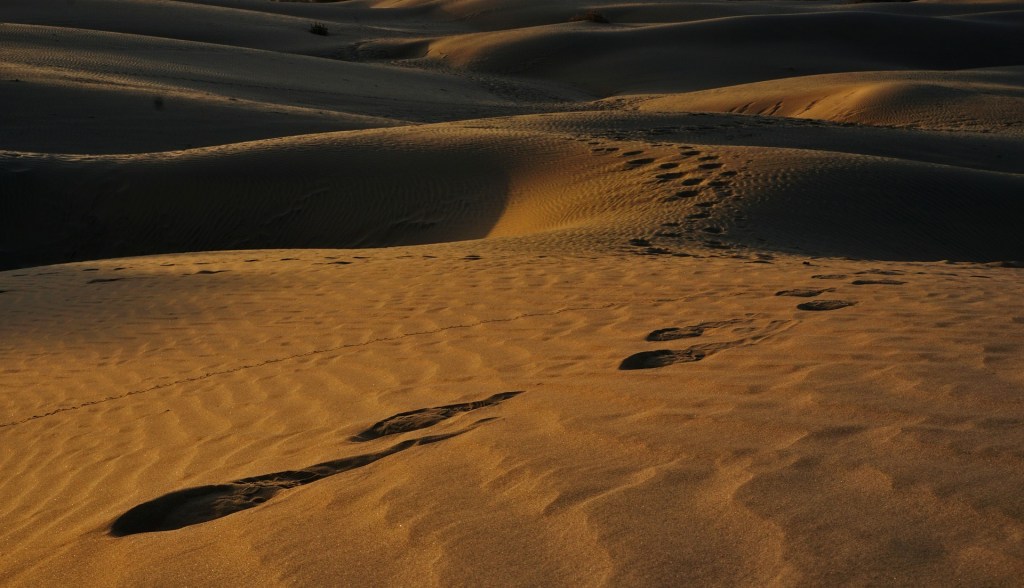
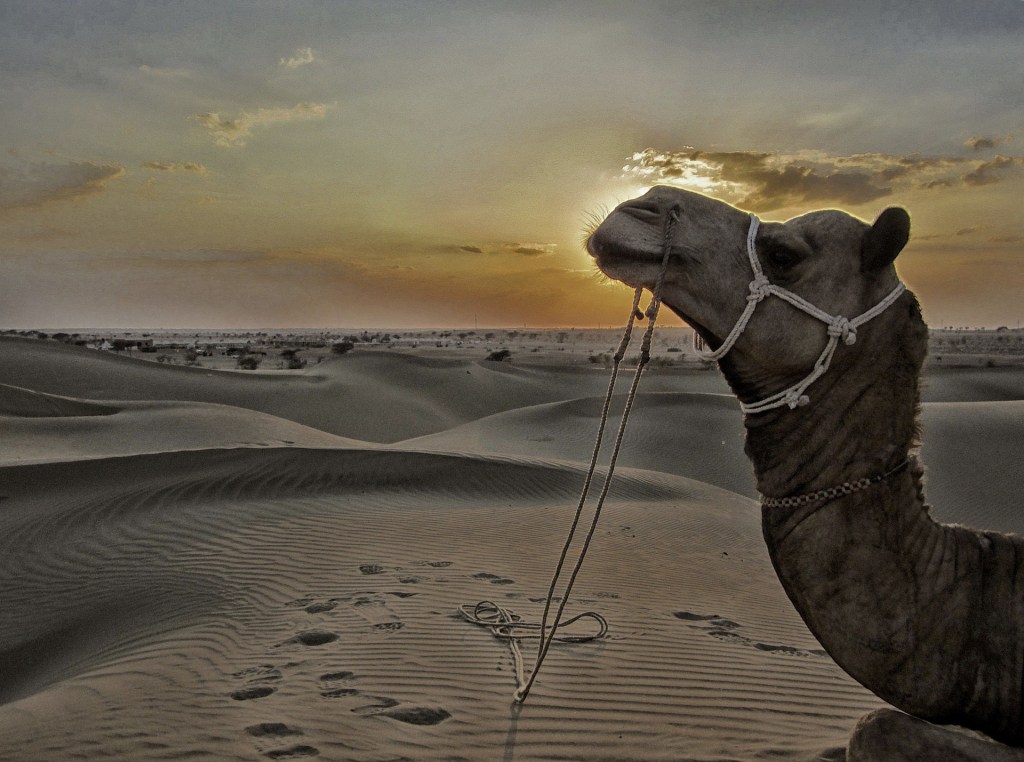
Jaisalmer is a significant place of interest situated in the northwestern province of Rajasthan in India. It is known as the ‘brilliant city’ because of its bounteous brilliant ridges and strongholds clad in brilliant nectar sandstone. Jaisalmer is decorated with lakes, lavish Jain sanctuaries and havelis. Hop on to the camel seat and clear your path through this desert or camp under the night sky in this brilliant land for an extraordinary encounter.

The Jaisalmer Fort remains as a stronghold and is encompassed by thin rear entryways occupied by individuals dwelling there for ages. With shops selling beautiful crafted works and havelis that will make you travel back in time, Jaisalmer is an amalgam of colorful Indian desert culture, legacy and experience.

History of jaisalmer

Jaisalmer was established by Raja Rawal Jaiswal (of the Bhatti tribe), in the year 1156 A.D. Raja Rawal Jaiswal, was vigilant for another spot to fabricate another capital, as he didn’t locate the one in Lodhruva a sheltered one. Hence, while investigating a slope known as the Trikut Hill, he got to know a solitary sage, Eesul. When Eesul became more acquainted with that Jaiswal was descendent of the Yaduvanshi group, he portrayed a fantasy to the last mentioned, as indicated by which, Lord Krishna had made a prescience expressing that one day a relative of his family would build up a realm here. Supported by this, Rawal Jaiswal built up a realm here, which inevitably came to be known as Jaisalmer (which signifies “The Hill Fort of Jaisal”). Jaisalmer turned into a prime spot in light of its area. It fell in the middle of the significant exchange courses which associated India with Persia, Egypt and Africa. In the medieval occasions, when the Bhattis assaulted a parade of Allauddin Khalji, it brought about an attack led by the last on Jaisalmer, which went on for eight long years. In the long run, when it turned into sure that the Bhattis would be crushed, around 24,000 ladies of Jaisalmer submitted Jauhar. Jaisalmer was at long last reoccupied by the Bhattis in the fifteenth century.

The Golden City

Jaisalmer is a desert town canvassed in brilliant sand and having camels in bounty. The Jaisalmer Fort remains as a crown on the city and gives a delightful differentiation to the scene. It likewise has a lake and numerous lovely sanctuaries, all made of sandstone. Jaisalmer is the most significant vacation spot in Rajasthan.

shoping in Jaisalmer

Jaisalmer is very well known for the inquisitive that it offers. An outing to Jaisalmer would mean a necessary outing to its popular “bazaars”. This lovely city has a wide scope of items to offer like rugs, covers, articles of clothing and bangles weaved with mirrors, stonework items, oil lights, and in particular, silver adornments! “Sadar Bazaar”, being the most well known market of Jaisalmer, offers a mouth-watering assortment of shawls, dupattas with reflect work, adornments, and results of stonework. Other such markets are: Manak Chowk, Seema Gram (has the entirety of the administration shops like “Khado Gramodyog Bhandar”, which will spare you a great deal of cash as the items are sold at government-endorsed rates), Pansari Bazaar (the most seasoned bazaar of Jaisalmer which work in the selling of manikins), and Bhatia Bazaar. In the event that you are searching for a great gems shopping experience, the best spot to visit is “Sonaron ka Baas”. As the name proposes, this market offers a wide assortment of gems in gold and silver, just as semi-valuable stones. In this way, Jaisalmer is clearly a spot to whet the craving of the considerable number of shopaholics (and unquestionably the non-shopaholics too)!

Pushkar Lake in Rajasthan

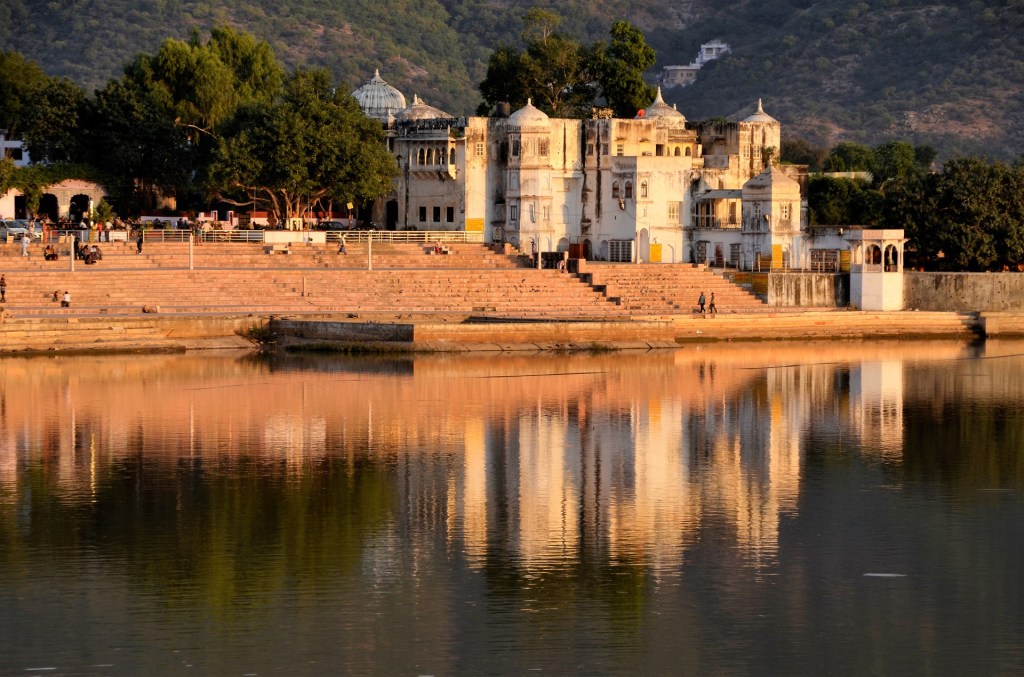
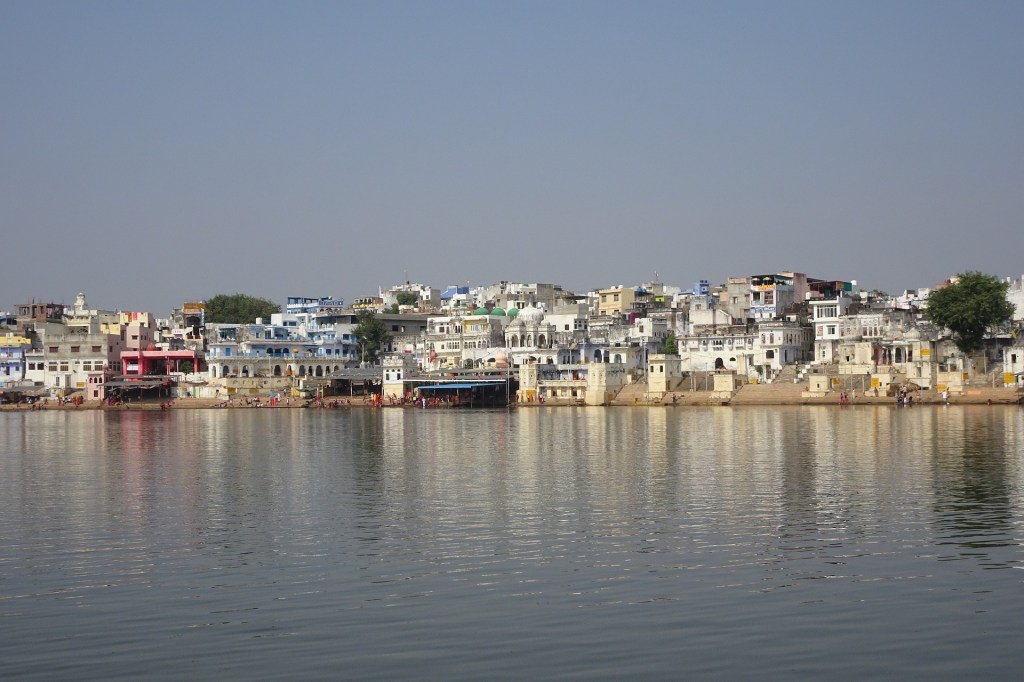
Pushkar lake roosted in the midst of the Aravalli extends in Pushkar, Rajasthan. Encompassed by 52 washing ghats ( a trip of steps prompting the water) and more than 500 sanctuaries, it is viewed as the sacrosanct lake for the Hindus in India where explorers crowd in enormous numbers to clean up.

As indicated by Hindu religious philosophy, there are five hallowed lakes all in all called Panch-Sarovar to be specific Mansarovar, Bindu Sarovar, Narayan Sarovar, Pampa Sarovar and Pushkar Sarovar. Among these, Pushkar Sarovar or Lake is the most critical. It is accepted that the lake was framed where petals of Lord Brahma’s lotus fell when he was decimating Vajra Nabha.

Situated in the most established city of Pushkar which is frequently called as ‘Tirtha-Raj’ or the lord of journey, the presence of the lake returns one to the second century BC. The lake observes a great many aficionados rushing here due to the conviction that the popular waters of the Pushkar wash away the wrongdoings of the entire life. On the holiest day of Kartik Poornima, a plunge in the lake is viewed as equivalent to the advantages accumulated by performing yajnas (fire-penances) for a few centuries.

pushkar lake at Attractions

On the outskirts of the Pushkar Lake, there are different sanctuaries and ghats that add to the holiness of the spot. They make it a total heaven for strict individuals. It is said that around 500 sanctuaries encompass the lake, some of them had been decimated and re-assembled along these lines. The most noteworthy among them is the Brahma Temple committed to Lord Vishnu. Different sanctuaries situated close to the lake are the Varaha Temple, Savitri Temple and Gayatri sanctuary.

There are 52 ghats close to the Pushkar Lake which are a fundamental piece of it. Utilized for hallowed washing and ceremonies, ten of these ghats have been pronounced as the ‘Landmarks of Sacred Importance’. There are-the Varaha Ghat, the Dadhich Ghat, Saptarishi Ghat, Gau ghat, Yag Ghat, Jaipur Ghat, Karni Ghat and Gangaur Ghat, Gwalior Ghat, Kota Ghat. It is accepted that the water of these ghats have restorative qualities and can fix all the skin issues. The vast majority of the ghats have been named after the rulers who assembled them. There are a couple of special cases like Varaha ghat is named since Vishnu showed up here as a hog. Brahma Ghat is named since Brahma washed here. The Gau Ghat was renamed as Gandhi Ghat after Mahatma Gandhi’s remains were inundated at this ghat.

pushkar lake visiting tips

  1. Abstain from eating non-veggie lover nourishment in Pushkar.
  2. Be cautious while enlisting guides as they will in general plunder the guests effectively
  3. Be wary of sadhus attempting to remove cash

Design a site like this with WordPress.com
Get started