City of Temples in Jammu

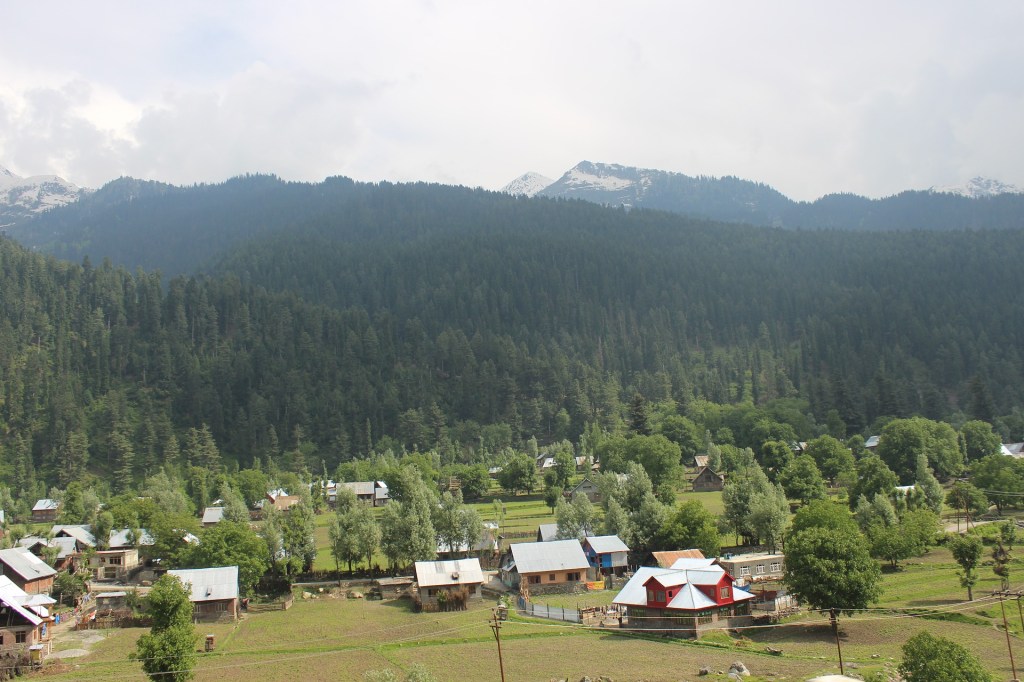
Jammu, southernmost-part of the association region of Jammu and Kashmir and the proper winter capital of the territory of Jammu and Kashmir is situated in the Northern Part of India. A place that is known for stupendous old sanctuaries and delightful castles, Jammu is known as the ‘City of Temples’.

Jammu was managed over by Dogra tradition in the pre-autonomy time. The climate of Jammu isn’t as cool as Srinagar so remember that. You can purchase pecans and handloom from the bazaars in Jammu while you are in the city.

Settled against the background of the snow-topped Pir Panjal Mountains, Jammu frames some portion of the change between the Himalayan range in the north and the dusty fields of Punjab in the south. The Shivalik slopes cut over the zone from the east toward the west while the streams Ravi, Tawi and Chenab carve their way through the district.

Shopping 

Jammu is well known for painstaking work, handlooms and dry organic products. One of the most well known markets in Jammu is Raghunath Bazaar and is based right beside Raghunath mandir. Other than dry organic products, Chocolate barfi and Sund panjeeri are the most sold delights in Jammu. Pahalwan di Hatti and Amritsar di Hatti are two well known shops to purchase the desserts from. A little separation further is Gole Market in Gandhi Nagar, where you can shop present day comforts and electronic devices. Hari Market, Poshish, Raghunath Bazaar, Jain Bazaar, Boota Ram advertise are a portion of the other mainstream bazaars of Jammu.
Restaurants and food

Jammu has a touch all things considered and nourishment societies that comprise Jammu and Kashmir’s food. In this way, it is the menu of this town wherein records down pretty much every nourishment thing that the state is famous from. So the regulars here are Dogra dishes which incorporate Aloo Dum, Rajma, Kashmiri Pulao just as the famous Wazawan and the staple Naan. You will likewise discover chocolate barfi, patisa and various run of the mill North Indian snacks Jammu is additionally spotted by different littler restaurants giving hot parathas and Jammu’s neighborhood cooking.

Here are a portion of the prescribed road nourishment that you should attempt

Kaladi Kulch at Pahalwan di Hatti at Pacca Danga, Old City/Gole Market, Gandhi Nagar/Off National Highway, Bari Brahmana. It is the most incredible and furthermore the most looked for after nourishment in Jammu. Arranged by a sort of cheddar separated from dairy animals’ milk, the appetizing dish is a blend of kaladi (cheddar), kulcha and included flavors.

Kachalu is the most loved nourishment of the individuals in Jammu. It is made with a base of sweet potatoes, ground pepper, bean stew and jamiri (concentrate of lemon). Girdhari Kachaloo Wala situated between Pacca Danga and Kachi Chawni is the most seasoned shop in Jammu and offers mouth-watering tart kachalu.

Attempt the valid Poode arranged in unadulterated desi ghee at Rawal Pindi Sweet Shop at Jain Bazaar.

Investigate somewhat further and take a stab at searching for Banwari Lal’s slow down covered up in the insides of Raghunath Bazaar and evaluate their Dabba Kulcha. It is dish with kulcha buns absorbed rajma sauce and embellished with tamarind chutney and hacked onions and chillies. Tip-Visit before 3 PM else you will end up confronting a vacant slow down.

For mouth-watering Pakode, go to Madan Lal Bansi Lal at Ranbir Library Chowk, Kachi Chawni. It is quite often swarmed with youths having chai and pakode.

The other neighborhood dish of Jammu is Gulgule which is quite adored by the individuals. They are little estimated balls made with chickpeas and presented with ground mooli and imli ki chutney. You can discover it at any stray slows down out and about and every one of them are similarly scrumptious.

You can’t leave Jammu without having a spoonful of Anardana Chutney. It is a blend of anardana seeds, green chillies, salt, mint and coriander. The sublime taste of this chutney can’t be contrasted with some other delicacy on the planet. Presented with cleaved onions, you can give it at any foundation a shot the boulevards.

Best time to visit

September to early March is the best time to visit Jammu. Jammu can be uncannily sweltering throughout the late spring season with temperatures ascending to 45-48 degree celcius. Winters are likewise a perfect time to visit. In this way the old seat of the strong Dogras and a city specked with various sanctuaries is ideal to visit during winter. This is unquestionably the best time to get a look at the ‘paradise on earth’, joined by a flawless chill noticeable all around, traces of snow to a great extent and the scene completely rich. One can likewise visit Jammu during the famous celebrations like Makara Sankranti (January), Ram Navami (March) and Deepavali (October) when the entire town gets soaked in merriments.

Climate in Jammu
Unforgettable Himachal

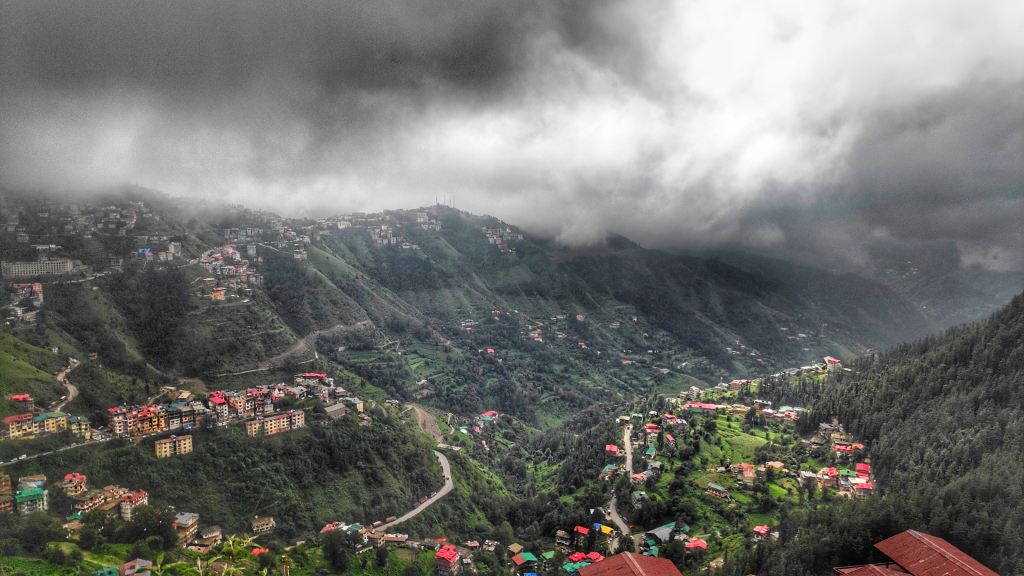
A position of huge magnificence and appeal, Himachal is enriched with clear and quiet lakes, grandiose mountains, antiquated sanctuaries and chipper individuals. Home to probably the best traveler goals like Kullu, Manali, Chamba and Shimla, Himachal is heaven on earth welcoming an attack of vacationers all around the year. The common magnificence of Himachal alongside the slopes and valleys add harmony to your vacation while the journeys make the land divine.

Attributable to the enormous generation of apples, Himachal Pradesh is known as the State of apples. The state is known for its eco-accommodating condition, pleasant common landscape, brilliant culture, experience sports, warm and cordial individuals and an assortment of fairs, celebrations and festivities consistently. McLeod Ganj, the dwelling place the fourteenth Dalai Lama is another most loved recognize an unquestionable requirement visit in the voyager’s heaven. From Hinduism to Christianity and Sikhism, each religion makes certain to locate a home in the “House God”. Aside from strict and otherworldly destinations, Himachal Pradesh additionally has a lot of posts, castles, and cloisters that are of most extreme social and verifiable significance. Shimla, a mainstream get-away goal among Indians, offers a visual treat for history buffs just as experience searchers.

The Romance of Bollywood 

Bollywood has an interest for the beautiful mountains and organic product filled plantations of Himachal Pradesh and has reclassified the idea of sentiment utilizing pleasant mountains and valleys. This has made Himachal Pradesh one of the most famous special first night goals in India. Numerous fanatics of motion pictures additionally come to visit specific areas where acclaimed films like Roja, Jab We Met and Yeh Jawani Hai Deewani were shot. Parkway featuring Alia Bhatt and Randeep Hooda and 3 boneheads were likewise shot in Himachal Pradesh.

Himalayas – The Backbone of Himachal 

The grand Himalayas stand tall in the territory of Himachal which is situated in the Dhauladhar go, one of the mid-Himalayan reaches. The most elevated top in the state is Reo Purgyil at 6816 meters. The Himalayas are a basic part of the economy, topography, culture and public activity of the state. The entirety of the state’s streams start from these mountains and make life conceivable by offering water to the district. The agrarian and water the board rehearses too have created remembering the lifecycle of the mountain and the individuals have figured out how to live nearby the cruel conditions. Numerous celebrations praise the mountain and waterway gods and have become some portion of the Himachali culture.

People

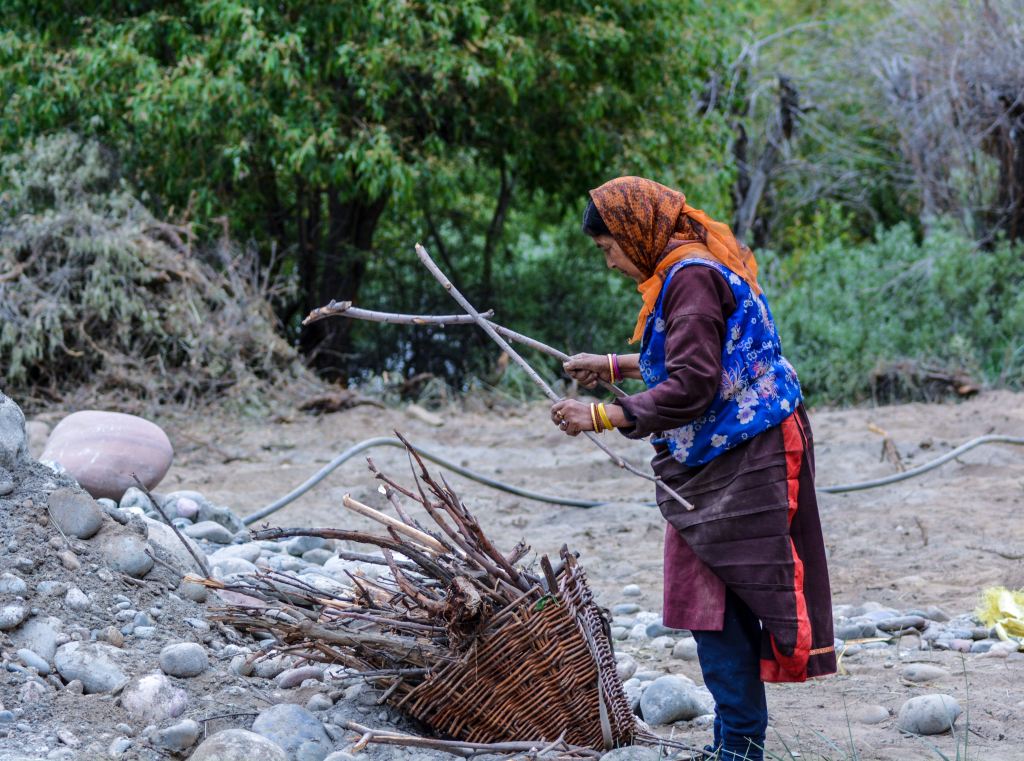
Himachal Pradesh is occupied by semi-itinerant clans like the Gaddis, Gujjars, Kinnars, Lahaulis and Pangwals. The individuals of Himachal, usually known as Himachalis, are warm and inviting and they love to invite sightseers. Ladies of Himachal are persevering as they take a shot at fields and oversee family unit as well. Their genuineness and sensible nature improve their excellence and appeal. The greater part of the individuals who live in Himachal Pradesh have farmlands and keep an eye on their harvests and cows. Hindi is the official language of the state. Aside from Hindi, individuals additionally communicate in Pahari dialects, Punjabi, Kangri, Dogri and Kinnauri. Pahari dialects are Indo-Aryan dialects that have been gotten from Sanskrit and Prakrit. More than 95 percent of the individuals in Himachal Pradesh follow Hinduism. Other unmistakable religions in Himachal Pradesh incorporate Islam, Buddhism and Sikhism. A great many people living in the trans-Himalayan zones, for example, Lahaul and Spiti, Kinnaur and Kullu follow Buddhism. Himachalis commend fairs and celebrations during the time with move and music.

The Quaint Little French Beach Town

Paradise Beach, Pondicherry

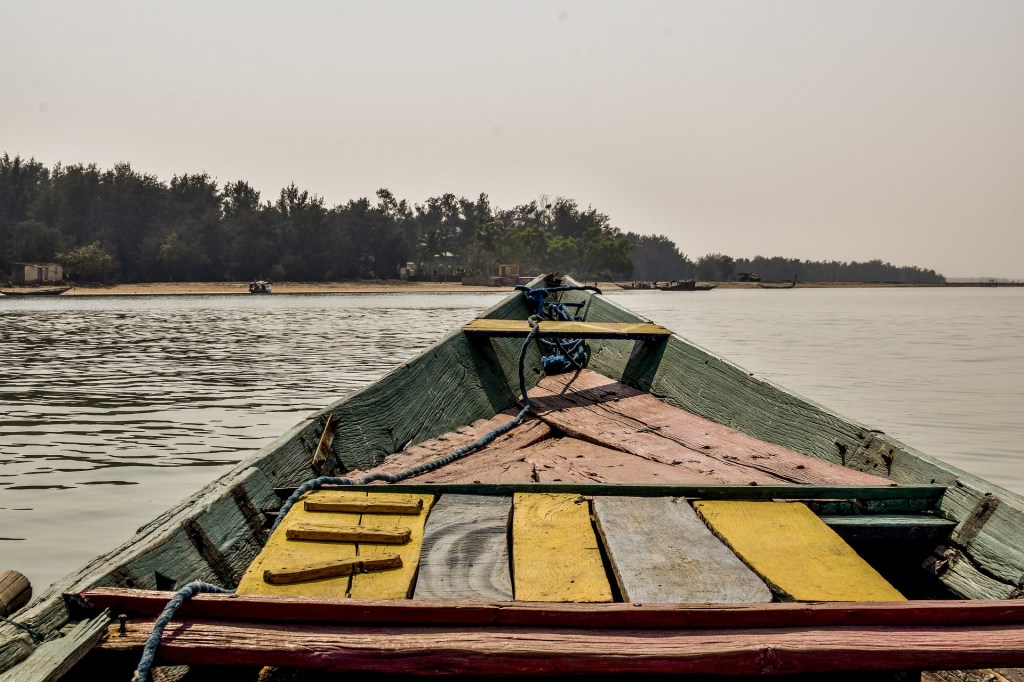
On the off chance that you might want to investigate the wild of Lansdowne, many visit administrators compose wilderness safaris into the core of the woods where you can get a look at HimalaParadise Beach, otherwise called Plage Paradiso, is arranged in Chunnambar, near Pondicherry town. Decorated with the brilliant sand, this renowned and exceptionally looked for after sea shore is continually influencing in a cool ocean breeze. This is a little-disconnected sea shore, and to reach here, you need to take a ship over the backwaters, which takes around 20-30 minutes. The sand of the heaven sea shore is remarkably delicate and grainy – and a stroll along the whole sea shore is fabulous.

Some portion of the enjoyment in arriving at the sea shore is the wonderful ship from the boat shelter – the backwaters while in transit to the sea shore are green and have thick mangrove woodlands. Particularly after the storms, the backwaters are crisp and green. You can detect a ton of winged animals while on the ride – and photography devotees would savor the chance to get some incredible photographs here.

The flows in the water are high, so it is fitting to not dive deep in the water. There are a couple of shacks along the fundamental access to the sea shore, and you can get new coconut water and some straightforward tidbits – don’t anticipate any extravagant road nourishment however. Heaven sea shore is an incredible spot to arrive at early morning and get a perspective on the dawn on the eastern coast. You can go through hours sitting on the sea shore and getting a charge out of the waves. An assortment of water sports offices are accessible here too – eager vacationers can attempt a hand at angling as angling poles and nets are effectively accessible for rent.yan wild creatures in their characteristic natural surroundings.

Best time visit

The best time to visit heaven sea shore for these exercises is November to March in the winter season. The withdrawing rainstorm infrequently acquires substantial downpour to the territory October and November and it is ideal to evade an excursion to Pondicherry as of now.

Water Sports at Paradise Beach

You can go through hours sitting on the sea shore and getting a charge out of the waves, or on the off chance that you are brave, a couple of water sports are additionally can be investigated. You can go fly skiing, paddling or kayaking from Paradise sea shore. These exercises may not generally be accessible as it relies upon the idea of the ocean upon the arrival of your visit. The water is very somewhere down in the zone so appropriate security safety measures must be taken while setting out on a vessel. You can likewise wander into the water in the more shallow regions and chill.

Tips for visiting

. Convey an extra difference in garments on the off chance that you intend to swim. Swimming is allowed just near the shore.

  1. Since legitimate nourishment is elusive on the heaven sea shore, it is smarter to convey nourishment and water on the off chance that you feel it may be fundamental. Be wary while discarding plastics and waste on the sea shore.

A Majestic Fort City

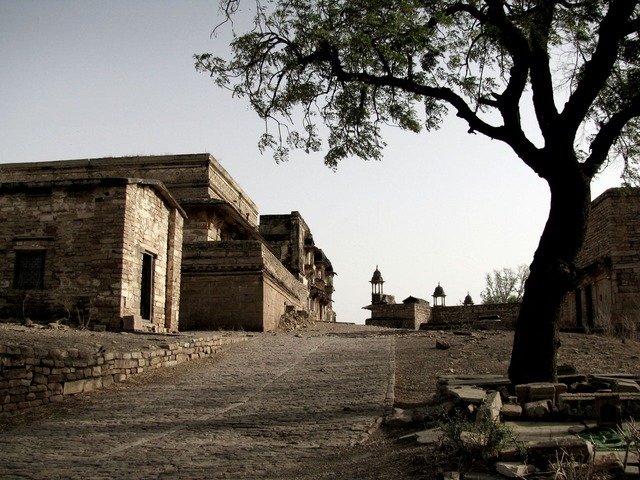
Alluded to as ‘the pearl among posts in India’ by Mughal head Babur, the Gwalior Fort is one of the most invulnerable strongholds situated in the whole northern and southern India and is a spot you certainly should visit. Arranged on the highest point of a tremendous rough mountain close Gwalior in Madhya Pradesh in focal India, this impressive structure overwhelms the whole city of Gwalior. An indistinguishable piece of the character and design of the city, proof recommends that it has been around since sixth Century. It is additionally the spots where the second most seasoned reference of the number ‘zero’ has been found as a cutting inside a sanctuary on the highest point of the post.

The development of the Gwalior Fort occurred in two sections, in two distinctive timeframes and hence, this design wonder has a captivating history appended to it. It has gone from the ownership of one administration to the next, on different occasions. The whole fortification complex is very much kept up and incorporates sanctuaries, water tanks and castles, for example, Man Mandir, the Gujari, the Jahangir, the Karan, and the Shah Jahan.

Light and Sound Show

The Gwalior Fort has a fantastic sound and light show each night. This show is amazingly top notch and makes you feel as though you are a piece of the rich history of the fortress and the romantic tale of Raja Man Singh and his sovereign Mrignayani.

The show happens in the amphitheater at the Man Mandir. The timings for the show are as per the following:

Hindi Show: 7:30 PM

English Show: 8:30 PM

Timing and entry fee

The Gwalior Fort is open on all days from 6:00 AM to 5:30 PM

The section expense for the stronghold is as per the following:

Indians: INR 75 for every individual

Outsiders: INR 250 for every individual

For youngsters: Free section for kids underneath 15 years old

Camera Fee: None

Best time to visit

The best time to visit the Gwalior Fort is during the fall and spring season, that is among October and March. One can likewise appreciate the visit during the hour of rainstorm when the encompassing is verdant green, and the air is new and fresh.

Architecture 

Encompassed by solid dividers of sandstone, the Gwalior Fort encases three sanctuaries, six royal residences and a few water tanks, and is really a design wonder. The various castles and sanctuaries are an impression of the compositional luxury and aptitude that existed during those occasions and keeps on being acknowledged till date.

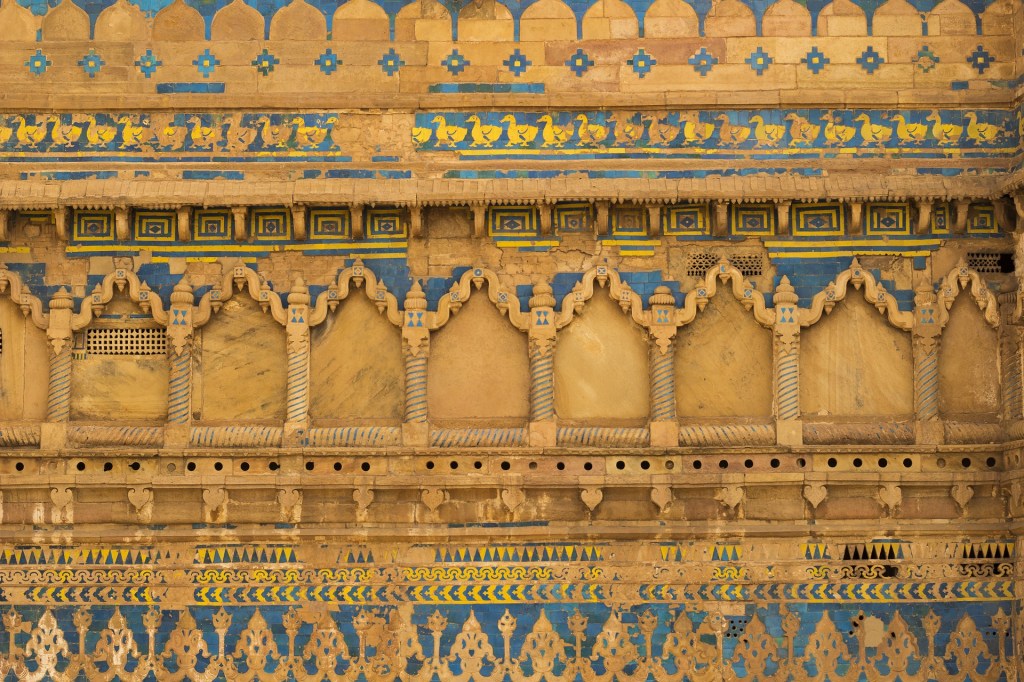
The most lovely spot in the whole premises is no uncertainty the Man Mandir Palace, which with its incredibly intricate structure, appears to hang at the edge of the striking fortification. Blue earthenware tiles structure the veneer of this amazingly delightful royal residence. The Teli-ka-Mandir, worked in the ninth century Dravidian style, ascends to a stature of more than 100 feet and is renowned for its mix of South Indian design with North Indian ornamental themes, just as a flawlessly etched outside. The Saas-Bahu sanctuaries on the eastern side of the stronghold are additionally overwhelming instances of the eleventh century sanctuary design.

The Soul of Incredible India

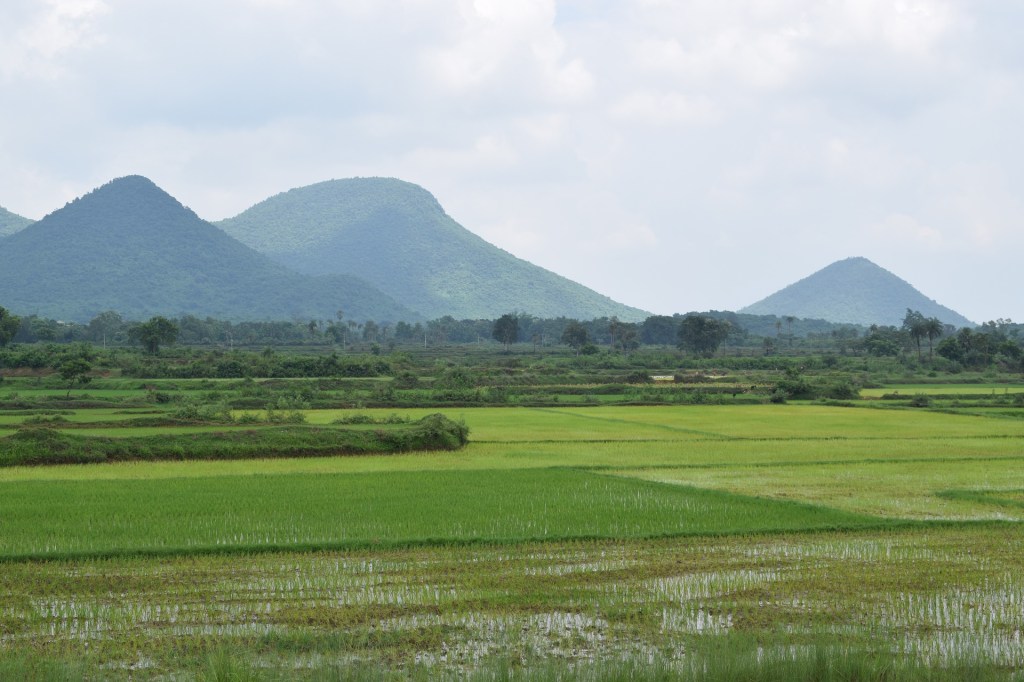
Odisha-the place that is known for paddy fields and palm-bordered silver sea shores, sanctuaries, streams, cascades and inborn individuals, is loaded up with significant attractions, for example, the sanctuaries of Bhubaneshwar and Puri, miles of clean sea shores and the grand Sun Temple of Konark.

Odisha, the state with a magnificent history, is loaded up with nature and experience. Possessed by ancestral individuals, the not really created province of Odisha must be visited to have the experience of the heap ponders it has available for everyone. Otherwise called the spirit of India, Odisha is where you can unwind on the sea shores, visit the well known sanctuaries and investigate the magnificence and abundance of nature and untamed life. You can likewise discover different landmarks which brilliantly remain to help you to remember the historical backdrop of the land. Odisha’s craft and culture, fairs and celebrations, moves and music are a treat for the visitors who love to see hues and wish to appreciate life without limit. Visit the spirit territory of India and return with a sack loaded with recollections that will stay carved in your brain for quite a while

Traditional Dresses of Odisha

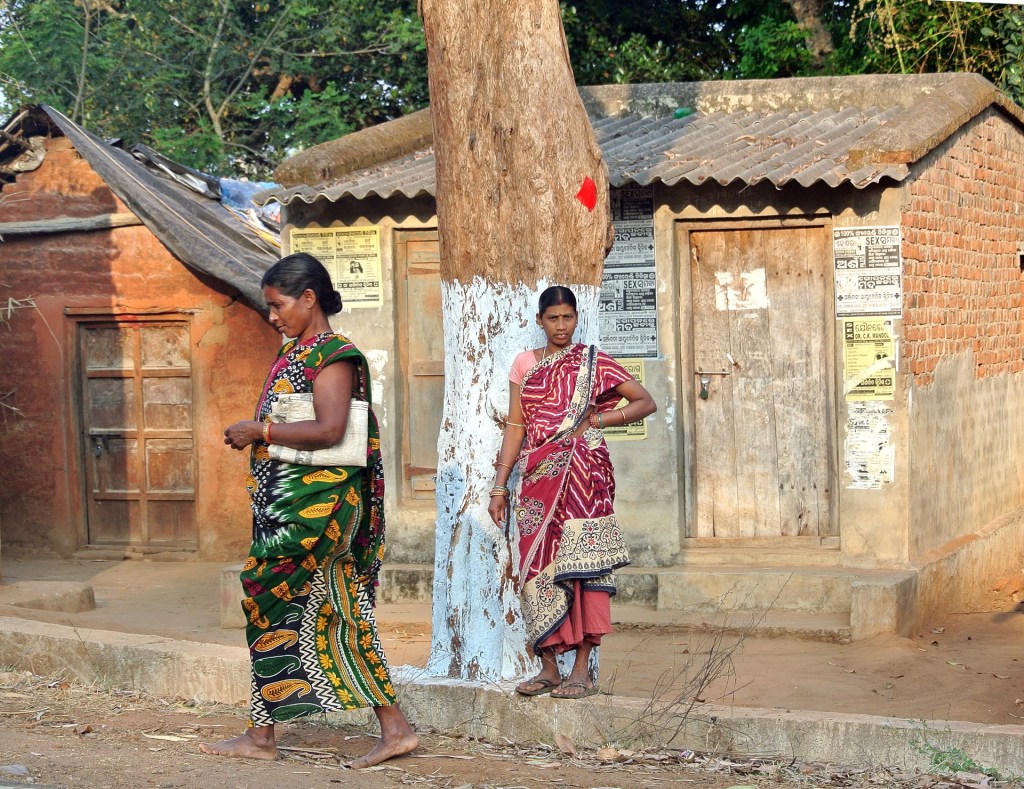
Ladies love to brandish various kinds of saris, particularly during celebrations. Salwaar Kameez is favored by females on standard days. The state is renowned for Kataki Sari and Sambalpuri Sari. Western clothing is likewise getting famous among the more current age. For men, dhoti-kurta or gumcha is generally regular during celebrations. With regards to gems, Tarakasi is a kind of silver Filigree work from Cuttack, a city in eastern Odisha. This artistic expression is over 500 years of age, and the adornments things that are produced using this are neckbands, nose pins, anklets, bangles and numerous others.

People Of Odish

Oriya is the essential language spoken in this state, however the individuals additionally use Munda and Dravidian dialects. Hindi and English are likewise comprehended and spoken in the greater towns of the state. While most of the populace here follows Hinduism, there are professionals of Islam too. Orissa doesn’t slack with regards to craftsmanship and specialty as the state’s wall paintings, material and palm leaf works of art are exceptionally famous alongside the antiquated figures. Odissi is the conventional move type of Orissa while other move structures incorporate Chhau Dance, Danda Dance, Ghoomra Dance, Animal Mask Dance, Kathi Dance, Kedu Dance, Ranapa Dance, Paika Dance, and different Tribal Dances. There are additionally a few dramatic exhibitions like Daskathia, Pala, and the carnival like Baunsa Rani that structure a natural piece of country/innate Orissa. Silver filigree, privately called Tarakasi is the one of a kind and the best of the considerable number of handiworks of Orissa while Dhokra or metal and chime metal art is maybe the most basic art. Sambalpur, Berhampur, Cuttack, Nuapatna and Mayurbhanj are a portion of the fundamental handloom focuses as Orissa delivers a wide assortment of textures.

The artistic expressions and specialties of the state feature the excellence and refined abilities of craftsmans. A portion of these are-Stone Carvings-In every one of the sanctuaries and landmarks, the craft of cutting in stone has encouraged Odisha to draw in visitors from everywhere throughout the world. Complex structures and examples cut on different sorts of stone can be found in the landmarks of Odisha. Pattachitra-It is one of the conventional artistic expressions of Odisha. Canvases dependent on Hindu folklore are made on high quality sheets, and normal hues are utilized. Raghurajpur Artists town in Puri is exceptionally prestigious for this fine art. Sand Art or cutting of stone carvers on sand is broadly well known in the state. Silver filigree or Tarakasi is another work of art through which gems things are made, yet handiworks are additionally structured. Applique work started as a sanctuary workmanship. The craftsmans of Pipli have their authority in applique workmanship. Shaded garments are sewed in different shapes. Other fine arts and specialties incorporate metal and dhokra works, paper mache, tassar patta and coir make.

Golden Temple in Amritsar

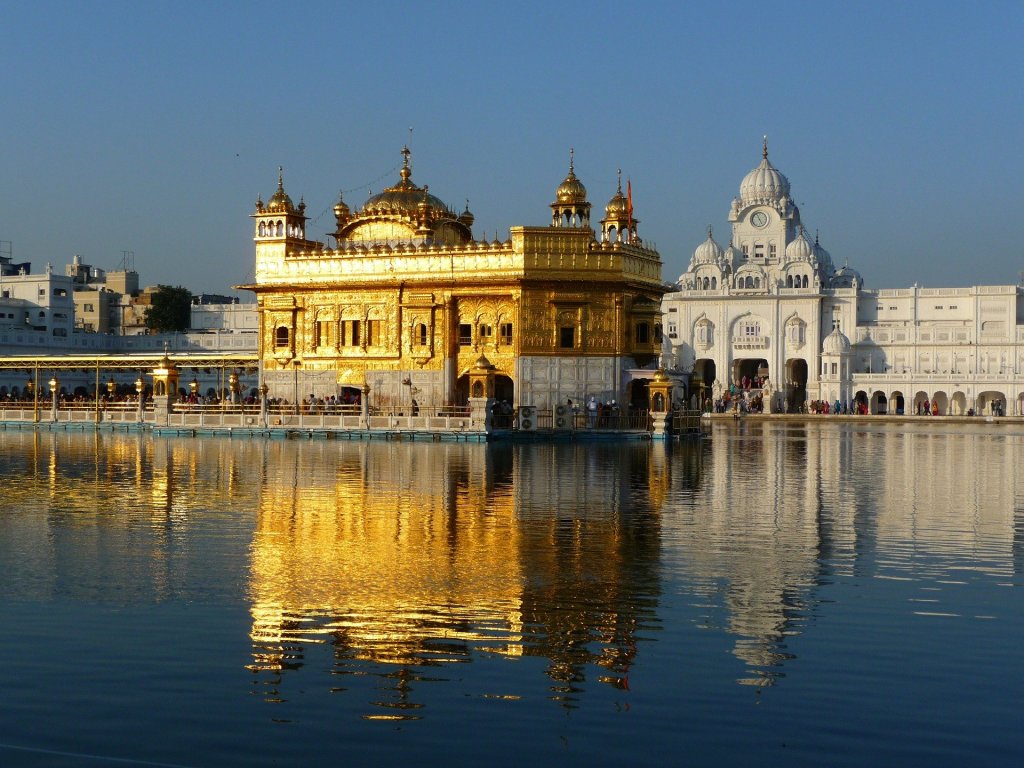
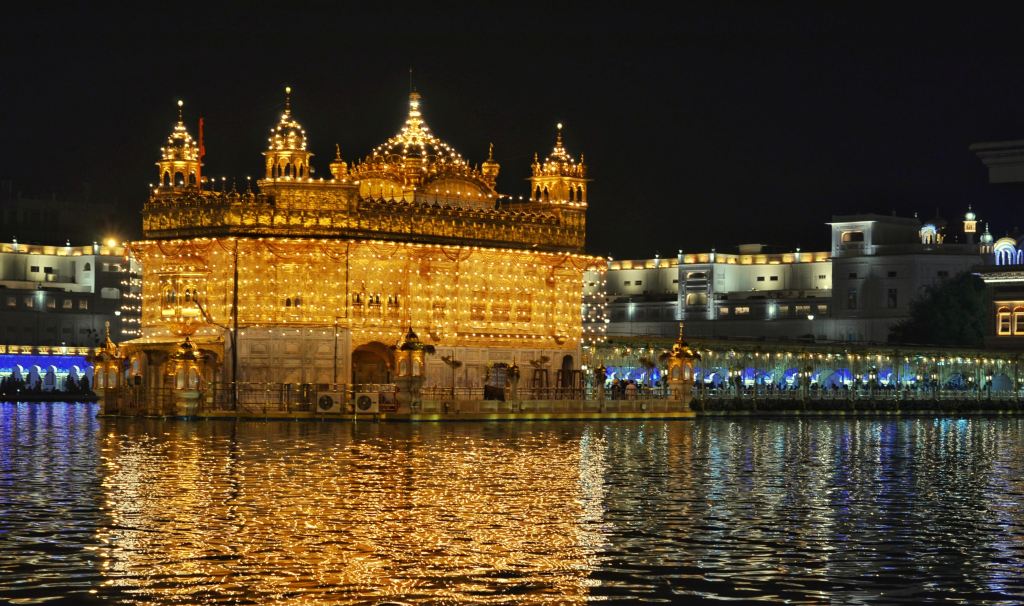
One of the most profound places in India, Golden Temple, otherwise called Sri Harmandir Sahib, is the holiest sanctums in Sikhism and is bursting at the seams with strict intensity and holiness. Its heavenliness is a thing that must be experienced and not portrayed. Subsequent to experiencing a wild time of tear-downs, it was modified by Maharaja Ranjit Singh in 1830 absolutely with marble and gold. It is the perspective on the shining holy place, shimmering in the focal point of the tank that brings a vast tranquility. It is found right in the core of Amritsar and is effectively reachable from any piece of the city. Filling in as an image of fellowship and uniformity, Golden Temple is visited by individuals from everywhere throughout the world who come here to look for otherworldly comfort and strict satisfaction. Disregarding the a huge number of individuals processing about in the premises of the sanctuary, the main voice you will hear around you is quietness sprinkled with serenades of the Sikh petitions.

Situated in the lovely city of Amritsar, Golden Temple is only a little piece of the huge complex known as Harmandir Sahib or Darbar Sahib to the Sikhs. The profound center is the tank, the Amrit Sarovar, which encompasses the shimmering focal hallowed place. Amritsar takes its name from this Amrit Sarovar which was unearthed in 1577 by the fourth Sikh master, Guru Ram Das.

Around the edge of the compound, there are more hallowed places and landmarks. The Sikh Museum is situated inside the principle entrance clock tower which shows the persecution suffered by the Sikhs on account of the Mughals, the British and the Indian Government of 1984. The Ramgarhia Bunga is a defensive post situated at the southeast finish of the tank and is encompassed by two Islamic-style minarets. Brilliant Temple is unquestionably one of the most impeccable attractions on the planet.

Architecture of Golden Temple

The Golden Temple is a hypnotizing mix of Hindu and Islamic design styles and has all the earmarks of being gliding toward the finish of a long highway. It has a rich marble lower level decorated with creature and blossom themes in pietra dura work, which is likewise observed on the Taj Mahal. Over this is the sparkling second level, encompassed in unpredictably cut gold boards, beat by a 750 kg gold overlaid vault. The glimmering inward sanctum sees the clerics and the artists constantly reciting the Guru Granth Sahib, heaping on to the effectively exceptional strict climate. In the wake of paying regard, travelers for the most part retreat to the subsequent floor, which has the complicatedly painted exhibition. The Hari Mandir (focal sanctuary) is associated with the pathway by a marble thoroughfare which is known as Guru’s Bridge. This way symbolizes the adventure of the spirit in the afterlife. Grasped by marble stairways, this tank is accepted to have recuperating powers that can fix numerous maladies.

Celebrations at Golden Temple

One of the most significant celebrations celebrated at the Golden Temple is Vaisakhi in the second seven day stretch of April (generally the thirteenth April). This celebration is commended to recognize the establishing of the Khalsa. Different celebrations saw with extraordinary strict devotion are the birthday of Sikh author Guru Nanak, the birth commemoration of Guru Ram Das, affliction day of Guru Teg Bahadur, and so on. The Harmandir Sahib is splendidly enlightened with lights and diyas on Diwali alongside the firecrackers show. The sanctuary is visited by most Sikhs at any rate once during their lifetime.

Structures inside

  1. Akal Takht and Teja Singh Samundri Hall: Akal Takht, signifying “The position of royalty of the Timeless (God)” stands directly before the principle sanctum. Built up by Guru Hargobind after his dad Guru Arjan, the spot came to be known for its stately, otherworldly just as mainstream undertakings. While the Akal Takht in the complex of the Golden Temple is the essential seat and boss authority of Sikhism, there are 4 more Takhts spread crosswise over Anandpur, Patna, Nanded and Talwandi Sabo, which are all significant journey destinations for Sikhism.
  2. Clock Tower: While the clock tower didn’t exist in the first development of the sanctuary, the Clock Tower worked by the British stands in the spot of the “lost royal residence”. In the Second Anglo-Sikh War, the British obliterated a piece of the structure and included a clock tower. Structured by John Gordon, the Clock Tower was worked in the year 1874 yet was later wrecked by the Sikhs, after 70 years. Directly, there is another passage to the sanctuary which has a clock to its north and a gallery on its first floor, yet individuals still allude to it as ghanta ghar deori.
  3. Ber Trees: Originally, the complex of the Golden Temple was open and housed various trees around the pool. Presently, the sanctuary premises has a two story patio with four passages and 3 Ber (jujube) trees. The first is known as the Ber Baba Buddha and is situated to one side of the ghanta ghar deori. The tree gets its name from Baba Buddha who sat under this tree while administering the development of the principal sanctuary and the pool. The subsequent tree called the Laachi Ber is accepted to be the tree under which Guru Arjan took rest while the development of the sanctuary was occurring. The third tree, Dukh Bhanjani Bher is situated over the pool, on the opposite side of the sanctum. As per the Sikh custom, a Sikh was relieved of his uncleanliness after he took a dunk in the waters of the sanctuary pool, giving the tree the name of “enduring remover”. There is a little gurudwara under this tree.
  4. Sikh History Museums: The principle ghanta ghar deori houses a Sikh exhibition hall on its first floor which shows the different artworks of the Gurus just as the saints. Things, for example, swords, kartar, brushes, chakkars put away in the exhibition hall delineate the Sikh history in the entirety of its greatness.

visiting tips

  1. Take off your shoes and socks before entering the sanctuary compound (there is shoe remain at the passageway). Wash your feet in the shallow foot showers found close by.
  2. Dress suitably. The body must be completely secured, and you have to cover your head which is an indication of regard in the gurudwara. Scarves can be obtained for nothing out of pocket or purchased from the vendors who sell trinket scarves for INR 10. Be that as it may, it is reasonable to convey a scarf with you.
  3. Tobacco and liquor are carefully precluded.
  4. On the off chance that you wish to sit next to the tank, sit leg over leg and don’t plunge your feet in the water.
  5. Photography is allowed close to the walkway encompassing the tank yet not inside the Golden Temple itself.
  6. While tuning in to Gurbani, sit on the ground in the Darbar Sahib as an indication of respect.

A magnificent past and an early metropolitan dream

Once known as Madras, Chennai is the capital city of the province of Tamil Nadu, in the southern piece of India. Situated on the Coromandel bank of Bay of Bengal, Chennai is as powerful as it is submerged in convention. This ‘capital of the south’, is one among the four metropolitan kin of India, having a rich social history which it consummately offsets with its city way of life.

In the midst of its turmoil of traffic and sweltering muggy atmosphere, Chennai merits visiting for its sanctuaries saturated with south-Indian culture, British-time historical centers and landmarks, culinary joys and Marina Beach (Second biggest urban sea shore on the planet). Chennai’s horizon is acclaimed for its transcending high rises, however the core of Chennai has an old-world appeal to it that won’t be eclipsed.

One of the most visited Indian urban areas by remote travelers, Chennai houses just about 2467 legacy structures inside the metropolitan region – most elevated inside any city limit in the nation. The Mylapore and Triplicane regions are celebrated for their excellent, peaceful sanctuaries and scrumptious cooking, while North Chennai territories like Sowcarpet are spotted with shops selling all things everywhere, including garments, bikes, nourishment and electronic things.

Remnants of the British guideline like the shocking Madras University and Queen Mary’s College, the Ripon Building and the galleries are stunning instances of the Indo-Saracenic style of design that the metropolitan is known for. The cutting edge city of Chennai – a humming city of heavenly sea shores, landmarks remaining as a demonstration of the time, and the individuals who have safeguarded age-old customs – makes certain to sneak its way into your souls.

Nightlife in Chennai

In spite of being a metropolitan, Chennai’s nightlife isn’t as occurring as you would anticipate that it should be. Despite the fact that the nightlife scene has been improving in the ongoing years, yet a large portion of the bars and bars just direct in very good quality lodgings because of certain guidelines. The bars and bars are disallowed from managing after 12 PM. A portion of the mid-extend inns likewise have drinking room where you can make some pleasant memories. A portion of the celebrated bars and dance club in Chennai are The Westminster, Zara’s 10 Downing Street, The Leather Bar, Pasha and Elixir. Try to dress perfectly as a large portion of these spots have an exacting clothing standard.

Best time to visit

Being one among the most famous strict capital urban communities in India, Chennai is a significant group puller for its antiquated culture and workmanship. Its topographical area on the lovely coastline for the most part keeps the city’s climate hot and sticky. Consequently, the best time to visit Chennai is the pre-storm and the winter season, for example among October and February. This time is considered as the best time to investigate the metropolitan city as summers are burning and rainstorm bring heavy storms and violent winds.

Tips for visiting thi place

Day 1 – Reach Chennai before dawn. Start your visit South-Indian style by having Chennai’s renowned idlis, vadas, and dosas at one of the famous cafés like Sangeetha’s or Murugan Idli shop. Group it up with a glass of steaming hot channel espresso. Next, head out to Mylapore to get a kind of customary Tamil culture which incorporates the well known Kapaleshwara sanctuary, and shops selling neighborhood antiquities and adornments. At night, visit the clamoring Marina sea shore and maybe even catch a neighborhood execution or play in case you’re fortunate, notwithstanding the excellent dusk!

Day 2 – Take a day excursion to Dakshinchitra exhibition hall, situated around 25 km toward the south of Chennai city. After a beautiful ride along the ECR coast, revel in the exhibition hall’s depiction of South Indian culture, craftsmanship, and art. Further, investigate some neighborhood South Indian cooking for supper at eateries in Alwarpet or Adyar.

Day 3 – Devote this day to fulfill your shopping yearnings by visiting a portion of the city’s well known shopping territories like T. Nagar and Pondy Bazar, where you can discover conventional Kancheevaram silk and other nearby treats. For a casual evening and night, take a ride through Guindy National Park, and look at the Government Museum and the Birla Planetarium. On the off chance that time allows, a walk around IIT Madras would offer you looks at deer and peacocks in the midst of the lavish green foliage of the grounds. End your excursion with an encounter of Chennai’s nightlife at Besant Nagar sea shore with a supper and drink at one of the dazzling cafés there like BOATs (Based On A True Story).

Backwaters, Beaches and Lagoons – Venice of the East

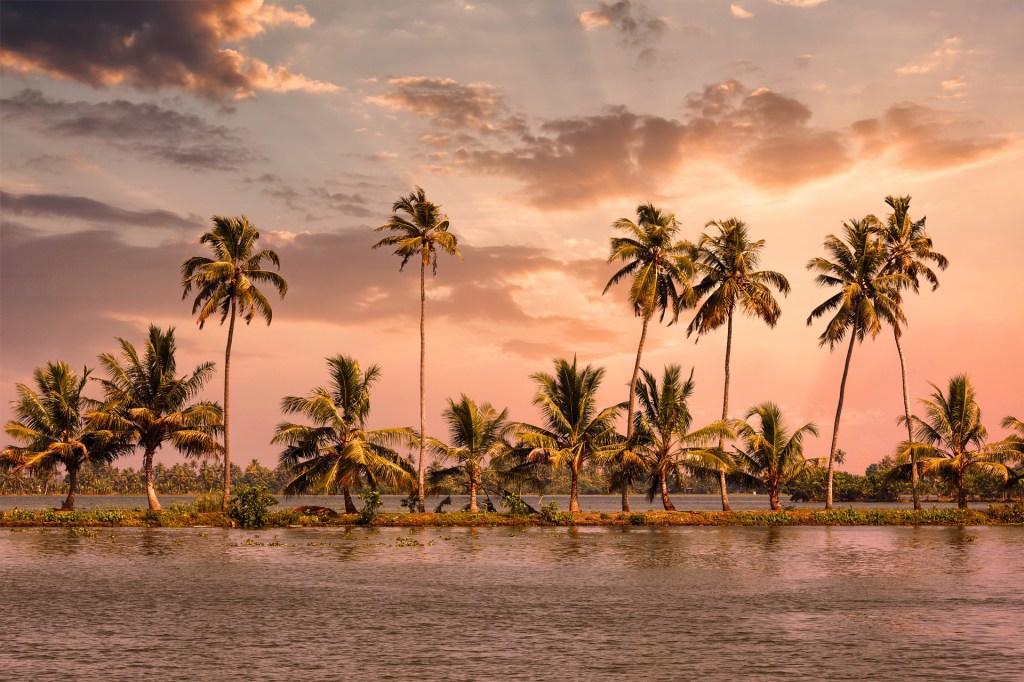
Formally called Alappuzha, Alleppey is a city in the South Indian territory of Kerala. Circumscribing the Laccadive Sea, it is known for its wide system of interlinking, palm-bordered waterways called backwaters and reviving Ayurvedic resorts.

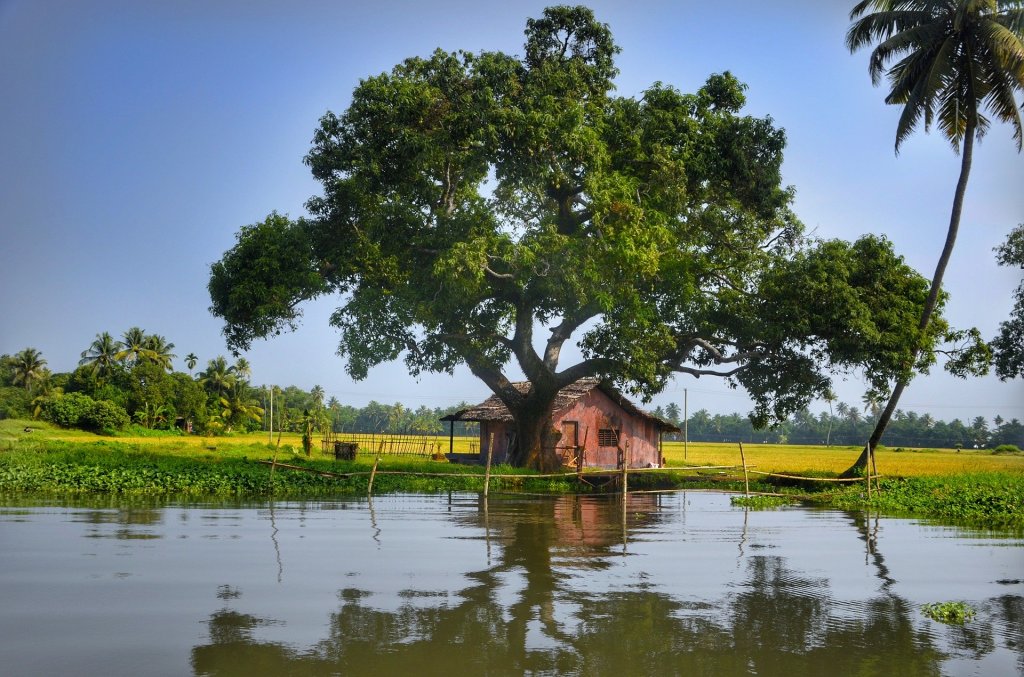
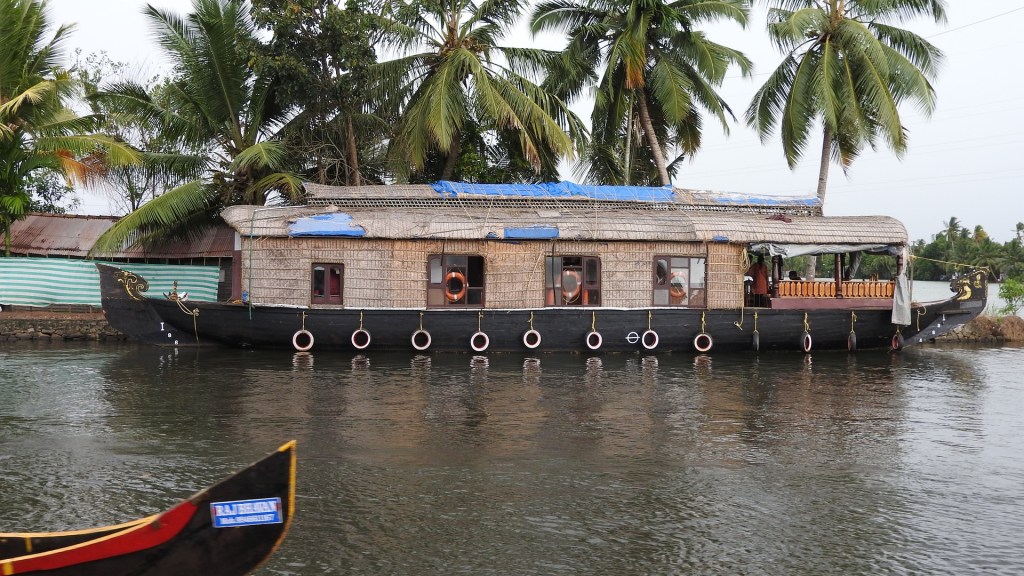
Allepey is likewise famous for its Houseboat travels that go through the quiet backwaters, where you can get looks at green paddy fields, ensemble making exercises, excellent avifauna and witness the life of local people in Kerala. Towards the shore lies the Alleppey sea shore in the Arabian Sea, a lovely case of the diamonds you’d find along the Malabar Coast. The intrigue of this sea shore is just intensified by the history appended to it, and a stroll down the 137-year old wharf is an unquestionable requirement. Make certain to get a customary snake pontoon race in the long periods of August and September and evaluate some flavor (palm wine) at a nearby hard stuff look for adding a dash of credibility to your movement involvement with Allepey.

Venice of the East

One of the cleanest and the most seasoned arranged towns in India, Alleppey is a pleasant waterfront enchant, with backwaters, tidal ponds, trenches, sea shores trimming the city like nothing else. No big surprise why Alleppey was nicknamed ‘Venice of the East’, incidentally by the most famous Viceroy of India, Lord Curzon. Other than this, Alleppey is incredibly celebrated for its snake vessel races, which happen in the rainstorm season. Alleppey’s backwaters are the most famous goal in Kerala. Different spots of enthusiasm for Alleppey will be Alleppey Beach, which offers a stunning perspective on Laccadive Sea, Krishnapuram Palace, St. Andrew’s Basilica, and Haripada Sri Subrahmanya Swamy Temple.

Paddy Cultivation in Backwaters 

The backwaters of Alleppey is home to Kuttanad, frequently called The Rice Bowl of Kerala. Navigating through a houseboat in this district offers a wonderful green kaleidoscope of rich paddy fields, mixed with coconut trees. The paddy is developed on gigantic territories of recovered land from the Vembanad lake. The recovery occurred more than three stages, beginning from 1865 to 1940. These recovered territories are called Padsekharam. At first, the recovering was done physically with water wheels, and later with steam motors. The paddy fields are depleted by 4 significant streams – Pampa, Meenachil, Achankovil and Manimala. Theories have asserted that it is the main territory on the planet where cultivating is done up to 2 meters beneath ocean level.

Tips for visit this place

Day 1 – Reach Alleppey, ideally by early afternoon, and take some rest. At night, you can take a walk around the well known markets of Alleppey, principally Mulakkal, where you can get a few gifts, particularly stuff like coir sacks, mats and so forth separated from the local flavors for yourself.

Day 2 – The following day ought to be reserved for a little while to the renowned Nehru Trophy Boat Race, if the meeting time is in rainstorm, or there will be consequences, go for the great Krishnapuram Palace. Consequently, you can take a cruiser or houseboat to the backwaters of Alleppey.

Day 3 – The last day can begin with a dazzling perspective on the ocean at Alleppey sea shore. Situated about an hour away, is the Kumarakoram Bird Sanctuary, which has a stunning scope of winged animals.

Best time to visit

The best time to visit Alleppey is among October and February when the temperature is moderate (around 33°C), making it an ideal time to investigate the city. Alleppey encounters storms among June and September. It isn’t prudent to visitors, however the storm sweethearts and the strange explorers can think about visiting in June. The town gets light precipitation every so often that brings the mercury level down enabling travelers to investigate the attractions. Yet, as the season advances, the locale gets heavy downpour, making it an inadmissible goal for voyagers. Summers are likewise not prescribed for the outrageous warmth that hits the locale as the temperature can go as high as 40°C closing all the open air exercises.

Great Rann of Kutch

The Great Rann of Kutch, an enormous territory of salt marshland, is situated in the District of Kutch, in the western province of India, Gujarat. The immense span is arranged in the Thar Desert and is framed of salt bogs which make a hypnotizing view that pulls in voyagers from everywhere throughout the world. Nightfalls at the Great Rann of Kutch are a treat to the eyes in the wake of investigating the locale. Watching the moon on a full moon night in the dazzling surroundings of the Great Rann of Kutch will make you have an inclination that you are on an alternate planet out and out.

The district has been so renowned for its characteristic magnificence that it was highlighted in various movies in India, for instance – Refugee, Magadheera, Goliyon Ki Raasleela Raamleela, Sarainodu and so forth. It has additionally been referenced in a few books including the Booker Prize-Winning Novel, Midnight’s Children, composed by Salman Rushdie. The name, Great Rann of Kutch, was gotten from “Rann” which means desert in Hindi and the region it is situated in. It is considered as one of the biggest salt deserts in the whole world.

The area is separated into two sections, the Great Rann of Kutch and Little Rann of Kutch and includes enormous stores of salt in the desert making. These stores are known for creating a delusion, and numerous travelers have shared tales about seeing optical fantasy that appear on a par with genuine. The delightful Rann of Kutch is an enormous overflowed field zone in India, and has desert on one side and the Arabian Sea on the other that enables the biological system to flourish in the extraordinary climatic states of Kutch. The pleasant area of the Great Rann of Kutch is welcoming, and this fascination must be remembered for each explorer’s can list this year.

Rann of Kutch Utsav

The Rann Utsav is a lively festival of life and shades of the delightful and rich culture of Kutch and Gujarat. The celebration is commended amidst the charming Rann of Kutch with customary music, move and finger licking great Gujarati food. It is a three-month-long occasion and many arrangement family occasions during an opportunity to encounter and appreciate the vivacious festivals of Kutch.

A medium-term stay is enthusiastically suggested as the visuals of the Rann of Kutch particularly during full moon evenings can’t be found in some other piece of the world. The day times have an assortment of shading sprinkled on the infertile grounds and offer guests a magnificent chance to encounter the various conventions, the liberality and cordiality of Kutchi individuals.

Geography of Great Rann of Kutch

The salt walk of the Great Rann of Kutch is situated in the Thar Desert of the region of Kutch, in Gujarat. A piece of this Rann lies in India and some bit in the Sindh region of Pakistan. In India, it possesses a zone of more than 7500 square kilometers making it one of the biggest salt deserts on the planet. The Rann is isolated into two sections, the Great and the Little Rann of Kutch and has the Banni Grasslands to its south.

It lies between the Gulf of Kutch and the Indus River in Pakistan and includes flatlands of salty dirt situated around 15 meters above ocean level. These flatlands were at one time a piece of the Arabian Seabed however because of a constant topographical elevate of the district, the land was disengaged from the ocean leaving a colossal lake. The Rivers Luni and West Banas channel into the Thar Desert from North-East while the River Rupen channels from the east. The natural life asylum on the sandy islets of the district is home to an assortment of winged creatures like Flamingos, Common Teal, Pelicans, Ducks and Sarus Cranes.

Best time to visit

The best time to Visit the Great Rann of Kutch is among October and March as the climate is lovely to investigate the outside.

visiting tips of Great Rann of Kutch

  1. There is arrangement to leave vehicles at a little good ways from the Great Rann of Kutch.
  2. Do convey verification of character to pass registration with no problems.
  3. Vehicles are not permitted past the BSF registration.
  4. The region is classified delicate because of its closeness to Pakistan and henceforth is heavily influenced by the Indian Army. Try not to let that stall you; they don’t meddle as long as you are simply having a great time investigating the regular magnificence of the area.
  5. Try not to litter.
  6. Avoid potential risk on the off chance that you have any cuts or rashes. Since this is a salt desert, you may encounter consuming sensation.
  7. A few pieces of the desert may be wet, so track cautiously.
  8. Wear legitimate footwear as it will in general get heavier by salt adhering to it.
Design a site like this with WordPress.com
Get started